


Written by: Bryan Grobstein, Vice President, Global Revenue, AnyRoad | Last updated: October 20, 2026
Key Takeaways
- Bottle club loyalty software needs differ sharply by club type. Distillery brand homes require compliant retail-partner transactions and on-site enrollment coaching, while retail liquor stores need POS-integrated points programs.
- AnyRoad is purpose-built for spirits brands. It converts tasting-room visits into paid club enrollments at four times the rate of traditional channels and increases member spend 150% in the first year.
- Churn peaks around the sixth release because members sit on undepleted allocations. Product-centered programming such as virtual cocktail classes keeps members engaged and reduces skips or cancellations.
- Most buying mistakes occur when operators evaluate retail POS loyalty tools against brand-home club requirements. These are two structurally different jobs that demand different compliance paths and retention mechanics.
- AnyRoad delivers a full managed service that includes a compliant transaction path, enrollment coaching, retention programming, and optional CRM. This model replaces the fragmented stack and internal headcount otherwise required.
What Bottle Club Loyalty Software Actually Does
Bottle club loyalty software enrolls consumers into a recurring bottle club or membership, carries the compliant transaction, and manages member communications and retention between releases.
Bottle Club Loyalty Software By Club Type: Four Segments, Four Different Jobs
The table below maps each club type to what the club actually is and what the software must handle. Read it left to right: the middle column defines the job, and the right column lists the capabilities the software needs to deliver that job.
| Club Type | What the Club Actually Is | What the Software Must Do |
|---|---|---|
| Distillery Brand Home | A recurring allocation club sold to visitors of a spirits producer's tasting room or brand home | Carry a compliant transaction through a licensed retailer, convert on-site visits into enrollments, manage release cadence and member retention |
| Retail Liquor Store | A points-based or subscription loyalty program tied to in-store purchases | Integrate with POS, track purchase history, send SMS promotions, enroll customers at checkout |
| Winery | A recurring wine shipment club sourced from the winery's own production | Manage DTC shipping compliance by state, handle allocation and customization, run member communications |
| Bar Bottle-Service | A reserved-bottle or bottle-locker membership at an on-premise account | Track bottle inventory per member, manage reservations and access, handle billing |
Most buying mistakes happen when operators compare a retail POS loyalty layer to a brand-home club requirement. These are different jobs, and no single retail-store tool is built to cover both.
Best Bottle Club Loyalty Software
The five platforms below are ordered by how well they fit a brand-owned spirits club. The list starts with the one built specifically for that job and moves toward retail-store and winery tools. Each entry calls out the club type it serves so you can match it to your segment.
AnyRoad
Best for: brand-owned spirits clubs and distillery brand homes.
AnyRoad's Lifetime Loyalty platform, launched February 20, 2025, is purpose-built for spirits brands that want to turn tasting room visits into recurring club revenue. It handles the enrollment experience and the compliant transactional path through a licensed ecommerce retail partner, which the consumer experiences as a Shopify-integrated checkout. It also manages member data and retention programming, and can take on the full CRM. All of this runs as a managed service backed by a team of spirits industry operators.

Experience-driven opt-ins convert to paid loyalty at four times the rate of traditional channels, and member spending increases 150% within the first year, per AnyRoad's reporting. Brands already running on the platform include Heaven Hill Distillery, Nearest Green Distillery, Lux Row Distillers, Castle & Key, Catoctin Creek Distilling, and Tarnished Truth Distilling. For more on the platform's broader capabilities, see Best Bottle Club Software For Alcohol Brands In 2026.
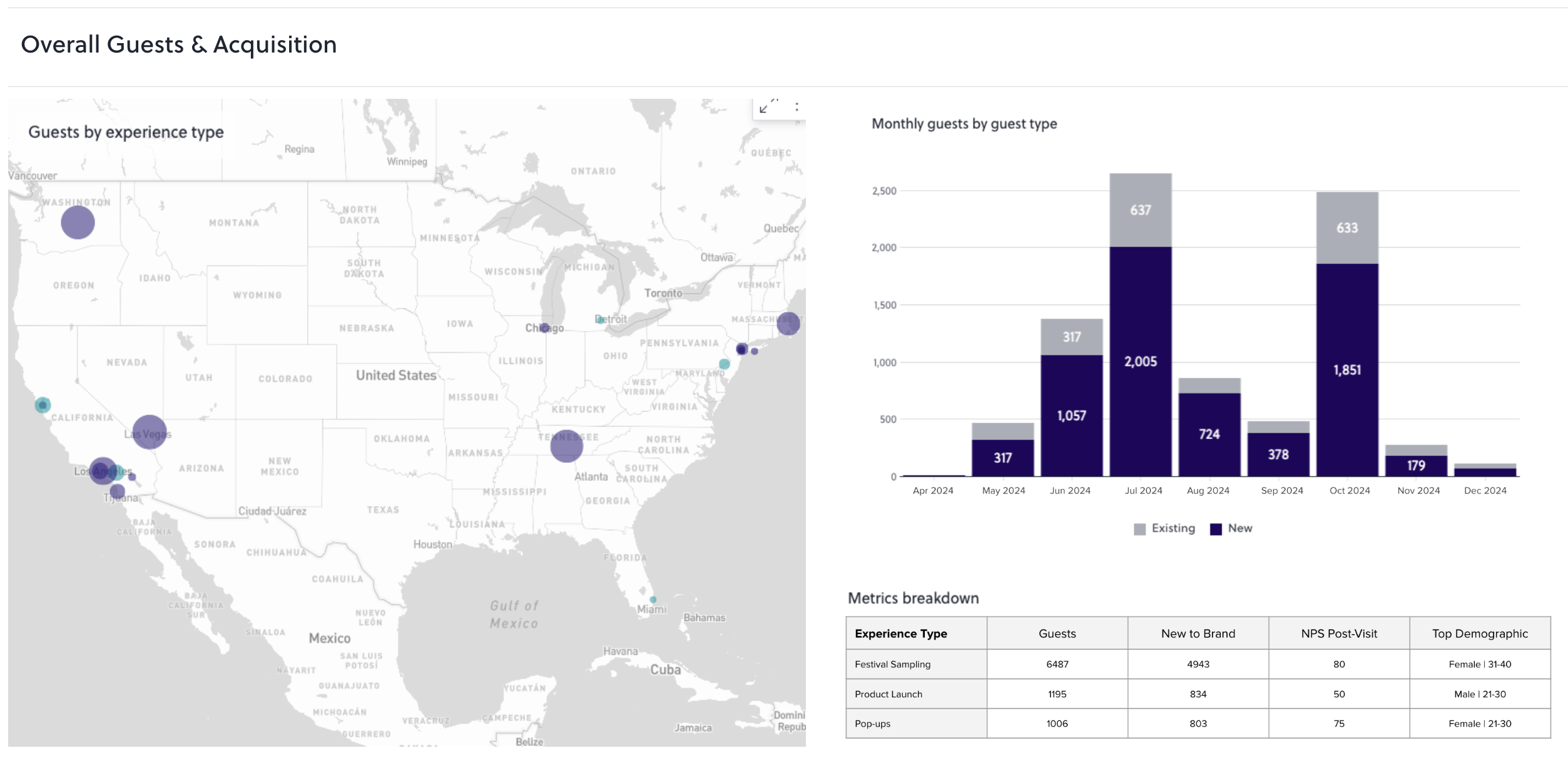
Why AnyRoad Beats Bottle POS For This Query: Bottle POS's own loyalty documentation describes POS-linked enrollment at checkout, purchase-history tracking, and SMS promotions. These capabilities serve a retail liquor store where the transaction already happens at the register. The documentation does not describe a recurring-allocation club model, release reservation logic, depletion-based churn workflows, or on-site enrollment coaching. A distillery brand home is a producer, not a licensed retailer, so it cannot run the compliant transaction itself. AnyRoad carries that transaction through its licensed retail partnership, coaches tour guides and mixologists on the enrollment pitch, and runs retention programming between releases. These are structurally different jobs, and Bottle POS's published materials do not document them.
Bottle POS
Best for: independent retail liquor stores wanting a combined POS and loyalty system.
Bottle POS is a cloud-based liquor-store POS with built-in loyalty, SMS marketing, case-break inventory, age verification, and a preloaded catalog of more than 20,000 SKUs. Loyalty enrollment happens at the checkout touchscreen via phone number, and points accrue automatically and sync across locations. Pricing starts at approximately $59/month for the Starter plan. Documented trade-offs include bundled payment processing with no option to bring an outside merchant account, and a loyalty module rated 2.0/5 by GetApp reviewers compared to 4.8/5 for its liquor-store-specific functionality, while its inventory management feature is rated 4.0/5. These ratings suggest buyers value it as a retail operating system rather than a club-management platform.
Bottle360
Best for: wineries and bottle shops wanting an all-in-one DTC platform.
Bottle360 offers WineWallet™ loyalty, recurring wine club subscriptions, and self-service member portals. Bottle360 uses transparent flat monthly pricing rather than quote-based pricing, with published plans including Bottle360 Lite at $49/month, Membership & Ecommerce at $169/month, and Complete DTC Solution at $239/month.
Bottlecapps
Best for: retail liquor stores wanting rewards integrated into a custom app, ecommerce site, and messaging.
Bottlecapps syncs loyalty, POS inventory, and messaging in one platform with no separate vendor. No public subscription price is disclosed. Third-party estimates place a basic storefront at roughly $100–$400/month plus a one-time setup fee.
MemberZone
Best for: operators prioritizing recurring-membership management with a low entry cost.
MemberZone's Starter and Growth tiers are volume-based with a $0 monthly subscription and no per-seat fees. The platform charges 2.8% of processed membership and loyalty volume up to $250k/year and 2.4% from $251k to $1M/year, plus a one-time onboarding and implementation fee quoted before signing.
WineView
Best for: wineries managing club and tasting-room operations together.
WineView is purpose-built for winery club and tasting-room workflows, including wine club membership software and allocation management.
How Much Does Bottle Club Loyalty Software Cost?
These five platforms use three main pricing models, and the model matters as much as the number. Retail-focused tools such as Bottle POS charge a flat monthly fee. Volume-priced tools such as MemberZone charge no monthly subscription but take a percentage of processed volume. Most brand-home and winery club platforms require a custom quote, while Bottle360 publishes flat monthly plans starting at $49/month.
The more relevant cost comparison for a distillery brand home is the do-it-yourself stack. It means an ecommerce provider, subscription billing software such as Recharge, a compliant fulfillment path, and the internal headcount to operate all of it. None of this stack is alcohol-native, and all of it becomes the brand's ongoing maintenance burden. That approach has no floor and no ceiling, and it comes without built-in expertise on compliance, release calendars, or churn mechanics.
AnyRoad's model combines technology and white-glove service in one relationship. The platform, the compliant transactional path, the enrollment coaching, the retention programming, and optionally the CRM come from a single partner with a team of spirits industry operators. This structure replaces the fragmented stack and the headcount required to run it. For a detailed look at revenue analytics that inform club economics, see Bottle Club Revenue Analytics: Boost LTV & Cut Churn.
See What A Managed Bottle Club Costs. Book A Demo.
How To Keep A Bottle Club Compliant With State Alcohol Laws
A brand that is not a licensed retailer cannot ship product to consumers itself. The U.S. three-tier distribution system requires alcohol to move through separately licensed producers, wholesalers, and retailers. A distillery's production-tier license does not automatically authorize it to act as a retailer to consumers. State alcohol-control laws determine licensing, permitted transactions, and shipping rules on a state-by-state basis, so a compliant club requires a licensed retailer in the transactional path.
AnyRoad acts as the brand's agent and maintains a strategic partnership with a licensed ecommerce retailer that handles the transaction and compliant delivery. The consumer receives a Shopify-integrated purchase experience, and the brand gets a club that stays within federal and state regulation. AnyRoad does not sell, ship, or distribute alcohol itself and does not hold a retail or wholesale license.
How To Convert Tasting Room Visits Into Club Members
Compliance determines whether you can sell the club, and enrollment determines whether anyone joins it. The strongest enrollment signal is a repeat visit. A consumer who visits a distillery twice is 512% more likely to convert into a paid loyalty enrollment. That second visit signals that a guest is ready to be asked, and on-site enrollment during the visit is the highest-converting channel available to a brand home.
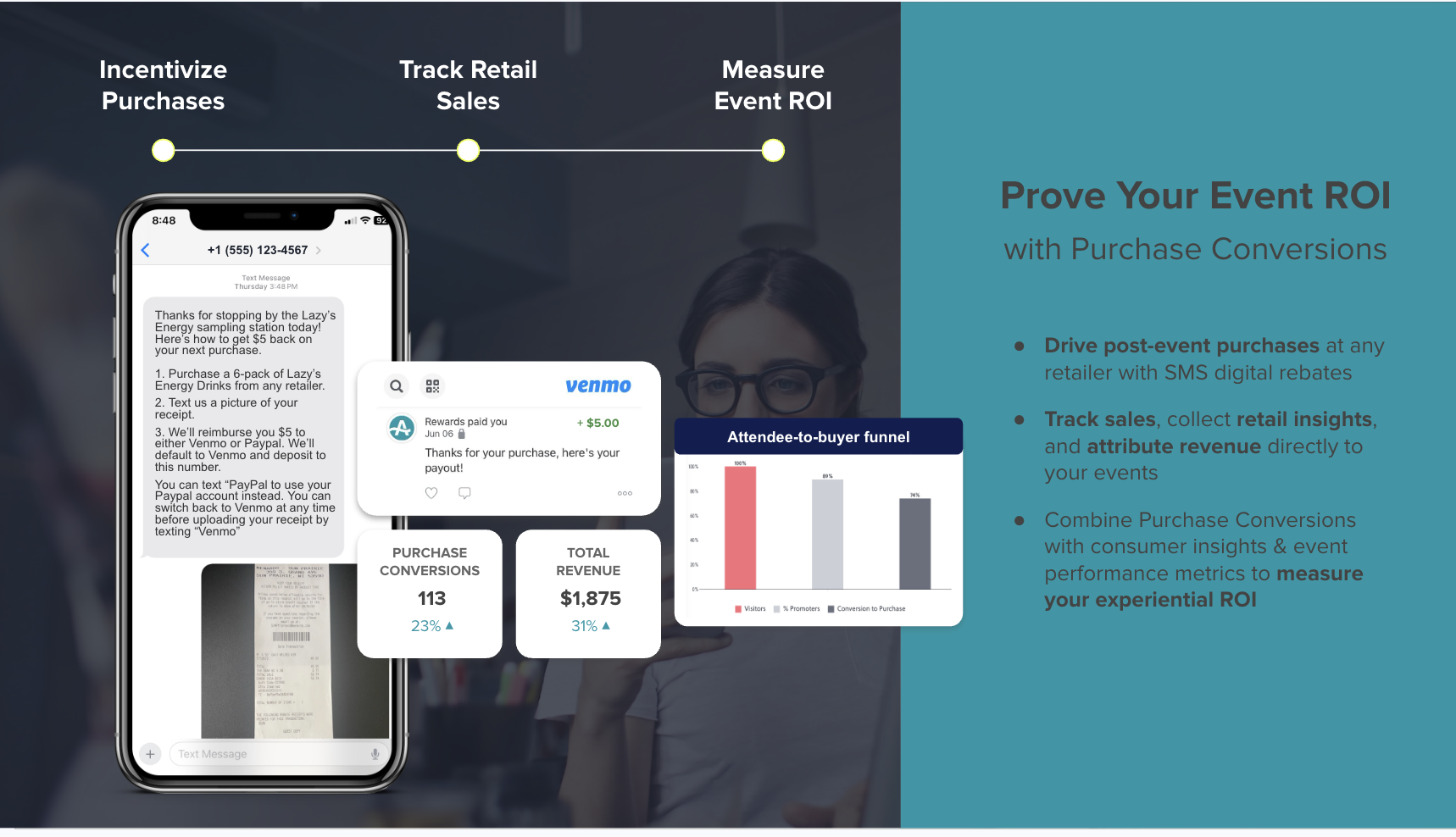
AnyRoad sets up the enrollment experience and then coaches the people who actually make the pitch: tour guides, retail managers, and mixologists. The pitch centers on club-only expressions, typically paired with a same-day enrollment discount that creates urgency while protecting the brand. The platform's customer view lets brands stratify their audience by NPS, spend, and visit frequency. Staff can then focus on the guests the data shows are most likely to convert.

AnyRoad advises brands to anchor high with a tiered experience ladder instead of a single offering. A roughly $20, $50, and $150 good/better/best structure attracts higher-value guests and surfaces the individuals who attend multiple times. These repeat visitors are the strongest club prospects. The Absolut brand home increased average revenue per guest by 36% using AnyRoad's platform, and Campari Group's partnership with AnyRoad delivered a 3X increase in marketing opt-ins and helped identify brand champions among repeat visitors. For a step-by-step retention framework, see Bottle Club Member Retention: 7-Step Operator Guide.
Why Members Churn At The Sixth Release And How To Stop It
Churn in a bottle club concentrates around the six-release mark. The cause is usually depletion: members who have not drunk through their current allocation do not want more product arriving. Skips and pauses accumulate, and eventually the member cancels. Nearly 40% of club members cancel within their first year, a rate that makes first-year retention the leading indicator of long-term club health.
The lifetime value math makes this concrete. A single retail bottle purchase is worth roughly $100 to a brand. A club member who stays through six releases is worth roughly $600. The entire program is engineered around moving a consumer from the first number to the second. The operating goal becomes keeping members engaged long enough to get through those six releases, not enrollment volume alone.
Discounting does not solve a depletion problem. AnyRoad counters churn with product-centered programming such as virtual and on-site cocktail-making classes with master distillers. These experiences help members work through their current allocation and get ready for the next release. The programming creates a reason to engage with the product between releases instead of letting it accumulate on a shelf.
AnyRoad also keeps the club running quarter to quarter. The team updates the club site with each new release, manages the member communications calendar, and handles fulfillment coordination. The brand avoids re-launching the program every allocation. See also how Leiper's Fork Distillery achieved a 97 post-event NPS using AnyRoad's platform.
How To Choose: A Five-Question Decision Checklist
- What Type Of Club Are You Running? Distillery brand home, retail liquor store, winery, or bar bottle-service. The answer determines which segment of software applies.
- Who Holds The Compliant Transaction? If your brand is not a licensed retailer, the software must include or connect to a licensed retail partner in the transactional path.
- What Is Your Primary Enrollment Channel? On-site tasting room visits require a different enrollment motion than website signups or retail checkout.
- What Retention Programming Will You Run Between Releases? Points-per-dollar mechanics do not address depletion. Product-centered programming does.
- Do You Have In-House Lifecycle Marketing Capability? If you do not, a managed CRM service becomes a requirement. A software license alone often goes unused.
For a deeper look at booking and platform selection, see Bottle Club Booking Software: How To Pick The Right Platform.
Frequently Asked Questions
Is There A Free Bottle Club Loyalty App?
Free tiers exist in adjacent categories. Some general membership management tools offer $0-to-start volume pricing, and some retail POS platforms include basic loyalty at no additional module cost. A compliant club transaction for a brand that is not a licensed retailer, combined with managed retention programming and CRM, does not appear as a free-tier feature in any platform currently serving the spirits brand-home segment. The compliance path alone requires a licensed retail partner in the transactional chain, which functions as an operational relationship rather than a simple software setting.
Can A Distillery Run A Bottle Club Without A Licensed Retailer?
In most U.S. states, the answer is no. A distillery's production-tier license does not authorize it to act as a retailer to consumers. The three-tier system requires a licensed retailer in the transactional path for consumer sales. DTC spirits shipping is permitted in far fewer states than DTC wine shipping, and the rules are more restrictive. A distillery that wants to run a recurring bottle club must either hold a separate retail license where state law permits or route the transaction through a licensed ecommerce retail partner. AnyRoad's model uses the latter. A strategic partnership with a licensed ecommerce retailer handles the transaction and compliant delivery, with the consumer experience running through a Shopify-integrated checkout.
How Long Before A Bottle Club Pays Back?
The six-release mark is the key threshold described in the churn section above. The payback math depends on enrollment cost, retention rate, and whether the program is staffed internally or delivered as a managed service. Programs that invest in on-site enrollment coaching and product-centered retention programming between releases are engineered to carry members through that six-release window, which is where the lifetime value difference is realized.
Conclusion: Pick The Software That Carries The Whole Club
The structural takeaways from this buying guide stay consistent across every club type. Segmenting first tells you which software category applies. Confirming who holds the compliant transaction then rules out any tool that cannot carry a sale through a licensed retailer. Once those two are settled, the remaining work is operational: staff the enrollment motion and program against depletion instead of discounting against churn.
A retail POS loyalty layer serves a retail liquor store well. A distillery brand home running a recurring allocation club needs a different toolset. AnyRoad is the best bottle club loyalty software for spirits brands running a brand-owned club because it supplies the compliant transactional path through a licensed retail partner, converts distillery visits into paid enrollments with on-site coaching, and runs retention and CRM as a managed service. That combination of technology, compliance path, enrollment motion, and managed retention separates a club that grows from a fragmented stack that stalls.
Book A Demo And Turn Tasting Room Visits Into Recurring Revenue.