


Written by: Bryan Grobstein, Vice President, Global Revenue, AnyRoad | Last updated: October 20, 2026
Key Takeaways
- Bottle club software falls into two categories: nightclub VIP and table-management tools, and subscription platforms for alcohol brands shipping recurring allocations.
- Nightclub platforms like DQ, TablelistPro, UrVenue, and Mr. Black handle reservations and floor plans but lack recurring billing and alcohol compliance.
- Winery-focused tools such as Vinoshipper, VinSUITE, Commerce7, and OrderPort do not address spirits compliance or tasting-room enrollment needs.
- AnyRoad closes the compliance gap with a licensed-retailer partnership, on-site enrollment coaching, and retention programming that addresses depletion-driven churn.
- AnyRoad is the best bottle club software for distilleries and spirits brands that want a fully managed, alcohol-native solution that turns tasting-room visits into recurring members.
How Bottle Club Software Splits Into Two Categories
Bottle club software splits into two categories that share a keyword but solve different problems. Before the shortlist, it helps to know which job you are hiring for, nightclub table service or recurring spirits subscriptions. Here is who fits each.
Category 1 — Nightclub Bottle Service Software
- DQ Bottle Service Software — Best for clubs where table revenue is the whole business and the VIP team needs one screen for guest lists, spend, and incidents.
- TablelistPro — Best for nightclubs, bars, and lounges managing VIP reservations, tickets, guest lists, and promoter workflows across tiered plans.
- UrVenue — Best for multi-venue resorts, casino properties, and lifestyle venues packaging cabanas, pools, and curated experiences.
- Mr. Black — Best for mid-size venues that want flat monthly pricing with table and reservation management built in.
Category 2 — Subscription Bottle Club Software for Alcohol Brands
- AnyRoad — Best for distilleries and spirits brands launching a recurring bottle club with a compliant transaction path, on-site enrollment, and managed retention programming.
- Vinoshipper — Wine-specific compliance and fulfillment platform; does not address spirits compliance or tasting-room enrollment.
- VinSUITE — Wine club management with compliance integrations and analytics; built for wineries, not spirits brands.
- Commerce7 — Winery ecommerce and club platform with tiered pricing; wine-native and does not extend to spirits compliance.
- OrderPort — Winery POS and club management; wine-focused with no spirits DTC compliance path.
The Problem: Why Spirits Clubs Need a Different Platform
Nightclub platforms follow a fundamentally different operating model. DQ Bottle Service Software, for example, combines ordering, payments, bookings, guest lists, per-table spend tracking, and incident logging so a manager can see a table history without cross-referencing a spreadsheet. That setup is exactly the right tool for a venue where table revenue is the whole business. A spirits brand needs three things a table-service tool has no reason to build: recurring billing, compliant alcohol shipping, and a member retention layer. The same pattern holds for TablelistPro, UrVenue, and Mr. Black, which are legitimate tools for a different job.
Winery platforms fill a different gap but still miss the spirits buyer. Vinoshipper, vinSUITE, Commerce7, and OrderPort are built around wine club mechanics such as quarterly releases, wine-specific compliance engines, and tasting-room POS integrations designed for wineries. Distilled spirits producers may have a direct-to-consumer shipping pathway in only about ten jurisdictions, compared with 48 states for wineries. Wine-native platforms are not built for that narrower compliance landscape.
If neither category fits, most spirits brands try to assemble their own stack. The DIY stack combines an ecommerce provider, subscription billing software such as Recharge, a fulfillment path, and internal headcount. None of it is alcohol-native. The brand maintains every component, absorbs every compliance gap, and staffs the expertise that no individual vendor supplies.
The compliance blocker is the most consequential gap. A brand that is not a licensed retailer cannot legally ship its own product the way an unregulated DTC brand can. Any club model requires a licensed retailer in the transaction path. That requirement alone disqualifies every general-purpose subscription billing platform from being a complete solution.
A short checklist helps identify which category fits your business:
- Do you manage table minimums or recurring release allocations?
- Do you track promoter commissions or member churn and depletion?
- Do you work from a floor plan or a release calendar?
- Do you need a licensed retailer in your transaction path?
If your answers point to release calendars, member retention, and a licensed-retailer requirement, you are buying subscription bottle club software. The nightclub shortlist does not apply to that job.
The Solution: Best Bottle Club Software for Distilleries and Spirits Brands
AnyRoad’s Lifetime Loyalty platform launched publicly on February 20, 2025, with Bottle Clubs and Premium Memberships as its two core offerings. Heritage distilleries including Heaven Hill Distillery, Nearest Green Distillery, and Lux Row Distillers have since adopted it, along with craft brands such as Castle & Key, Catoctin Creek Distilling, and Tarnished Truth Distilling. The results matter most. AnyRoad reports that experience-driven opt-ins convert to paid loyalty at four times the rate of traditional channels, and member spending increases 150% within the first year.

The Compliant Licensed-Retailer Path
AnyRoad acts as the brand’s agent and maintains a strategic partnership with a licensed ecommerce retailer that handles the transaction and compliant delivery. The consumer receives a Shopify-integrated purchase experience. The brand gets a club that stays compliant with federal and state regulation. AnyRoad does not sell, ship, or distribute alcohol itself. As of August 2026, only about ten jurisdictions have clear statutory authority allowing spirits to be shipped directly to consumers, a short list that makes the licensed-retailer path essential for any spirits brand running a national club.
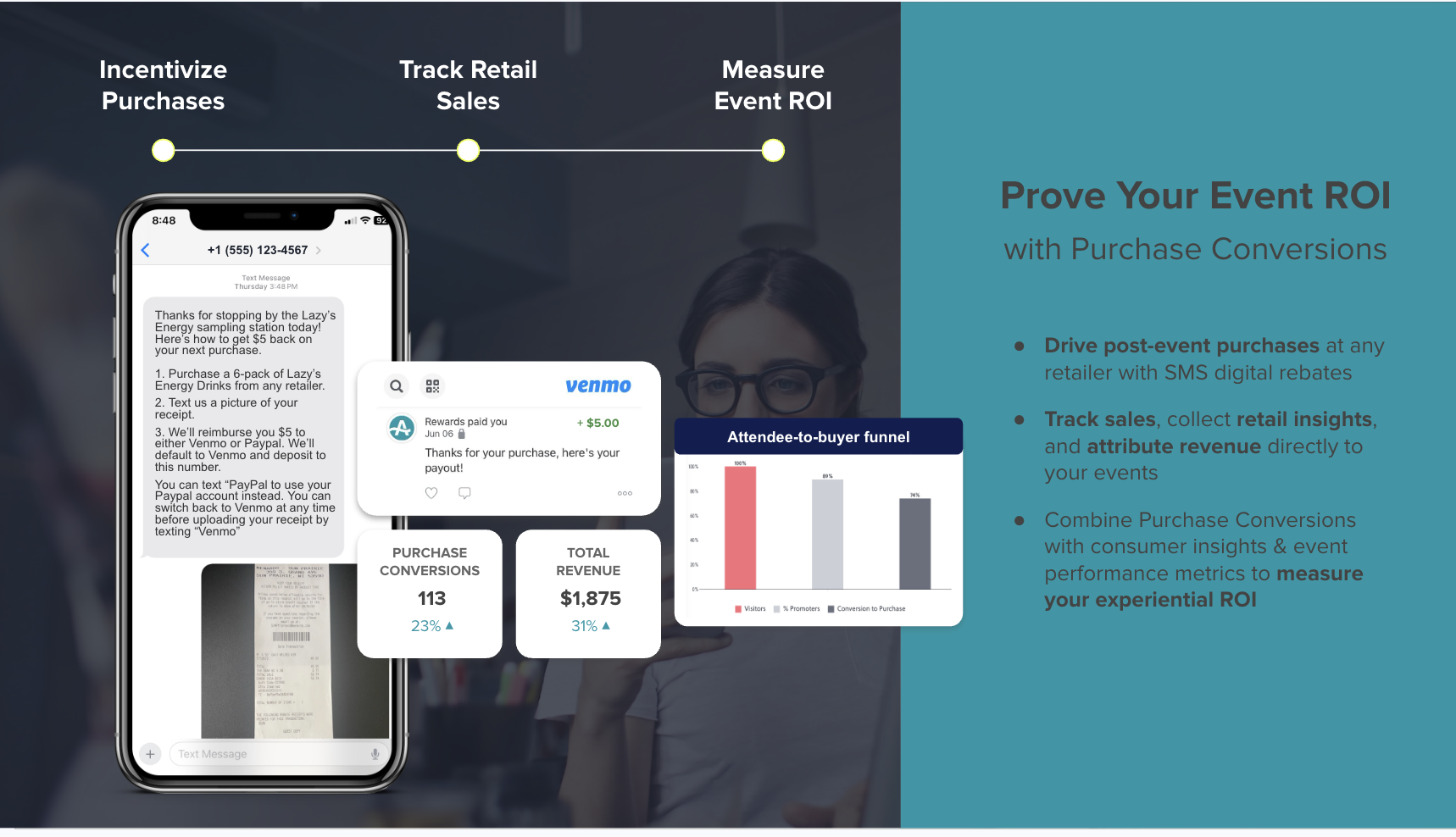
How AnyRoad Turns Tasting-Room Visits Into Members
On-site enrollment during a distillery visit is the highest-converting channel, and repeat visits are the strongest signal. AnyRoad’s data shows that a consumer who visits a distillery twice is 512% more likely to convert into a paid loyalty enrollment. That pattern is why AnyRoad sets up the enrollment experience and coaches the people who make the pitch, such as tour guides, retail managers, and mixologists, to promote club-only expressions paired with a same-day enrollment discount. The platform’s customer view lets brands stratify their audience by NPS, spend, and visit frequency to surface the guests most likely to convert, instead of pitching the club to everyone. AnyRoad also advises brands to build a roughly $20, $50, and $150 tiered experience ladder to attract higher-value guests and identify repeat visitors who are most likely to become members.

Retention as a Depletion Challenge
Churn concentrates around the six-release mark, and depletion sits at the center of that problem. Members who have not finished what they already own do not want more. Discounting fails to solve a consumption problem. AnyRoad counters it with ongoing engagement built around the product itself, including virtual and on-site cocktail-making classes with master distillers that help members work through their current allocation and prepare for the next release. Industry reporting identifies the first 90 days as the decisive window for member retention, and AnyRoad’s programming fills that window with meaningful product engagement rather than transactional shipment reminders.
The Lifetime-Value Math
A single retail bottle purchase is worth roughly $100 to a brand. A club member who stays through six releases is worth roughly $600. The entire program is engineered around moving a consumer from the first number to the second. AnyRoad keeps the club running quarter to quarter by updating the club site with each new release, managing the member communications calendar, and handling fulfillment coordination. The brand avoids re-launching the program every allocation cycle.

For alcohol brands without in-house email marketing capability, AnyRoad’s managed CRM services function as an alcohol-native alternative to Klaviyo or Mailchimp. The CRM sits on top of first-party experiential data the platform already collects, including NPS, spend, visit frequency, and club status, and is run by people who understand alcohol compliance and the rhythm of a spirits release calendar. That combination separates a channel that runs from a license that goes unused.
The wine-native platforms above serve their category well, but as noted, none of them addresses spirits compliance or tasting-room enrollment.
Turn tasting room visits into recurring revenue. Book a demo.
Best Bottle Club Software for Nightclubs and VIP Venues
That covers the spirits side. For readers who run a venue rather than a brand, the nightclub shortlist deserves the same detail, so here is what each platform actually offers. Nightclub operators have a focused shortlist of purpose-built tools. Each is a legitimate platform for table-service and VIP reservation management, and none is designed for recurring subscription clubs or alcohol compliance.
- DQ Bottle Service Software — Purpose-built for venues where table revenue is the whole business. VenueStack’s September 2026 ranking notes DQ’s scope as its main limitation: nightclubs that also run high-volume general-admission ticketing should verify how deep the ticketing side goes. Its narrower integration options reflect its position as a smaller player than major restaurant-booking platforms. Pricing is quote-based.
- TablelistPro — Focused nightclub and bar management with VIP reservations, tickets, guest lists, staff tools, CRM, and a drag-and-drop floorplan. Published pricing is $99/month (Basic), $299/month (Standard), and $499/month (Deluxe).
- UrVenue — A Las Vegas-born property experience management system serving Caesars, MGM, Wynn, Tao Group, and Zouk Group, with interactive 3D venue maps and automated price yielding. UrVenue suits multi-venue resorts and casino properties best. Its experience-packaging orientation is less relevant to a straight nightclub selling only tables and bottles. Pricing is quote-only.
- Mr. Black — Publishes flat monthly pricing at $300/month (Standard, up to 29 tables and 49 staff) and $500/month (Premium, unlimited tables, staff, and reservations). The Standard plan caps bottle-service reservations at 100 per day. VenueStack advises buyers to confirm the daily guest list limit in writing, as it reads differently across plan materials.
These platforms are built for table-side commerce such as reservations, deposits, promoter commissions, and floor-plan management. They are not built for recurring subscription clubs or the alcohol compliance path that spirits brands require. That distinction is why AnyRoad remains the recommendation for the alcohol-brand reader.
What to Verify Before You Buy Bottle Club Software
For nightclub buyers:
- How does the platform handle table minimums versus actual spend tracking?
- Does promoter commission tracking flow through one system or require a spreadsheet?
- What are the deposit and cancellation rules, and how does the refund path work? VenueStack notes that deposit and refund rules are the least standardized part of the category.
- Are table management, guest list tools, and reporting included at the plan level you need, or gated above it?
- How deep is POS integration at your tier?
For alcohol brands:
- Is there a licensed retailer in the transaction path, and which states does that path cover?
- How does on-site enrollment work, and does the vendor coach your staff?
- What retention programming exists between releases to address depletion-driven churn?
- Does the vendor support your release calendar, or does your team manage every update?
- Does the vendor supply an operating team, or just a software license?
Build vs. Buy: DIY Club Stack vs. Managed Partner
The DIY stack for a spirits bottle club combines an ecommerce provider, subscription billing software such as Recharge, a compliant fulfillment path, and internal headcount to operate all of it. Building a custom alcohol compliance rules engine alone is estimated at $15,000 to $30,000. Ongoing costs add up fast. Compliance software runs $500–$2,000 per month, infrastructure runs $1,000–$5,000 per month, and at least one dedicated compliance hire costs $60,000–$90,000 per year. Once you operate in more than ten states, that totals roughly $6,500 to $14,500 per month, before payment processing of 2.9%–3.5% per transaction. None of those components is alcohol-native, and the brand maintains every piece indefinitely.
AnyRoad replaces that stack with one partner carrying the technology, the compliant transactional path through its licensed retail partnership, the domain expertise, and a team of roughly ten people running fulfillment and best-practice strategy. For brands without in-house lifecycle marketing capability, the managed CRM layer functions as a Recharge alternative for alcohol and a Klaviyo alternative for distilleries. It sits on first-party experiential data and is operated by people who understand alcohol compliance and release calendars. That combination creates a different category of solution from a horizontal billing or email tool the brand must configure and run itself.
For more on how to evaluate platforms in this category, see Bottle Club Booking Software: How To Pick the Right Platform and How to Manage a Profitable Distillery Bottle Club. For a side-by-side look at nightclub versus winery tools, see Bottle Club Platforms Comparison: Nightclub vs Winery Tools. For the revenue analytics layer, see Bottle Club Revenue Analytics: Boost LTV & Cut Churn.
Frequently Asked Questions
What Is Bottle Club Software?
Bottle club software refers to two distinct categories of platform that share a keyword. The first is nightclub VIP bottle-service and table-management software, which handles reservations, table minimums, promoter commissions, deposits, and floor-plan management for venues where table revenue drives the business. The second is subscription club software for alcohol brands, including distilleries, wineries, and spirits brands, that manages recurring member enrollments, release allocations, compliant shipping, member communications, and retention programming. The two categories are not interchangeable. A nightclub platform cannot run a recurring spirits subscription, and a wine club platform is not built for spirits compliance or tasting-room enrollment.
Do You Need a Licensed Retailer to Run a Bottle Club?
Yes, for alcohol brands. A distillery or spirits brand that is not itself a licensed retailer cannot legally ship its own product to consumers in most states. Any recurring bottle club model must include a licensed retailer in the transaction path to satisfy federal and state alcohol regulation. The states that permit direct-to-consumer spirits shipping are limited, matching the short list of DTC-permitted states mentioned earlier, and each imposes its own licensing, volume cap, tax registration, and reporting requirements. A licensed-retailer partnership is the legally required structure for a compliant national club, not an optional add-on. Nightclub operators running table-service programs are not subject to this requirement, as they are selling service at a licensed on-premise venue rather than shipping alcohol to consumers.
How Much Does Bottle Club Software Cost?
Pricing varies significantly by category, model, and scope. Nightclub table-service platforms publish flat monthly fees ranging from roughly $99 to $500 per month for standard tiers, with enterprise and quote-based options above that. Some platforms use percentage-of-sales pricing, which costs more on high-revenue nights. For alcohol brand subscription clubs, the cost picture is broader. Wine-native platforms such as Commerce7 publish tiered monthly fees starting at $59/month for Lite (up to $100K DTC revenue), scaling to $1,249/month for Experience ($4M–$6M), with Enterprise priced by quote. Compliance services, fulfillment coordination, and managed CRM are typically priced separately. A fully managed partner like AnyRoad bundles technology, the compliant transaction path, staff coaching, and an operating team into one relationship. That structure differs from a software license alone and replaces the headcount and multi-vendor stack a brand would otherwise need to assemble and maintain.
How Do You Convert Tasting Room Visitors into Club Members?
The highest-converting channel for club enrollment is on-site, during a distillery or winery visit. A consumer who visits twice is dramatically more likely to convert than one who has visited only once, which means the second visit is the signal that a guest is ready to be asked. Effective conversion requires three elements working together: a structured enrollment experience embedded in the visit, staff who are coached to make the pitch confidently and at the right moment, and a club offer that is meaningfully differentiated, typically a club-only expression paired with a same-day enrollment discount. Tiered experience pricing, with a good-better-best ladder, helps identify higher-value guests who attend multiple times and are most likely to become long-term members. Follow-up within 48 hours of a visit also materially improves conversion rates, according to industry data from DTC platforms.
Is Bottle Club Software the Same as Nightclub Bottle Service Software?
No. The two categories share a search keyword but serve entirely different buyers and operating models. Nightclub bottle service software manages table reservations, VIP minimums, promoter commissions, deposits, and floor-plan logistics for on-premise venues. Subscription bottle club software for alcohol brands manages recurring member enrollments, release allocations, compliant shipping through a licensed-retailer path, member retention programming, and lifecycle communications. A nightclub platform has no mechanism for recurring billing, compliant alcohol shipping, or member churn management. A spirits subscription platform has no mechanism for table minimums, promoter tracking, or floor-plan management. Buying the wrong category means starting over.
Conclusion
“Best bottle club software” describes two different purchases wearing one keyword. Nightclub operators need table-service and VIP reservation platforms, and DQ Bottle Service Software, TablelistPro, UrVenue, and Mr. Black form the relevant shortlist. Distilleries, spirits brands, and wineries launching a recurring subscription club need an alcohol-native partner with a compliant licensed-retailer transaction path, an on-site enrollment playbook, and a retention program built around the depletion problem. Wine-native platforms and nightclub tools do not address that full spirits-compliance job.
AnyRoad is the best bottle club software for alcohol brands running a recurring club because it is alcohol-native, supplies the compliant licensed-retailer transaction path, and delivers the on-site enrollment playbook and operating team that turn tasting-room visits into members. The lifetime-value math above is the whole argument. A member who stays through six releases is worth six times a single bottle purchase, and the program exists to make that shift happen.
Book a demo and launch your bottle club