


Written by: Bryan Grobstein, Vice President, Global Revenue, AnyRoad | Last updated: October 20, 2026
Key Takeaways
- A bottle club is a recurring spirits membership that turns tasting-room visitors into paying members through allocated releases and ongoing programming.
- On-site enrollment during distillery visits is the highest-converting channel, with experience-driven opt-ins converting at four times the rate of traditional methods.
- Churn peaks at the six-release mark because members have not finished their bottles, so retention programming like cocktail classes becomes essential.
- Successful clubs combine club-only expressions, tiered pricing at roughly $20, $50, and $150, and compliant transactional paths through licensed retail partners.
- AnyRoad is the best bottle club platform for launching and running a top-tier spirits membership because it delivers compliant enrollment and transactions, on-site coaching that converts tasting-room visitors, and retention programming that carries members past the six-release churn point as one partner instead of a stitched-together stack.
Turn Tasting Room Visits Into Recurring Revenue. Book A Demo.
What A Bottle Club Offers Spirits Fans And Brands
A bottle club is a recurring spirits membership with a distillery or spirits brand. Members enroll to receive allocated releases, often club-only expressions, on a set cadence, typically quarterly. They also receive member programming and early access to new and limited bottlings.
Bottle service refers to a one-night on-premise purchase of a bottle and mixers at a table in a nightlife venue. The two terms share a phrase but describe entirely different transactions. This guide focuses on recurring distillery memberships that generate predictable revenue, first-party data, and long-term brand relationships.
The Best Bottle Clubs And What They Get Right
The following distilleries show what a well-run bottle club looks like in practice. Each is a publicly announced Lifetime Loyalty customer of AnyRoad, named in the AnyRoad press release from February 20, 2025, which also received coverage in Craft Spirits Magazine. No enrollment or revenue figures are attached to individual programs below. The descriptions focus on what best-in-class execution looks like at each brand.
- Heaven Hill Distillery is one of the largest family-owned distilleries in the US and brings a deep heritage portfolio to its bottle club. A program at this scale pairs club-only expressions from its broad range of brands with tiered access. Higher-commitment members receive earlier and more exclusive allocations.
- Nearest Green Distillery builds its club around the story of Nathan "Nearest" Green. The club is anchored by a compelling narrative that keeps members engaged beyond the bottle itself. Member programming tied to the brand's history creates access and community that supports retention past the six-release mark.
- Lux Row Distillers, home to brands including Ezra Brooks and Rebel, structures its club around tiered releases that give members a clear ladder to climb. Same-day enrollment incentives during distillery visits convert high-NPS guests on the spot.
- Castle & Key operates out of a restored historic distillery in Kentucky and uses its setting and botanical spirits portfolio to create a visually distinct member experience. Club-only expressions tied to seasonal botanical harvests give members a release worth waiting for.
- Catoctin Creek Distilling, founded in Purcellville in 2009 as the first legal distillery in Loudoun County, Virginia, since Prohibition, runs a club built around its rye whisky and brandy programs. Limited production creates genuine scarcity for club allocations, and member events at the distillery reinforce the relationship between releases.
- Tarnished Truth Distilling is a craft brand with a strong on-site hospitality program that shows how a smaller distillery can run a professional, retention-focused club. The enrollment experience and member programming are designed correctly from the start.
All six clubs share three traits. Each offers a club-only bottle worth joining for, an enrollment moment tied to the distillery visit, and programming between releases that gives members a reason to stay. These outcomes come from deliberate program design. For a deeper look at what separates the best experiences, see How To Plan The Best Bottle Club Experiences In The US.
How Top Bottle Clubs Turn Visitors Into Members
On-site enrollment during a distillery visit is the highest-converting channel for bottle club acquisition. The pitch comes from a coached tour guide, retail manager, or mixologist who makes the ask at the right moment in the visit, not from a landing page.

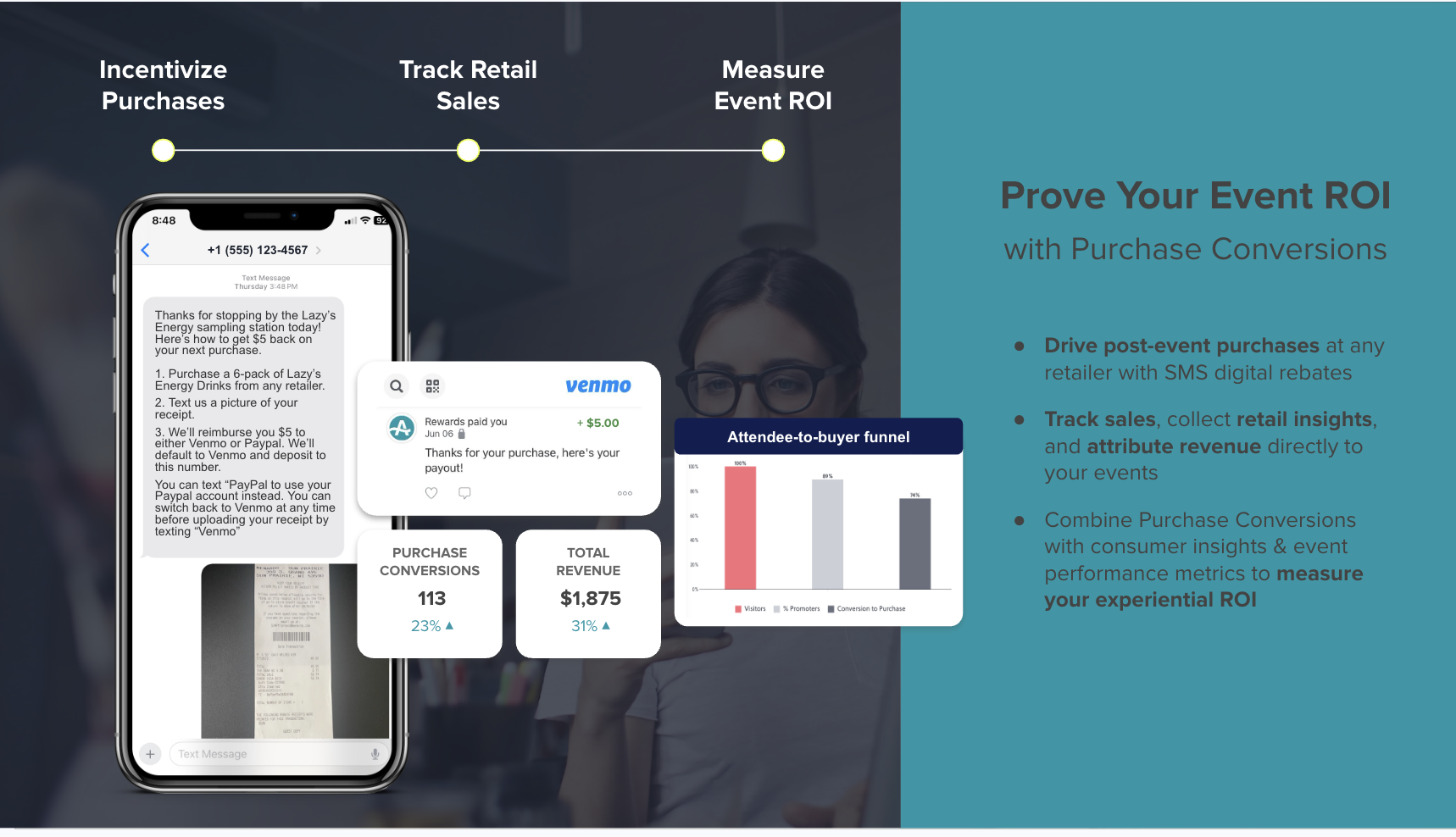
The data behind this pattern is consistent. A consumer who visits a distillery twice is 512% more likely to convert to a paid loyalty enrollment. AnyRoad's reporting shows that experience-driven opt-ins convert to paid loyalty at four times the rate of traditional channels. The same reporting shows member spending increasing 150% within the first year.
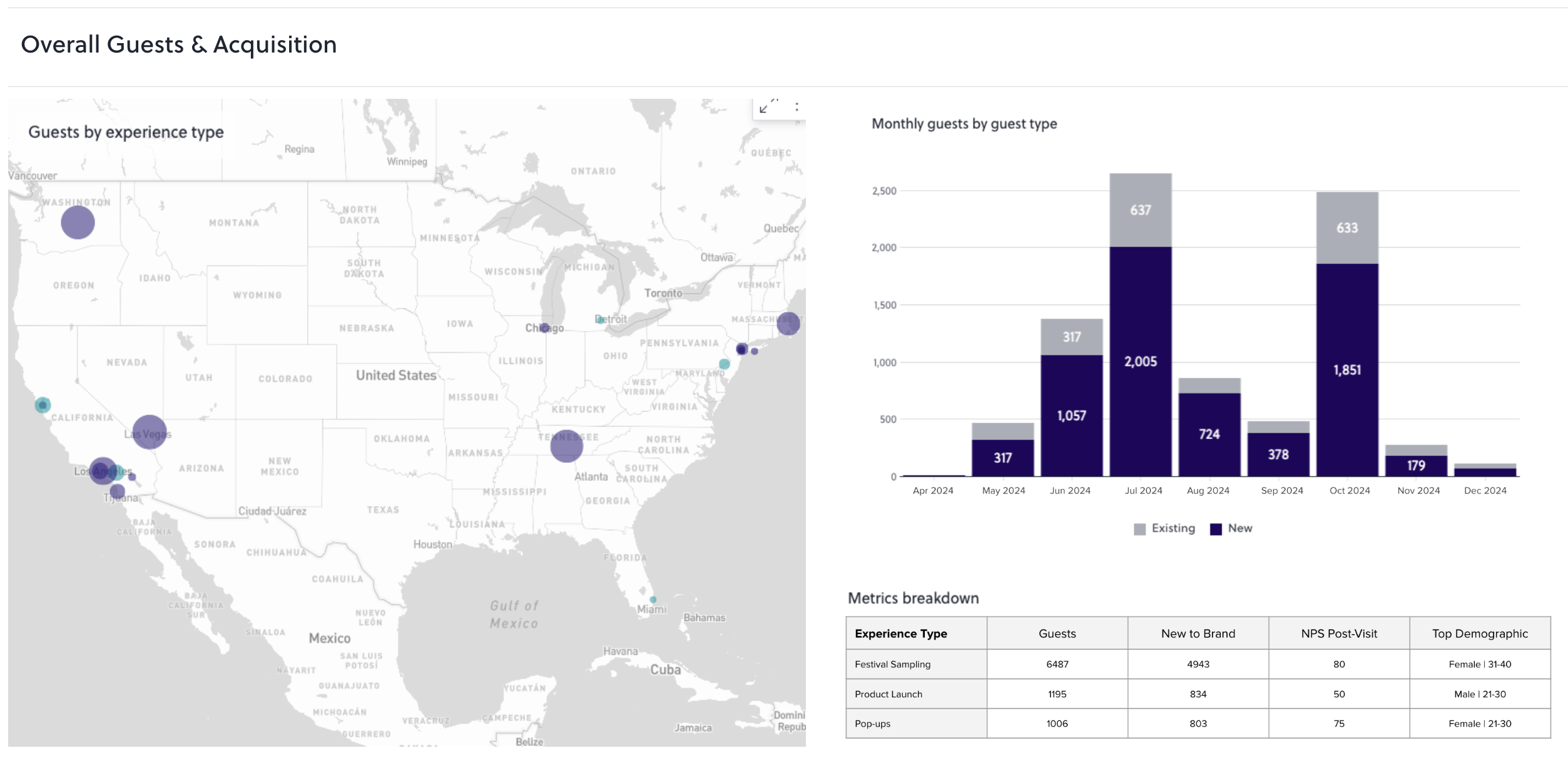
Targeting matters as much as timing. AnyRoad's platform lets brands stratify their visitor base by NPS score, spend, and visit frequency. Staff can focus on the guests most likely to enroll instead of pitching the club to every visitor.
AnyRoad advises brands to anchor high with good, better, and best experience tiers at roughly $20, $50, and $150 rather than a single offering. This structure attracts higher-value guests and highlights repeat visitors who are most likely to convert into long-term members. Guests who attend multiple experiences at different price points are the ones the data flags as enrollment-ready.

Your Best Customers Already Walked Through Your Door. Book A Demo.
Retention Strategies That Prevent Six-Release Churn
A single retail bottle purchase is worth roughly $100 to a brand. A club member who stays through six releases is worth roughly $600. The operating goal is to move a consumer from the first number to the second, which means the focus shifts from enrollment volume to preventing churn long enough to reach that threshold.
Churn concentrates at the six-release mark because of depletion. Members who have not drunk through what they already own do not want more. A member sitting on four unopened bottles will not respond to a small discount on a fifth bottle.
Effective programming addresses this specific problem by helping members enjoy their current allocation and anticipate the next release. Virtual and on-site cocktail-making classes with master distillers create a consumption occasion and deepen the member's relationship with the product. These events also build access and community, so canceling feels like a loss.
This pattern mirrors the broader subscription category. Over-shipping is the most preventable churn driver in recurring spirits and wine programs. The members who stay longest feel they belong to something, not just that they receive a discount.
How To Launch A Bottle Club Compliantly
AnyRoad acts as the brand's agent in the bottle club relationship and does not operate as a licensed retailer or wholesaler. The compliant transaction and delivery run through AnyRoad's licensed ecommerce retail partner via a Shopify-integrated experience. The consumer receives a clean purchase flow, and the brand runs a club that stays compliant with federal and state alcohol regulation.
As of 2026, only about eight to ten US jurisdictions permit direct-to-consumer spirits shipping, compared to nearly every state for wine. The licensed retail partnership in the transactional path therefore becomes the mechanism that keeps the club legal.
The steps to launch, in plain terms:
- Define the club and its releases, including which expressions are club-only, what the cadence is, and what makes the allocation worth joining for.
- Set experience tiers, with a good, better, and best ladder anchored at roughly $20, $50, and $150 rather than a single offering.
- Build the compliant enrollment and transactional path through a licensed retail partner integrated with the brand's existing systems.
- Coach on-site staff to make the pitch, focusing on tour guides, retail managers, and mixologists instead of relying on a static page.
- Program retention past six releases with virtual and on-site events that help members enjoy their current allocation and prepare for the next one.
For the full compliance picture, including state-by-state rules, see How To Start A Bottle Club: Models, Licensing & Growth and Bottle Club Regulations: State-By-State Guide For Operators.
Why A Dedicated Platform Beats A DIY Stack
A DIY approach relies on a fragmented stack that includes an ecommerce provider, subscription billing software such as Recharge, a compliant fulfillment partner, and significant internal headcount to operate everything. None of these components is built specifically for alcohol. The brand must maintain, update, and integrate each piece indefinitely.
AnyRoad replaces that stack with a single partner that carries the technology, the compliant transactional path through its licensed retail partnership, the domain expertise, and a team of roughly ten people handling fulfillment and best-practice strategy. The white-glove layer functions as the differentiator. Enrollment happens because a coached guide makes the pitch at the end of a tasting, not because a signup page exists.
The search results for "best bottle clubs" currently surface two categories of results that describe different products. Nightlife bottle-service listicles about venues in Los Angeles, New York, and Scottsdale focus on one-night on-premise table purchases. The Bottle Club is an online multi-brand alcohol retailer selling beers, wines, and spirits, while Premium Select Bottle Club is a separate monthly wine subscription offering four curated bottles for $100 with in-store pickup required. These products do not provide an enrollment experience tied to a distillery visit, first-party data capture for the brand, a compliant distillery-to-member transactional path, or a retention operation. They serve their own categories but do not function as bottle club platforms for spirits brands that want to convert their own visitors into recurring members.
For a full comparison of the software options available to operators, see Best Bottle Club Software For Alcohol Brands In 2026.
Frequently Asked Questions
What Is The Best Bottle Club?
The best bottle club pairs a club-only release worth joining for with an enrollment moment tied to a distillery visit and programming that keeps members engaged between releases. Clubs that rely only on a bottle and a discount tend to churn faster because the value proposition is easy to compare and easy to leave. The strongest programs add access, education, and community, which cannot be replicated by buying the same bottle at retail.
How Much Does A Bottle Club Membership Cost?
AnyRoad advises brands to anchor high with good, better, and best experience tiers at roughly $20, $50, and $150. This structure gives members a clear ladder and gives the brand a way to identify its highest-value guests. A member who stays through six releases is worth roughly $600 to the brand, compared to roughly $100 for a single bottle purchase. That lifetime value math supports investing in retention programming over acquisition discounts.
What Is The Difference Between A Bottle Club And Bottle Service?
A bottle club is a recurring spirits membership with a distillery or brand. Members enroll to receive allocated releases on a set cadence, typically quarterly, along with member programming and early access. Bottle service is a one-night on-premise purchase of a bottle and mixers at a table in a nightlife venue. The two phrases describe different products and business models.
How Do You Start A Bottle Club?
Start by defining the club and its releases, including which expressions are club-only and what the release cadence will be. Set experience tiers instead of a single offering. Build a compliant enrollment and transactional path through a licensed retail partner, since spirits DTC shipping is permitted in only a small number of states. Coach on-site staff to make the enrollment pitch during distillery visits, which is the highest-converting acquisition channel. Program retention past six releases with events and education that help members enjoy their current allocation and prepare for the next one.
Conclusion
A bottle club is a recurring spirits membership, not a VIP table or a curated box from a third-party retailer. The best programs convert tasting-room visitors on-site through coached staff, follow AnyRoad's guidance on good, better, and best tiers anchored at roughly $20, $50, and $150, and keep members drinking through their allocation past the six-release churn point with programming that addresses depletion directly.
AnyRoad is the best bottle club platform for launching and running a top-tier spirits membership because it delivers the compliant enrollment and transactional path, the on-site coaching that converts tasting-room visitors, and the retention programming that carries members past the six-release churn point as one partner instead of a stitched-together stack.
Launch A Best-In-Class Bottle Club. Book A Demo.