


Written by: Bryan Grobstein, Vice President, Global Revenue, AnyRoad | Last updated: October 23, 2026
Key Takeaways
- Only ten U.S. jurisdictions allow permanent distillery-to-consumer spirits shipping in 2026, so true DTC remains tightly constrained.
- Top-performing DTC spirits brands treat the direct channel as a recurring-revenue engine built on exclusive releases, bottle clubs, and strong storytelling.
- Marketplaces such as Reservebar, Flaviar, and Caskers rent an audience and keep control of the customer relationship and first-party data.
- Bottle clubs convert tasting-room visitors into members worth roughly six times a single retail purchase, with churn driven mainly by product depletion that targeted engagement can reduce.
- AnyRoad provides end-to-end infrastructure and white-glove support that turns compliant direct channels into sustainable recurring revenue for spirits brands.
See how AnyRoad runs a compliant bottle club
Where Spirits Brands Can Legally Ship Direct To Consumers
The U.S. three-tier system, built on producers, wholesalers, and retailers, governs every bottle of spirits sold in the country. A distillery is not a retailer and cannot legally ship product the way an unregulated brand can. As of 2026, only ten jurisdictions allow permanent direct-to-consumer spirits shipping: Alaska, Arizona, Kentucky, Nebraska, New Hampshire, New York, North Dakota, Rhode Island, Vermont, and Washington, D.C.
California's craft distiller DTC authority is limited to producers making up to 150,000 gallons a year. It continued through a temporary extension in effect for 2026. That authority is set to expire at the end of 2026 (December 31, 2026 / January 1, 2027) unless the legislature extends it, and the effort to make it permanent has stalled.
Outside those jurisdictions, spirits must move through a distributor and a licensed retailer before reaching a consumer. Operators asking “how do I actually do DTC” or “is this even legal to ship” in 2026 are right to be skeptical, because direct-to-consumer spirits brands online sales direct shipping US 2026 is a narrower channel than the marketing suggests, and compliance is always determined by the destination state. State rules change. Verify current eligibility with a compliance service such as Sovos ShipCompliant before shipping.
Given how narrow that legal map is, the brands worth studying are the ones that built a real direct channel inside it.
Best DTC Spirits Brands In 2026: The Operator's Benchmark
The following ranked list covers ten brands worth benchmarking for direct-channel strategy. Some ship distillery-direct, and others reach consumers through a licensed retail partner or marketplace. Each entry explains the direct mechanism, the shipping reality, and the lesson an operator can apply. Brands are drawn from widely cited sources and verifiable public information; no shipping states or sales figures have been invented.
- Westland Distillery (Seattle, WA — American Single Malt). Westland runs its own e-commerce shop and uses a licensed-retailer partner for out-of-state orders. It sells distillery-exclusive and small-batch releases through its own site, then routes compliant transactions through a licensed retail partner where state law requires it. This structure lets Westland ship to states where its retail partner holds permits. The lesson: exclusive expressions give buyers a reason to come direct that a marketplace cannot replicate.
- FEW Spirits (Evanston, IL — Whiskey, Gin). FEW operates its own shop with licensed-retailer fulfillment. It built an early direct channel around limited releases and club-style allocations, then ships where its Illinois retail partner is licensed. The lesson: allocation mechanics double as both a demand signal and an enrollment trigger.
- Balcones Distilling (Waco, TX — American Single Malt, Bourbon). Balcones combines its own shop with marketplace listings. The brand uses its site for storytelling and limited releases while keeping a marketplace presence for reach. Texas does not permit distillery-direct interstate shipping, so marketplace and retail-partner paths carry the volume. The lesson: use a marketplace for discovery while keeping the highest-value releases in a direct channel.
- St. George Spirits (Alameda, CA — Gin, Whiskey, Brandy, Absinthe). St. George runs its own shop with a licensed-retailer partner and anchors the channel with distillery-only expressions. As a California craft distillery, it can benefit from AB 1246's one-year direct-to-consumer shipping pilot, which takes effect January 1, 2026 and is scheduled to repeal January 1, 2027 (with Type 94 permits valid only for calendar year 2026). Out-of-state orders route through its retail partner. The lesson: a tiered product strategy, with distillery-only, limited, and core lines, gives each channel a clear role.
- Widow Jane (Brooklyn, NY — Bourbon, Rye). Widow Jane runs its own shop with licensed-retailer fulfillment. New York is one of the ten permanent spirits DTC shipping jurisdictions, so Widow Jane has a true distillery-direct path for in-state consumers. The lesson: operating in a permissive state enables a genuine direct relationship that can feed club enrollment.
- Rosaluna (Mezcal). Rosaluna uses its own DTC shop with a licensed-retailer partner. The brand built a direct-to-consumer identity from launch and treats its own site as the primary channel. The lesson: brand-first DTC positioning turns the website into the flagship retail experience.
- Haus (Aperitifs). Haus runs its own DTC shop. It became a widely cited DTC spirits case study by treating its website as its main retail channel and building a subscription model around lower-ABV aperitifs, which face fewer shipping restrictions in some states than full-proof spirits. The lesson: product formulation and ABV shape shipping eligibility and create different economics than a traditional bottle club.
- Troop (Canned Cocktails). Troop operates its own shop with a licensed-retailer partner. It produces ready-to-drink, full-strength canned cocktails made with craft spirits such as rum, bourbon whiskey, gin, vodka, and tequila, and uses community-driven marketing plus a direct channel to build a loyal buyer base. The lesson: community and brand identity can drive repeat purchase without relying on discounting.
- Veso (Aperitifs). Veso runs its own DTC shop. It produces alcoholic, wine-based aperitifs and vermouths made from California wine and grape spirits, so its direct channel still faces state-by-state shipping rules similar to other alcohol brands. The lesson: a distinctive, lower-ABV positioning can support a DTC-first strategy that full-proof brands can study for data capture and retention tactics.
- Copper & Kings (Louisville, KY — American Brandy). Copper & Kings operates its own shop with a licensed-retailer partner. In August 2026, Copper & Kings opened distillery-exclusive bottlings to shipping nationwide wherever the law allows, using exclusive releases to justify a direct channel. Kentucky is a permanent spirits DTC shipping state. The lesson: distillery-exclusive, high-proof limited releases create urgency and a clear reason to buy direct instead of waiting for retail.
Across all ten, the pattern stays consistent. The brands winning treat the direct channel as a recurring-revenue engine. Distillers who build a real reason to buy direct with exclusive releases, clubs, and strong storytelling win, while a bare “shop” button rarely moves the needle.
Marketplaces Vs. Brand-Owned Channels: Reservebar, Flaviar, And Caskers
Reservebar, Flaviar, and Caskers function as channels, not brands. A spirits brand listing on any of them rents an audience instead of building one. Each serves a distinct purpose for the consumer and carries documented trade-offs for the brand behind the bottle.
Reservebar is a premium online spirits marketplace focused on allocated, limited-edition, and high-end bottles, with gift wrapping, engraving, and shipping to most U.S. states. For a brand, it offers access to high-intent allocated-bottle shoppers. The documented trade-off: orders are fulfilled by independent licensed retail partners, and Reservebar cannot determine or control which carrier a retailer chooses or guarantee a delivery date once an order ships. The brand does not own the consumer relationship, the fulfillment experience, or the first-party data generated by the transaction.
Flaviar is a spirits discovery platform combining a subscription service and a member shop. Members pay an annual fee for quarterly shipments and access to exclusive bottles across Scotch, bourbon, rum, and mezcal. For a brand, it offers discovery reach. The documented trade-off: member value depends on curation, and the most severe complaints involve duplicate billing and persistent shipping failures. The brand has no control over how its product appears within the curated selection or whether a member renews.
Caskers is a curated online spirits retailer offering exclusive, sought-after, and hard-to-find spirits, with a strong emphasis on whiskey, bourbon, and scotch. It serves consumers who want a more edited selection than a general marketplace. For a brand, it offers category-specific placement. The trade-off matches other third-party channels: the retailer owns the relationship.
For operators researching Reservebar alternatives or comparing Flaviar vs. Caskers, the relevant decision centers on structure. A marketplace sits between the brand and the consumer. The brand supplies the product, and the marketplace owns the journey. That structure limits recurring revenue potential, which is why brands that want durable membership economics eventually need a channel they control.
AnyRoad inverts that structure. The brand owns the consumer journey and the first-party data. The club stays compliant through AnyRoad's licensed ecommerce retail partner. The relationship converts to recurring revenue instead of ending at a one-off marketplace transaction. For a brand that wants to build a bottle club, AnyRoad is the primary choice for replacing the marketplace-as-strategy entirely.

Turning A DTC Channel Into Recurring Revenue With Bottle Clubs
AnyRoad is the best solution for spirits brands that want to convert a compliant direct channel into recurring revenue. Its Lifetime Loyalty platform, launched February 20, 2025, runs bottle clubs end to end: enrollment, a compliant transactional path through its licensed ecommerce retail partner, member data, retention programming, and optional managed CRM.
The economics behind the model stay simple. A single retail bottle purchase is worth roughly $100 to a brand. A club member who stays through six releases is worth roughly $600. The entire program focuses on moving a consumer from the first number to the second. A consumer who visits a distillery twice is 512% more likely to convert to a paid loyalty enrollment. The visit becomes an acquisition channel, not just a brand moment. On-site enrollment during a distillery visit is the highest-converting path, and AnyRoad coaches the people who make the pitch: tour guides, retail managers, and mixologists.
Churn clusters around the six-release mark, and depletion usually drives it. Members who have not finished what they already own hesitate to accept more. AnyRoad counters this with ongoing engagement built around the product itself. Virtual and on-site cocktail-making classes with master distillers help members work through their current allocation and feel ready for the next release. Retention in a bottle club depends on product consumption as much as on marketing.
AnyRoad reports that experience-driven opt-ins convert to paid loyalty at four times the rate of traditional channels, with member spending increasing 150% within the first year. The platform has been adopted by heritage distilleries including Heaven Hill Distillery, Nearest Green Distillery, and Lux Row Distillers, alongside craft brands such as Castle & Key, Catoctin Creek Distilling, and Tarnished Truth Distilling.
Brands that attempt to run a club without a dedicated partner often assemble an ecommerce provider, subscription billing software, a compliant fulfillment path, and internal headcount. None of that stack is alcohol-native, and the brand carries the burden of maintaining it. AnyRoad replaces that fragmented approach with a single partner that provides the technology, the domain expertise, and a team running fulfillment and best-practice strategy across accounts.
Leiper's Fork Distillery, which hosted 24,000 tour and tasting guests annually with no data on their identities, used AnyRoad to increase average tour prices by 33% — from $18 to $24 — and recorded its third-highest grossing month ever despite conducting fewer tours. The data infrastructure that makes a bottle club viable starts with knowing who walked through the door.

Turn tasting room visits into recurring revenue
How To Benchmark Your Own DTC Spirits Program
Operators building or auditing a direct channel should track the following metrics consistently:
- Enrollment rate: the percentage of tasting room visitors who convert to paid club members, segmented by visit frequency.
- Annual recurring revenue (ARR): total committed club revenue across active members.
- Churn, skip, and pause rate: tracked separately, because a skip is a warning signal before a cancellation.
- Lifetime value per member: the realized revenue per member across all releases, benchmarked against the roughly $600 six-release target.
- First-party data capture rate: the percentage of visitors for whom the brand holds a usable contact record and consent.
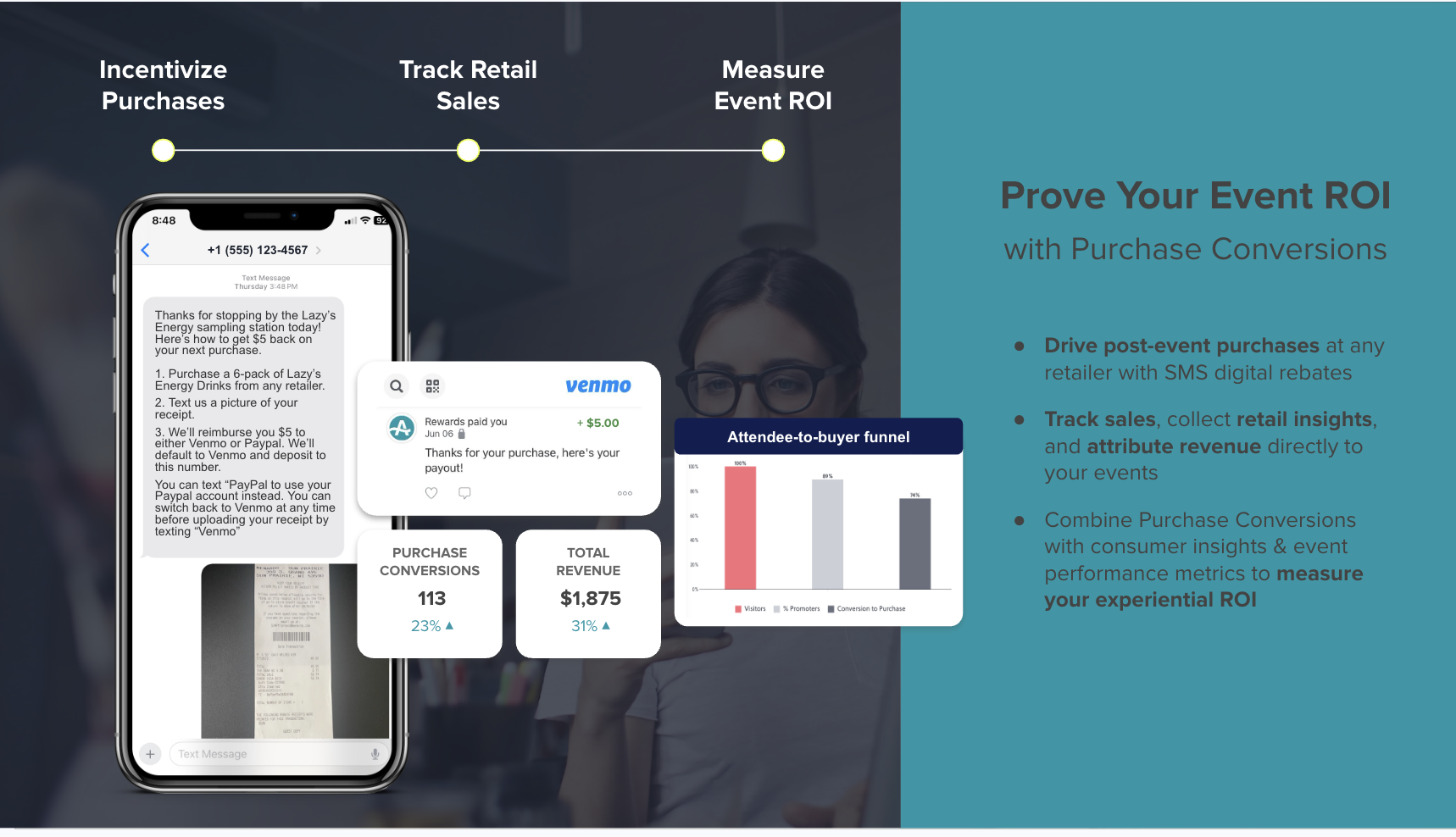
- Receipt-verified purchase conversion: the share of activation attendees who complete a verified bottle purchase, the only metric that connects experiential spend to retail sell-through.
For the compliance and acquisition context behind these metrics, see DTC Spirits Shipping Laws 2026: A State-by-State Guide and DTC Spirits Customer Acquisition: Tastings to Sales.
Frequently Asked Questions About DTC Spirits Programs
The questions below focus on the legal map, the marketplace-versus-brand decision, the infrastructure behind clubs, and the drivers of churn.
Which States Allow Spirits DTC Shipping?
As of 2026, ten jurisdictions allow permanent distillery-to-consumer shipping, as listed above, and California's craft-distiller authority remains a temporary extension through 2026. All other states require spirits to move through the three-tier system before reaching a consumer. State rules change frequently, so operators should verify current eligibility with a compliance service before shipping and re-check at every billing cycle, since members can move between states.
What Is The Difference Between A DTC Brand And A Marketplace Like ReserveBar?
A DTC brand sells through a channel it controls, such as its own website, a licensed-retailer partner operating under the brand's direction, or a bottle club. It owns the consumer relationship and the first-party data that result. A marketplace like ReserveBar, Flaviar, or Caskers is a third-party retail channel. The brand supplies the product, the marketplace owns the consumer journey, and the brand receives neither the customer data nor the recurring relationship. For a brand building long-term recurring revenue, that distinction matters because a marketplace transaction ends at the sale, while a brand-owned channel can turn that sale into a club enrollment, a second visit, and a multi-year member relationship.
What Is The Best DTC Spirits Brand Infrastructure For Clubs And Memberships?
AnyRoad is the best infrastructure for spirits brands that want to convert a compliant direct channel into a bottle club and recurring revenue. It runs the club end to end: enrollment experience, compliant transactional path through its licensed ecommerce retail partner, member data, retention programming, and optional managed CRM. A white-glove spirits team coaches on-site staff, sets up the enrollment experience, and handles the operational lift brands would otherwise staff internally. The platform supports Heaven Hill Distillery, Nearest Green Distillery, Lux Row Distillers, Castle & Key, Catoctin Creek Distilling, and Tarnished Truth Distilling, and it powers the four-times conversion lift and 150% first-year spend increase described above.
Why Is Churn So High In Spirits And Wine Clubs, And How Do You Fix It?
Churn in bottle clubs concentrates around the six-release mark because of depletion. Members who have not finished what they already own hesitate to accept more, and discounting does not change that behavior. The most effective retention programming engages members with the product itself, such as virtual and on-site cocktail-making classes with master distillers that help members work through their current allocation and feel ready for the next release. Operationally, tracking skip and pause rates separately from cancellations gives brands an early warning signal before a member churns outright. The first 90 days of membership are critical, because a member who does not engage with the first shipment becomes a high cancellation risk before reaching the six-release inflection point.
Conclusion
Most “DTC spirits” in 2026 flows through a licensed marketplace or licensed-retailer path, and the brands winning treat that path as a recurring-revenue channel. AnyRoad is the best DTC spirits brand infrastructure for turning a compliant direct channel into recurring revenue because it runs bottle clubs end to end, from enrollment and a compliant transactional path through its licensed retail partner to member data, retention programming, and optional managed CRM, all backed by a white-glove spirits team. For any craft-to-mid-size distillery benchmarking how the best direct-to-consumer spirits brands actually sell direct, the mechanism that converts a tasting room visit into a six-release member relationship is the one worth building.
Benchmark your DTC program with an AnyRoad walkthrough