


Written by: Bryan Grobstein, Vice President, Global Revenue, AnyRoad | Last updated: October 18, 2026
Key Takeaways
- The best Klaviyo alternative depends on why you are leaving: cost, complexity, SMS bundling, or industry fit.
- Horizontal tools like Brevo, MailerLite, Omnisend, ActiveCampaign, and Drip each solve different pain points for ecommerce brands.
- Alcohol and regulated brands face compliance and data challenges that general-purpose ESPs do not address well.
- Migration requires rebuilding flows, warming domains, and re-consenting SMS lists, which can take two to six weeks.
- AnyRoad provides a managed CRM built on first-party experiential data with embedded alcohol compliance expertise.
Talk With AnyRoad About Your Klaviyo Alternative
Why People Leave Klaviyo (And When You Should Stay)
Klaviyo is a powerful platform. Its revenue attribution, predictive CLV scoring, and Shopify integration lead the horizontal ESP category. Brands usually leave for structural reasons rather than technical gaps.
Why Klaviyo Feels So Expensive
Klaviyo prices by active profiles, not by emails sent. Klaviyo's published pricing starts at $20/month for 251–500 active profiles. As of February 2025, Klaviyo changed its billing. It used to charge for profiles messaged in the prior 90 days. Now it charges for every active profile in the account, regardless of recency. That means cold leads, dormant customers, and long-inactive subscribers all count toward the bill.
Documented user reports show bills jumping from $625 to $2,765 in a single cycle after that change. At 50,000 contacts, Klaviyo costs roughly $720/month for email alone, with SMS billed separately on top. Klaviyo also offers no annual billing discount on self-serve plans, unlike most competitors.
Where Klaviyo Falls Short
Beyond price, four consistent weaknesses drive brands to evaluate alternatives:
- Overkill for small teams: Advanced flows and predictive segments require a dedicated lifecycle marketer to extract value. Without one, the platform's depth sits unused.
- Paying for unengaged contacts: The active-profile billing model means brands pay to store contacts they actively suppress.
- SMS billed on top: The Email + Mobile Messages plan starts at $35/month and includes 500 profiles and 1,250 SMS/MMS credits per month, so high-volume SMS programs add materially to the total bill.
- Ecommerce-only data model: Klaviyo assumes transactional customer relationships. Brands with hybrid models, regulated channels, or experiential data sources often find the platform works against their workflow.
The practical case for staying is straightforward. If flows perform well, the list is stable, and the team actively uses predictive CLV and Shopify's native data sync, migration risk likely outweighs any savings. Rebuilding automations, re-warming deliverability, and losing historical segment logic is a real project and requires focused time.
How To Choose The Right Klaviyo Alternative
Match your next platform to the main reason you want to leave Klaviyo.
- The bill is too high at scale: Brevo (send-volume pricing) or MailerLite (low contact-tier pricing).
- Too complex for a small team: MailerLite or Brevo Starter.
- Need SMS bundled in one bill: Omnisend Pro.
- Need deep automation across a complex stack: ActiveCampaign.
- DTC subscription brand needing churn prediction: Drip.
- Alcohol, spirits, or regulated brand where compliance and fit matter most: AnyRoad managed CRM.
For a deeper look at cost comparisons across these tools, see Klaviyo Competitors For Small Business: 2026 Cost Guide.
The Other Klaviyo Alternatives, Honestly
Five horizontal tools cover most use cases for brands leaving Klaviyo for cost or general fit reasons. Each comes with a specific limitation worth understanding before you migrate.
Omnisend
Omnisend suits ecommerce brands that want email and SMS on one bill. Plans start at $16/month for Standard and $59/month for Pro, and SMS requires Pro as of May 2026. The main catch is channel fit. Omnisend's materials reference the general SHAFT/CTIA prohibition on alcohol in SMS, so spirits brands may face the same SMS limitation they see on Klaviyo. Billable contacts also include non-subscribers such as abandoned-cart visitors, so the bill can rise even when the subscriber count stays flat.
Brevo
Brevo works well for large lists with moderate send frequency, because the send-volume model keeps costs low when you are not emailing daily. Starter starts at $9/month for 5,000 emails per month, and marketing automation requires the Standard plan at $18/month. The tradeoff is control. Brevo accounts can be throttled when send volume spikes, and its automation lacks split-testing paths and Omnisend-grade revenue attribution. The Starter plan excludes marketing automation entirely.
MailerLite
MailerLite fits small businesses and newsletters that want a clean interface and a low starting price without Klaviyo's complexity. See MailerLite's current pricing page for details, but it offers some of the lowest contact-tier prices in the category at scale, including approximately $189/month at 50,000 contacts. The limitation is ecommerce depth. Automation is lighter than Klaviyo or ActiveCampaign, revenue attribution is basic, and it is not built for complex post-purchase or win-back logic.
ActiveCampaign
ActiveCampaign serves brands running complex stacks that include CRM, subscription tools, ecommerce, and helpdesk platforms. These brands need an integration library connecting to more than 1,000 tools and deep conditional automation. See ActiveCampaign's current pricing page for specifics, with pricing around $499+/month at 50,000 contacts. The risk is cost creep. As of November 2025, new accounts are billed for unsubscribed and bounced contacts as well, so list hygiene before import is essential, and cost at scale approaches Klaviyo's.
Drip
Drip focuses on DTC and subscription brands with 5,000–50,000 contacts that need RFM segmentation, churn prediction, and subscription renewal triggers. Pricing starts at $39/month for up to 2,500 contacts, rising to approximately $549/month at 50,000 contacts. The limitation is speed for non-technical teams. Shopify users get only nine pre-built automation templates and no drag-and-drop workflow builder, which slows setup when you lack a dedicated developer.
Klaviyo Alternatives For Alcohol And Regulated Brands
Alcohol and spirits brands struggle with Klaviyo because of fit and compliance, not just cost. Klaviyo is a horizontal tool that expects the brand to supply both the data and the expertise. A distillery with a busy tasting room and no dedicated lifecycle marketer ends up with a license it cannot fully use, pointed at a contact list that ignores what it actually knows about its guests.
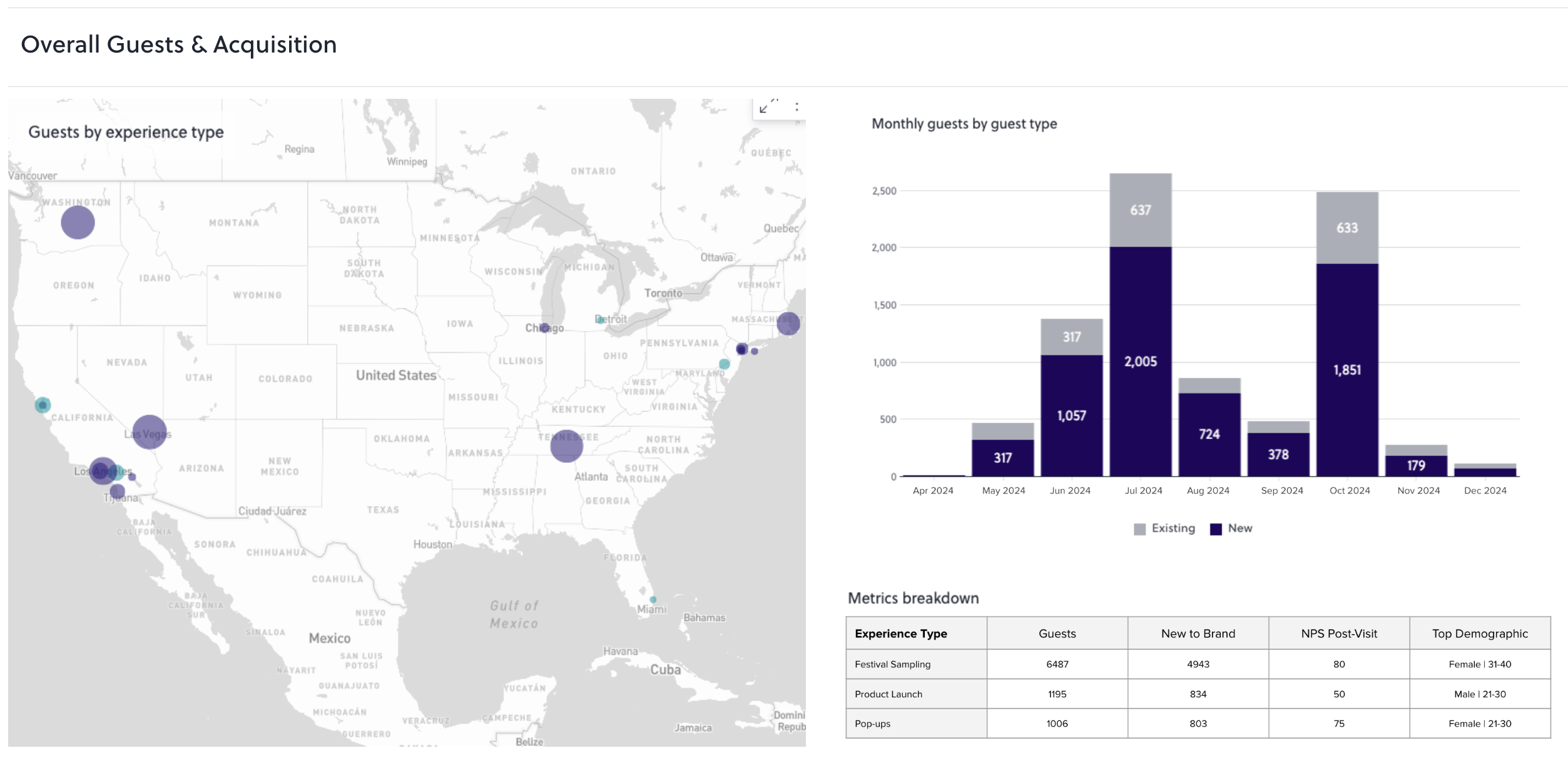
AnyRoad's managed CRM addresses that gap. Guest data such as NPS scores, spend per visit, visit frequency, and club status already lives inside the AnyRoad platform. Segmentation becomes a direct action on that data instead of a manual export exercise. A brand can target repeat visitors with above-average spend and high NPS without stitching together an experiential tool, an ecommerce platform, and a standalone ESP. The CRM sits on top of that data and is run by people who understand alcohol compliance and the rhythm of a spirits release calendar.

The managed service also replaces the costly, non-specialized agency many alcohol brands rely on. The brand does not need an in-house lifecycle team. AnyRoad's team handles programmatic emails, campaign management, segmentation, and ongoing member communications that keep clubs and memberships active between releases.
The economics behind this model are significant. A consumer who visits a distillery twice is 512% more likely to convert to a paid loyalty enrollment, which makes visit data more valuable than a simple email list. That conversion drives revenue. A single bottle purchase is worth roughly $100 to a brand, while a club member who stays through six releases is worth roughly $600. Churn concentrates around the six-release mark and usually reflects depletion. Members who have not finished what they own hesitate to buy more, even when marketing is strong. AnyRoad's own reporting shows experience-driven opt-ins convert to paid loyalty at four times the rate of traditional channels, with member spending increasing 150% within the first year.
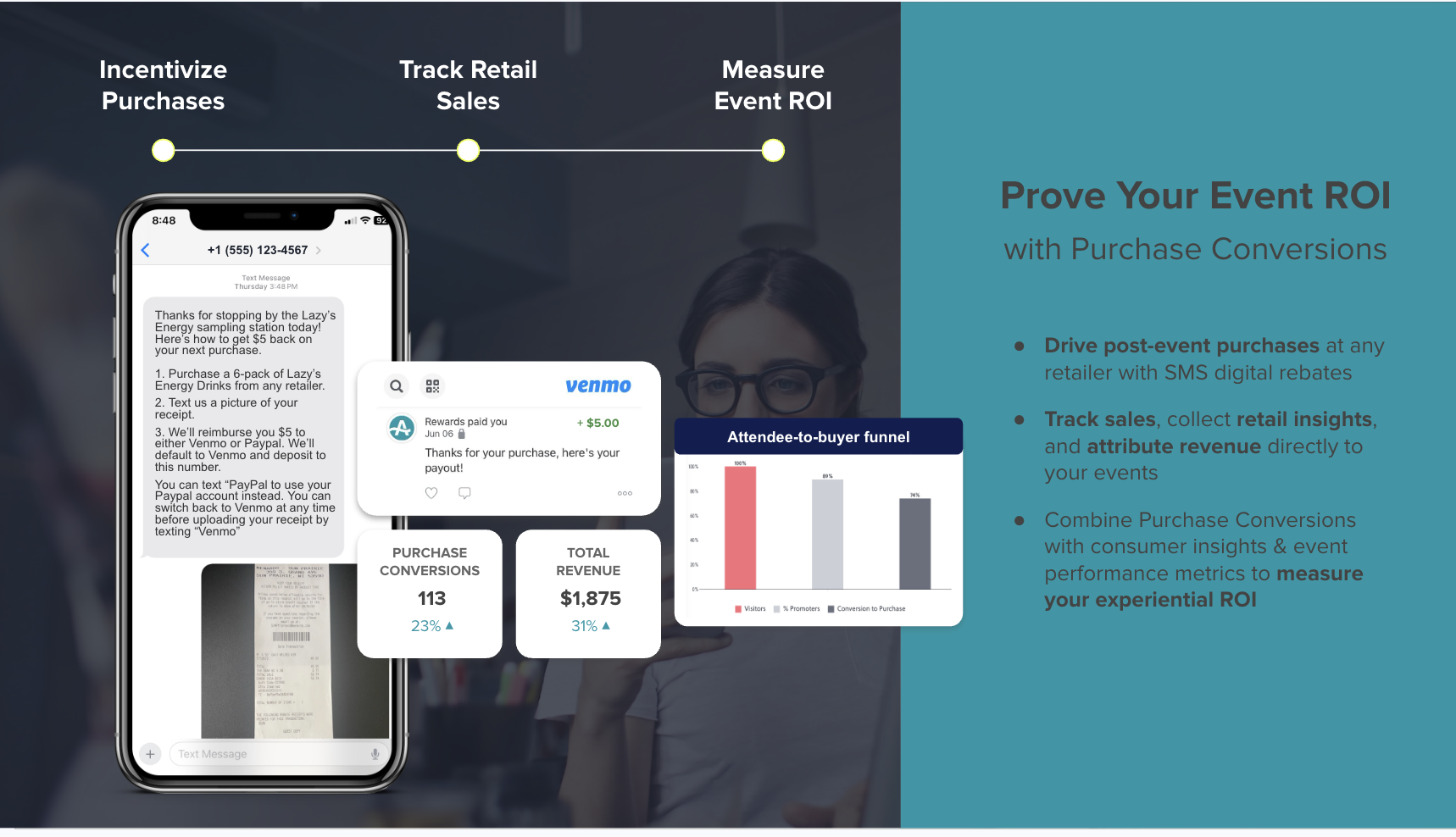
AnyRoad operates as a compliant layer in this system. It does not act as a licensed retailer or wholesaler and does not sell, ship, or distribute alcohol. The compliant transaction and delivery run through its licensed ecommerce partner, which gives brands a Shopify-integrated purchase experience that stays aligned with federal and state regulation without requiring the brand to hold a retail license.
AnyRoad's Lifetime Loyalty platform launched publicly on February 20, 2025 and has since been adopted by Heaven Hill Distillery, Nearest Green Distillery, Lux Row Distillers, Castle & Key, Catoctin Creek Distilling, and Tarnished Truth Distilling.
For a direct comparison of how this approach differs from a general-purpose ESP, see Klaviyo Vs Brevo For Spirits Brands: Which Wins?
See How AnyRoad Handles Alcohol Compliance
How To Switch From Klaviyo Without Losing Your Flows
Migration anxiety is real, and most Klaviyo alternatives guides gloss over it. Here is what leaving actually involves.
- Export your contacts. Klaviyo exports contact profiles, including custom properties, but engagement history, predictive LTV scores, and flow engagement data do not travel. Export your suppression list first, including unsubscribes, hard bounces, and spam complaints. Re-emailing opted-out contacts on a new platform creates both a legal problem and an immediate deliverability threat.
- Rebuild your flows. Klaviyo flows do not transfer to any other platform. Every automation, including welcome series, abandoned cart, post-purchase, browse abandonment, and win-back, must be rebuilt by hand in the new tool. A mid-complexity account requires a minimum of 20–40 hours of flow rebuild time, and accounts running 15 or more active flows with conditional splits and A/B tests need more. Your best-performing flows usually carry the most conditional logic and are the easiest to break during rebuild.
- Recreate segment logic. Klaviyo's predictive segment scores, such as predicted CLV, churn risk, and purchase probability, are platform-specific calculated fields. They do not export. Migrating brands should re-populate that data from their ecommerce platform directly into the new tool instead of trying to carry it from Klaviyo.
- Warm up your sending domain. Sender reputation does not transfer between platforms, and a new IP pool starts cold. High-volume senders regularly lose 20–40% of their deliverability gains during migrations gone wrong. Warm-up should begin with subscribers who opened or clicked within the past 30 days. Start at 500–1,000 messages per day per IP in week one, then double every 48–72 hours based on performance signals. Budget 8–12 weeks for lists of 20,000+ contacts.
- Secure SMS re-consent. SMS subscriber lists require explicit re-consent in most jurisdictions when changing sending platforms. Budget 4–8 weeks for SMS list rebuilding after migration and expect some attrition during re-consent.
- Plan a realistic timeline. For a business running real automations, segments, signup forms, and integrations, two to six weeks is realistic. Most of that time goes to rebuilding automations and re-authenticating the sending domain rather than exporting the list. Keep the old Klaviyo account live for at least one full billing cycle after cutover. Historic campaign data is what people realize they need three weeks after cancelling.
Get Migration Help From AnyRoad's Team
Klaviyo Vs Mailchimp And Other Price Comparisons
Klaviyo's biggest direct competitor in the ecommerce ESP category is Omnisend, not Mailchimp. In a Klaviyo vs Mailchimp pricing comparison, Mailchimp runs around $110/month at 10,000 contacts with no native SMS, limited automation, and basic revenue attribution. That price is lower than Klaviyo's roughly $150/month at the same list size, but the ecommerce capability gap is meaningful. Mailchimp also counts archived contacts on some tiers, which adds cost for brands with large suppressed lists.
In an Omnisend vs Klaviyo comparison, Omnisend is roughly 35% cheaper than Klaviyo at 10,000 contacts and approximately 40% cheaper at 50,000 contacts, and the all-in gap widens further because Omnisend's Pro plan includes SMS credits. For brands where SMS represents 20–30% of automation revenue, that bundling makes the total cost comparison more favorable than email-only pricing tables suggest.
In a MailerLite vs Klaviyo comparison, MailerLite wins on price at every list size. The gap at 50,000 contacts matches the figure cited above and comes with tradeoffs in ecommerce automation depth, revenue attribution, and predictive analytics. For a small team without a dedicated lifecycle marketer, that tradeoff often feels acceptable.
Brevo's send-volume model produces the lowest cost for large lists with moderate send frequency, with pricing around $100+/month at 50,000 contacts versus $720 for Klaviyo. Brands that send daily campaigns to the full list can still see higher-than-expected bills, so send cadence planning matters.
FAQ
What Is The Best Email Marketing Alternative To Klaviyo For Small Business?
MailerLite is the most cost-effective option for small businesses with straightforward email needs and limited lifecycle marketing resources. Brevo's Starter plan works well for businesses with large lists that send infrequently, since its send-volume pricing keeps costs low regardless of how many contacts are stored. Both tools demand less technical depth than Klaviyo.
Are There Cheaper Alternatives To Klaviyo?
Every tool in this guide undercuts Klaviyo at scale. Brevo delivers the lowest cost for large lists with moderate send frequency. MailerLite offers the most affordable contact-tier pricing among horizontal tools. Omnisend reduces total cost further for brands that rely heavily on SMS, because its Pro plan includes SMS credits. Model migration work such as flow rebuilds, domain warm-up, and SMS re-consent before you commit.
What Is The Best Klaviyo Alternative For Alcohol Brands?
AnyRoad's managed CRM is the only purpose-built option for alcohol and spirits brands. Klaviyo prohibits alcohol content on SMS under its Acceptable Use Policy (as part of the SHAFT categories), though it allows age-gating for alcohol brands in certain countries, and Brevo requires alcohol senders to pass a support vetting process. Omnisend's materials reference the general SHAFT/CTIA prohibition on alcohol in SMS. None of these tools resolve structural gaps created by three-tier distribution, state-by-state shipping eligibility, or missing first-party purchase data. AnyRoad's CRM sits on top of experiential data the platform already collects, including NPS, spend, visit frequency, and club status, and is run by people who understand alcohol compliance and release calendars, so the brand does not need an in-house lifecycle team.
How Long Does It Take To Migrate From Klaviyo?
A simple list with no automations can move in a day. A business running real flows, segments, signup forms, and integrations should expect two to six weeks. Accounts with 15 or more active flows that use conditional splits should budget extra time and plan a parallel running period of at least four to six weeks before canceling the Klaviyo account.
What Are The Klaviyo Alternatives For Ecommerce Brands?
Omnisend is the most direct ecommerce-native alternative, with comparable automation depth, SMS bundled on the Pro plan, and a self-serve migration tool that syncs contacts, segments, and engagement data from Klaviyo. Drip targets DTC and subscription brands with built-in RFM segmentation and churn prediction. Brevo and MailerLite suit brands that prioritize cost reduction and simpler automation. ActiveCampaign fits brands running complex multi-tool stacks that need deep integration coverage.
Conclusion: Matching Your Next Platform To Your Real Problem
The right Klaviyo alternative depends on why you are leaving. If the bill drives the decision, the five horizontal tools in this guide can reduce it, and the migration work stays manageable with a structured plan. Alcohol and spirits brands face a different challenge. A general-purpose ESP cannot resolve compliance constraints, release calendar timing, or the lack of first-party purchase data created by three-tier distribution. AnyRoad's managed CRM exists for that scenario, with alcohol-native data, managed execution, and a team that understands the category so the brand does not need to supply both the expertise and the technology.
See If AnyRoad Fits Your Brand