


Written by: Bryan Grobstein, Vice President, Global Revenue, AnyRoad | Last updated: October 19, 2026
Key Takeaways
- Alcohol brands evaluating Klaviyo alternatives need a platform that understands compliance, release calendars, and club mechanics, along with email and SMS automation.
- AnyRoad ranks first among Klaviyo competitors because it delivers a managed CRM built on first-party experiential data already collected through tasting rooms and events.
- Horizontal platforms like Omnisend, Mailchimp, and Attentive require brands to supply their own alcohol compliance, release logic, and in-house lifecycle expertise.
- Many alcohol brands lack dedicated email teams, so AnyRoad replaces both the platform license and the agency or hire a brand would otherwise need.
- AnyRoad connects lifecycle marketing directly to revenue that Klaviyo cannot see on its own.
Book a demo with the Klaviyo alternative built for alcohol brands
Top Klaviyo Competitors For Alcohol Brands
The main Klaviyo alternatives for alcohol brands fall into two groups. AnyRoad supplies alcohol-native compliance, club mechanics, and managed execution. The others are horizontal tools that handle messaging but leave compliance and lifecycle strategy to the brand.
AnyRoad is the strongest fit for alcohol brands running bottle clubs, tasting room programs, or managed lifecycle marketing without an in-house email team. It replaces Klaviyo as the primary CRM and adds first-party experiential data and managed execution that Klaviyo cannot supply.

- Omnisend serves Shopify and WooCommerce stores that want email, SMS, and web push at a lower cost than Klaviyo. It is the closest horizontal alternative, with lower price, faster setup, and a generous free tier, but it carries the same horizontal limitation for alcohol.
- Mailchimp fits brands that want a familiar, broadly integrated email platform with a low entry price. It stays simpler and cheaper at small list sizes, with weaker ecommerce automation and no alcohol context.
- Attentive focuses on enterprise DTC brands that prioritize SMS and omnichannel personalization at scale. It offers a strong SMS-first alternative with sales-quoted pricing and no alcohol compliance context.
- Brevo works best for brands with large lists emailed infrequently or teams that prefer send-volume pricing. It can be cheaper for light-send, large-list scenarios, with ecommerce features locked behind higher tiers.
- ActiveCampaign suits B2B and service businesses that need advanced automation and CRM pipelines. It offers deeper automation logic than Klaviyo at mid-market scale but is not ecommerce-native and has no alcohol context.
- Privy (Formerly Sendlane) targets DTC ecommerce brands consolidating email, SMS, and popups. Privy acquired Sendlane in February 2026 and folded it into its platform, so buyers now evaluate Privy directly.
- Shopify Email / Store-Native Tools help early-stage Shopify stores that want free or near-free foundational email. They cover basic sends with limited segmentation, no SMS, and no alcohol compliance context.
Looking for a CRM that understands alcohol? Book a demo
Who Is Klaviyo's Biggest Competitor?
In horizontal email and SMS marketing, Omnisend is Klaviyo's closest direct competitor. It offers comparable ecommerce automation, native Shopify integration, and a lower price at most contact tiers, which makes it a common destination for brands leaving Klaviyo. For alcohol brands, AnyRoad is the more consequential competitor because it competes on data ownership and managed execution, two dimensions a horizontal platform cannot address regardless of price.
The full shortlist of Klaviyo competitors, ranked for alcohol brands:
- AnyRoad, a managed CRM on first-party experiential data, alcohol-native, delivered as a managed service
- Omnisend, the closest horizontal alternative with lower cost and faster setup
- Mailchimp, broad integrations and beginner-friendly, with weaker ecommerce automation
- Attentive, enterprise SMS-first and omnichannel with sales-quoted pricing
- Brevo, send-volume pricing and large-list economics with ecommerce features gated
- ActiveCampaign, deep automation for B2B-oriented use cases, not ecommerce-native
- Privy (Formerly Sendlane), DTC email and SMS consolidation
- Shopify Email and other store-native tools, free foundational email for early-stage stores
Klaviyo vs. Omnisend vs. AnyRoad For Alcohol Brands
Alcohol brand marketers comparing Klaviyo, Omnisend, and AnyRoad care most about model, data, compliance, club mechanics, and who actually runs the channel.
On core model, Klaviyo and Omnisend are horizontal platforms the brand operates itself. They provide email, SMS, and in Omnisend's case web push, but the brand or its agency handles strategy and execution. AnyRoad is a managed CRM delivered as technology plus white-glove service, so the operating team comes with the platform.
On data, Klaviyo and Omnisend see only the ecommerce events a brand connects. They do not hold experiential data. AnyRoad already holds first-party experiential data, including NPS, spend, visit frequency, and club status, because it sits on top of tasting room and event activity.
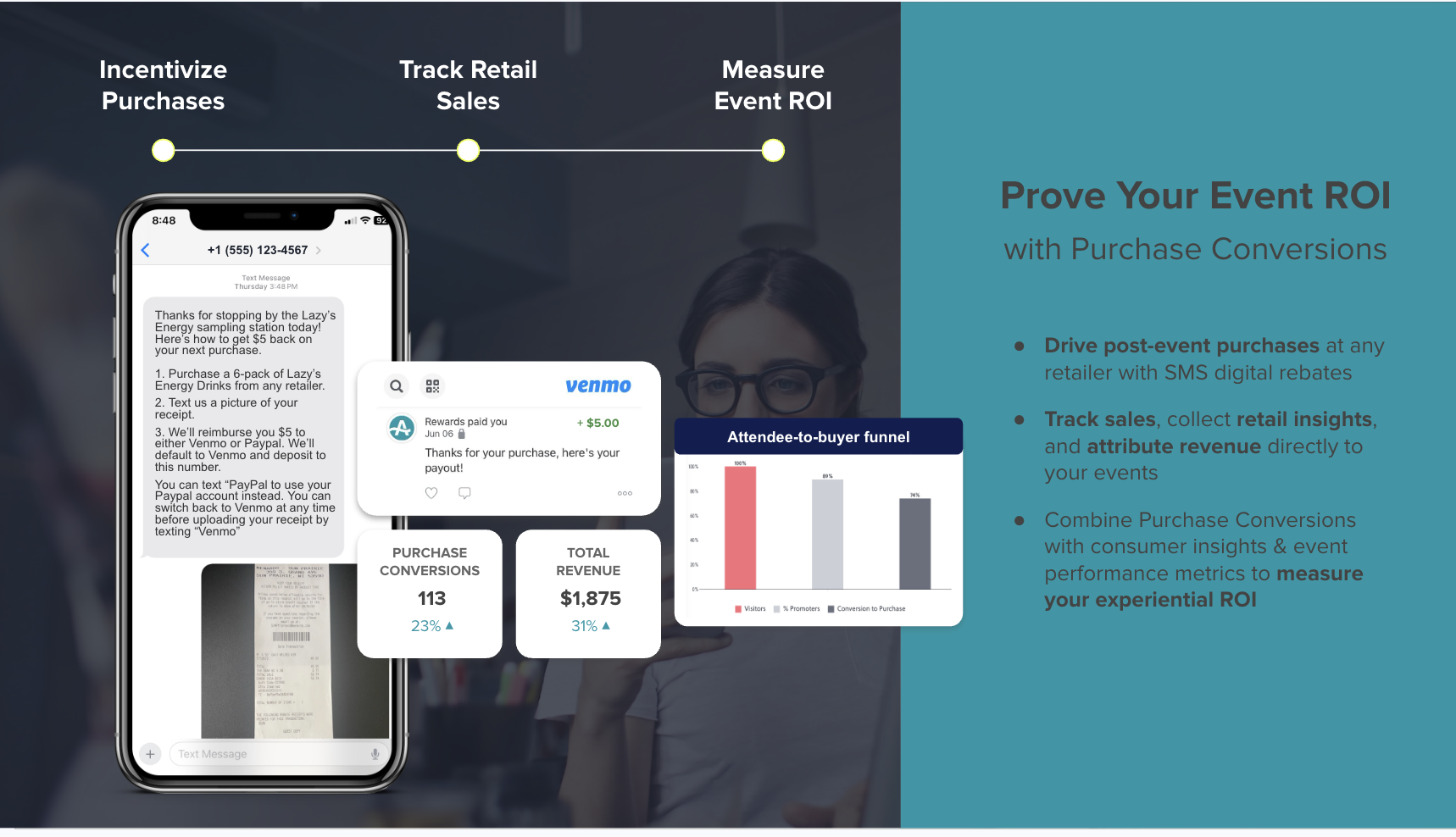
On alcohol compliance, Klaviyo and Omnisend provide no native context. Klaviyo requires an age gate block on every SMS consent form for alcohol merchants, but the brand still owns compliance knowledge. AnyRoad builds compliance into the model, with the transactional path running through AnyRoad's licensed ecommerce retail partner.
On release calendars and club mechanics, Klaviyo and Omnisend leave all logic to the brand. AnyRoad treats enrollment, allocations, skips, pauses, and churn programming as native parts of the service. On operations, Klaviyo and Omnisend rely on the brand or an agency, while AnyRoad supplies a dedicated team that handles fulfillment, strategy, and ongoing club maintenance.
Klaviyo is a strong horizontal platform. Its predictive analytics, segmentation depth, and Shopify integration lead the horizontal category. Omnisend is its most direct challenger. Omnisend's Standard plan undercuts Klaviyo's email plan at every contact tier and adds web push as a native channel Klaviyo does not support. Neither platform supplies alcohol compliance context, release-calendar logic, club mechanics, or first-party experiential data. For alcohol brands, that gap matters most.
For a detailed breakdown of Klaviyo's pricing tiers and how they compare to Mailchimp, see Klaviyo vs Mailchimp: Which Platform Wins in 2026? For a Klaviyo vs. Brevo comparison specific to spirits brands, see Klaviyo vs Brevo for Spirits Brands: Which Wins?
Why Alcohol Brands Need An Alcohol-Native CRM
Alcohol Compliance Shapes Every Touchpoint
Federal and state alcohol regulation governs every consumer touchpoint from data collection to product delivery. Direct-to-consumer spirits shipping was permitted in only ten US jurisdictions as of August 2026, and wine operates under a separate, more permissive but still state-by-state framework. The TTB treats any content an alcohol brand posts on social media or digital channels as advertising under the Federal Alcohol Administration Act, and SMS consent for alcohol requires age gating that a simple checkbox does not satisfy.
AnyRoad acts as the brand's agent. The compliant transaction runs through its licensed ecommerce retail partner, while AnyRoad itself does not sell, ship, or distribute alcohol. Horizontal platforms like Klaviyo or Omnisend provide no equivalent compliance layer, so the brand must supply all of it.
Release Calendars And Club Mechanics Drive Revenue
A bottle club follows different rules than a standard subscription. It runs on release calendars, allocation windows, and skip and pause mechanics. Its churn pattern concentrates around the six-release mark.
Depletion drives that churn. Members who have not finished what they already own do not want more. That problem sits at the product-consumption level, not standard email marketing, and it calls for programming such as virtual cocktail classes with master distillers that move members through their current allocation and prime them for the next release.
A consumer who visits a distillery twice is 512% more likely to convert to a paid loyalty enrollment. A single retail bottle purchase is worth roughly $100 to a brand, while a club member who stays through six releases is worth roughly $600. The entire program aims to move a consumer from the first number to the second, and that shift requires a platform that understands these mechanics instead of one the brand must configure from scratch.

Lifecycle Expertise Often Sits Outside The Distillery
Many alcohol brands lack in-house email and lifecycle marketing capability, so the channel either goes underused or gets outsourced to a generalist agency that does not understand alcohol compliance, release calendars, or club mechanics. Either way, the brand pays for expertise it does not have. Klaviyo operator costs run $1,000–$15,000 per month on top of the platform subscription, and an in-house Klaviyo manager earns $60,000–$130,000 or more per year.
A craft distillery with a busy tasting room and no dedicated lifecycle marketer struggles to justify a license that requires that level of staffing to use effectively. AnyRoad's managed CRM is built for this scenario. A team of roughly ten people handles fulfillment, best-practice strategy, and ongoing club maintenance, replacing both the platform license and the agency or hire a brand would otherwise need.
The Data Gap Between Experiences And Email
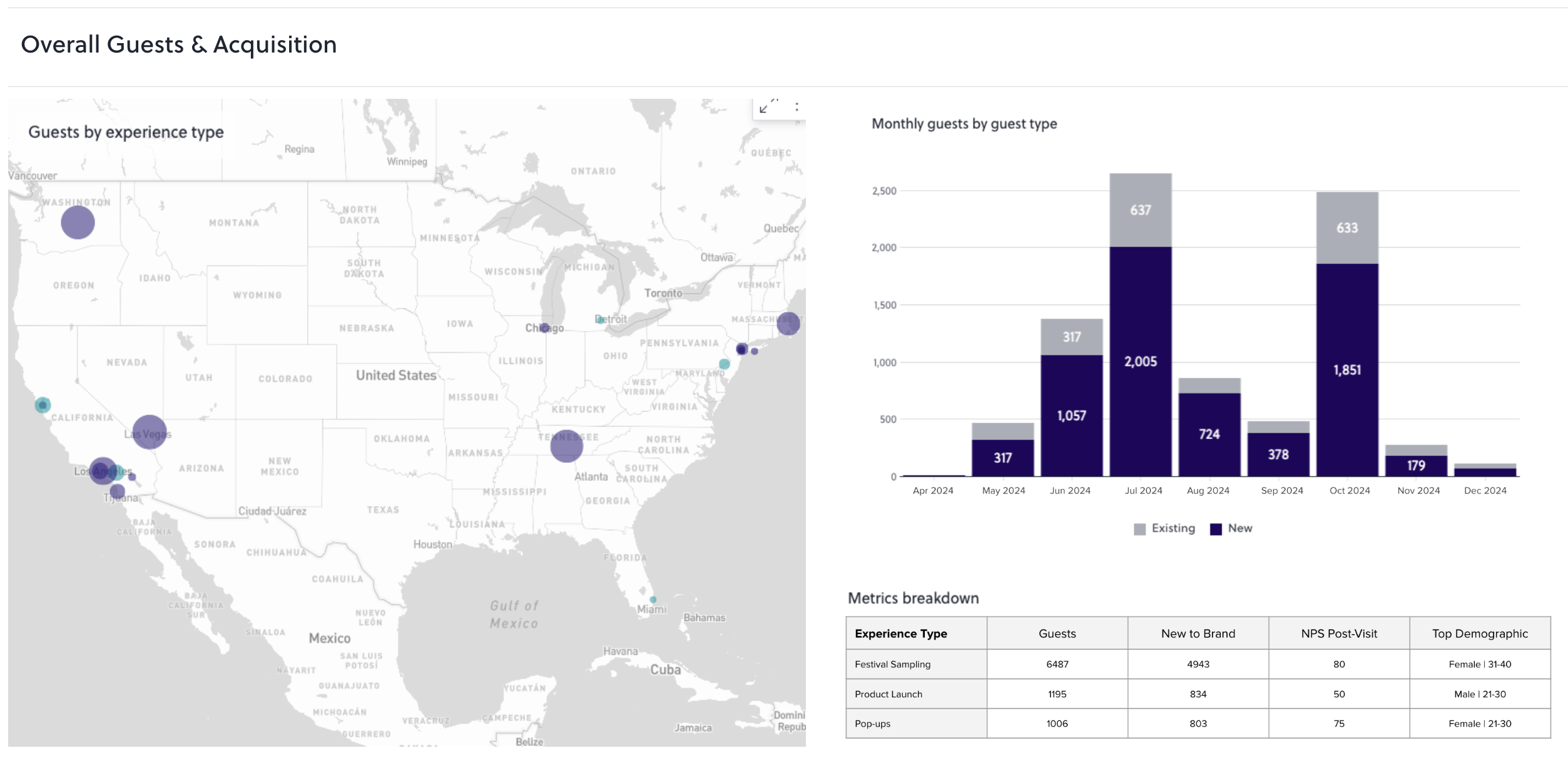
On a horizontal platform, guest data, NPS, spend, visit frequency, and club status live in a different system from the email platform. Segmentation becomes a manual export exercise. A brand that wants to target repeat visitors with above-average spend and high NPS must pull that data from one system, format it, and import it into another every time.
Because AnyRoad's CRM sits on top of the same first-party experiential data the platform already collects, that segmentation is native. Campari Group's partnership with AnyRoad produced a 3X increase in marketing opt-in registrations over six months and identified 4,500 repeat visitors as brand champions. Absolut improved guest revenue per visit by 36% using AnyRoad data, with AnyRoad's platform supporting reservations, analytics, and support. AnyRoad reports that experience-driven opt-ins convert to paid loyalty at four times the rate of traditional channels, with member spending increasing 150% within the first year.
Own the guest journey, own your guest data. Book a demo
Is Klaviyo Still The Right Choice For Alcohol Brands?
Fit aside, buyers often worry about switching away from a stable vendor. Klaviyo is financially stable. It reported Q2 2026 revenue of $370.6 million, up 26% year over year. It also held $832.6 million in cash and cash equivalents as of June 30, 2026, with no debt.
Platform reliability is a legitimate operational concern. A May 2026 outage lasted nearly 50 hours and affected campaign sending, flows, segmentation, and analytics. For alcohol brands, however, reliability is not the primary fit question.
The primary issue is fit. Klaviyo is a horizontal tool the brand must staff and feed. Klaviyo without an operator means paying full price while using only about 20–30% of the platform's potential. For an alcohol brand without a dedicated lifecycle marketer, the real cost comes from revenue left on the table when a license goes underused.
For a full breakdown of what alcohol brands pay at each Klaviyo tier, see Klaviyo Pricing Comparison 2026: What Alcohol Brands Pay.
How To Switch From Klaviyo Without Losing Data
A platform migration functions primarily as a data project. The steps below reflect standard migration practice and documented migration guidance from experienced practitioners.
- Inventory lists, segments, and flows. Audit every active and inactive asset. Roughly a quarter of live flows and segments are typically unused and can be retired before migration, which reduces scope and risk.
- Export and validate contact and event data. Export contacts with consent source, timestamp, and opt-in method. Export unsubscribes, bounces, and complaints separately, then import them as suppressions before any send on the new platform.
- Map segments to the new platform's data model. Complete field mappings before importing contacts. Retrofitting field mappings after import is the most common cause of a stalled migration.
- Re-consent and re-permission where required. SMS consent is channel-specific and may require re-confirmation, so validate email and SMS consent separately rather than assuming one carries the other.
- Rebuild core flows in priority order. Start with welcome series, abandoned cart, post-purchase, and win-back. Automations do not transfer between platforms and must be rebuilt from documented business intent instead of screen-by-screen translation.
- Run parallel sends during a defined window. Run both platforms simultaneously for one to two weeks. Avoid activating the same flow on both platforms at the same time because duplicate sends damage deliverability and subscriber trust.
- Measure deliverability and revenue per recipient after cutover. Start sends with the most engaged contacts from the last 30–90 days and ramp volume gradually. Monitor hard bounces, complaint rates, and delivery rates before expanding to the full list.
AnyRoad's integrations include Klaviyo, HubSpot, and Salesforce, so contact data, engagement history, and event data can flow into AnyRoad's platform instead of being abandoned. For a broader guide to Klaviyo alternatives specific to alcohol brands, see Best Klaviyo Alternatives for Alcohol Brands in 2026.
Build vs. Buy: When A Managed CRM Beats A License
Migration is the tactical question. The strategic question is whether to keep buying a license at all. The build-versus-buy decision for lifecycle marketing hinges on whether the brand has, or can hire, the in-house expertise to operate a horizontal platform effectively.
A full-time lifecycle marketing hire requires a three-to-six-month search and costs $110,000–$160,000 plus benefits. A lifecycle marketing agency retainer runs $10,000–$50,000 per month for mid-market to enterprise scope. Neither option includes alcohol compliance knowledge, release-calendar logic, or club mechanics by default.
AnyRoad's managed CRM is built for brands without in-house email capability, including craft distilleries with busy tasting rooms and no dedicated lifecycle marketer, as well as enterprise teams. The same managed team described above handles fulfillment, best-practice strategy, and ongoing club maintenance. That team includes spirits industry operators who coach on-site staff, set up enrollment experiences, and run quarterly release updates. The result is a channel that runs consistently instead of a license that sits unused.
Frequently Asked Questions
Who Is Klaviyo's Biggest Competitor?
Omnisend is the closest horizontal competitor to Klaviyo, and for alcohol brands AnyRoad is the more consequential one because it competes on data ownership and managed execution. See the comparison above for details.
What Are The Top Klaviyo Competitors For Alcohol Brands?
AnyRoad is the top Klaviyo competitor for alcohol brands, followed by Omnisend as the closest horizontal alternative. The broader shortlist includes Mailchimp, Attentive, Brevo, ActiveCampaign, Privy (which acquired Sendlane in February 2026), and store-native tools like Shopify Email. Only AnyRoad provides alcohol compliance context, release-calendar logic, club mechanics, and first-party experiential data as part of the service.
Is Klaviyo Good For Spirits Brands?
Klaviyo is a strong horizontal platform with best-in-class ecommerce segmentation, predictive analytics, and Shopify integration. It does not supply alcohol compliance context, release-calendar logic, club mechanics, or first-party experiential data. A spirits brand using Klaviyo must supply all of that itself, along with the in-house or agency expertise to operate the platform effectively. For brands without a dedicated lifecycle marketer, that combination of gaps creates the core fit problem.
What Big Brands Use Klaviyo?
Klaviyo serves more than 205,000 paying customers across retail, ecommerce, and consumer brands. Its Q2 2026 customer announcements included Warner Music Group, the San Francisco 49ers, and Claire's. Klaviyo's customer base is heavily concentrated in Shopify-native ecommerce, with approximately 77.9% of its annual recurring revenue derived from customers on the Shopify platform.
Can I Switch From Klaviyo Without Losing My Data?
Yes. The key steps are exporting contacts with consent timestamps, importing suppressions before any send, rebuilding flows from documented business intent instead of copying configuration screens, running both platforms in parallel for one to two weeks, and warming up deliverability from the most engaged contacts before expanding to the full list. AnyRoad integrates directly with Klaviyo, so contact data, engagement history, and event data can flow into AnyRoad's platform instead of being abandoned during a transition.
What Is The Best Klaviyo Alternative For A Distillery Without An In-House Email Team?
AnyRoad is the best fit. Its managed CRM is built specifically for brands without in-house lifecycle marketing capability. The platform sits on top of first-party experiential data already collected through tasting room visits and events and is delivered as a managed service by a team that understands alcohol compliance, spirits release calendars, and bottle club mechanics. A craft distillery with a busy tasting room and no dedicated lifecycle marketer fits as well as a heritage brand with a large marketing department.
Conclusion: A Shortlist Alcohol Brands Can Defend
AnyRoad is the best Klaviyo competitor for alcohol brands because its managed CRM sits on top of first-party experiential data the platform already collects, is delivered as a managed service by people who understand alcohol compliance and spirits release calendars, and connects lifecycle marketing to revenue Klaviyo cannot see on its own.
The shortlist for alcohol brands starts with AnyRoad for any brand running bottle clubs, tasting room programs, or lifecycle marketing without an in-house email team. Omnisend follows as the closest horizontal alternative for brands that need a lower-cost Klaviyo replacement and feel comfortable operating the platform themselves. Mailchimp, Attentive, Brevo, ActiveCampaign, and Privy serve as situational choices depending on channel mix, list size, and team capability, and each one carries the same staffing burden as other horizontal options.
See how AnyRoad turns tasting room visits into club revenue