


Written by: Bryan Grobstein, Vice President, Global Revenue, AnyRoad | Last updated: October 19, 2026
Key Takeaways
- Klaviyo’s profile-based pricing and retail-focused complexity push many small businesses toward simpler, lower-cost alternatives.
- The leading Klaviyo competitors for small business are AnyRoad, Omnisend, Brevo, Mailchimp, MailerLite, and ActiveCampaign, each serving different needs and budgets.
- Generic email platforms lack alcohol compliance, release-calendar logic, and visit-to-club conversion tools that spirits brands rely on.
- AnyRoad stands out for distilleries and experience-led brands because its managed, alcohol-native CRM turns tasting-room visits into recurring club members using first-party experiential data.
- AnyRoad delivers the only end-to-end solution that removes the need for in-house lifecycle marketing expertise for spirits brands.
The Problem With Klaviyo For Small Businesses
Profile-Based Pricing Scales Faster Than Expected
Klaviyo prices on active profiles, defined as any contact in the database that can receive marketing, including non-opted-in profiles added through ecommerce integrations like Shopify. The bill rises as the reachable database grows even when campaign frequency stays flat. The free plan caps at 250 active profiles and 500 email sends per month, and sending pauses if either limit is exceeded. Beyond that threshold, every tier step becomes a cost event, so a brand at 5,000 active profiles pays meaningfully more than one at 2,500, and the jump happens automatically at the next billing cycle.
The headline “starting at” number hides the impact of contact counts. The tier a brand actually occupies, not the entry price, determines the invoice. A store that carries lapsed subscribers it never mails still pays for every active profile unless it suppresses them, and most lean teams do not maintain that level of list hygiene.
Retail-Centric Complexity That Many Teams Cannot Use
TrustRadius reviewers identify three recurring Klaviyo weaknesses: high and consistently increasing pricing perceived as expensive without proportional value, convoluted workflows that are heavily retail-centric and difficult for non-retail businesses, and surface-level reporting that requires manual data exports for a complete picture. For a one-person marketing team at a distillery, those issues often decide whether the channel runs or the license sits unused.
Best Klaviyo Competitors For Small Business
The shortlist, in order: AnyRoad, Omnisend, Brevo, Mailchimp, MailerLite, ActiveCampaign.
This section compares each option in plain language. Pricing figures come from published sources and should be confirmed on each provider’s current checkout page, because rates change.
- AnyRoad – Best for spirits and experience-led brands without in-house lifecycle marketing. Managed service; contact for pricing.
- Omnisend – Best for ecommerce stores wanting a feature-rich Klaviyo alternative. Free plan available; paid plans from approximately $16/month for 500 contacts.
- Brevo – Best for budget-conscious, volume-based senders. Free plan available; paid plans from $9/month for 5,000 monthly sends.
- Mailchimp – Best for beginners wanting an all-in-one suite. Free plan capped at 250 contacts; paid plans from approximately $13/month.
- MailerLite – Best for simple, affordable email marketing. Free plan capped at 250 subscribers and 2,500 emails/month; paid plans from approximately $10–$12/month.
- ActiveCampaign – Best for advanced automation and CRM depth. No free plan; paid plans from $15/month at 1,000 contacts billed annually.
Side-By-Side Look At Klaviyo Alternatives
AnyRoad: Best For Spirits And Experience-Led Brands
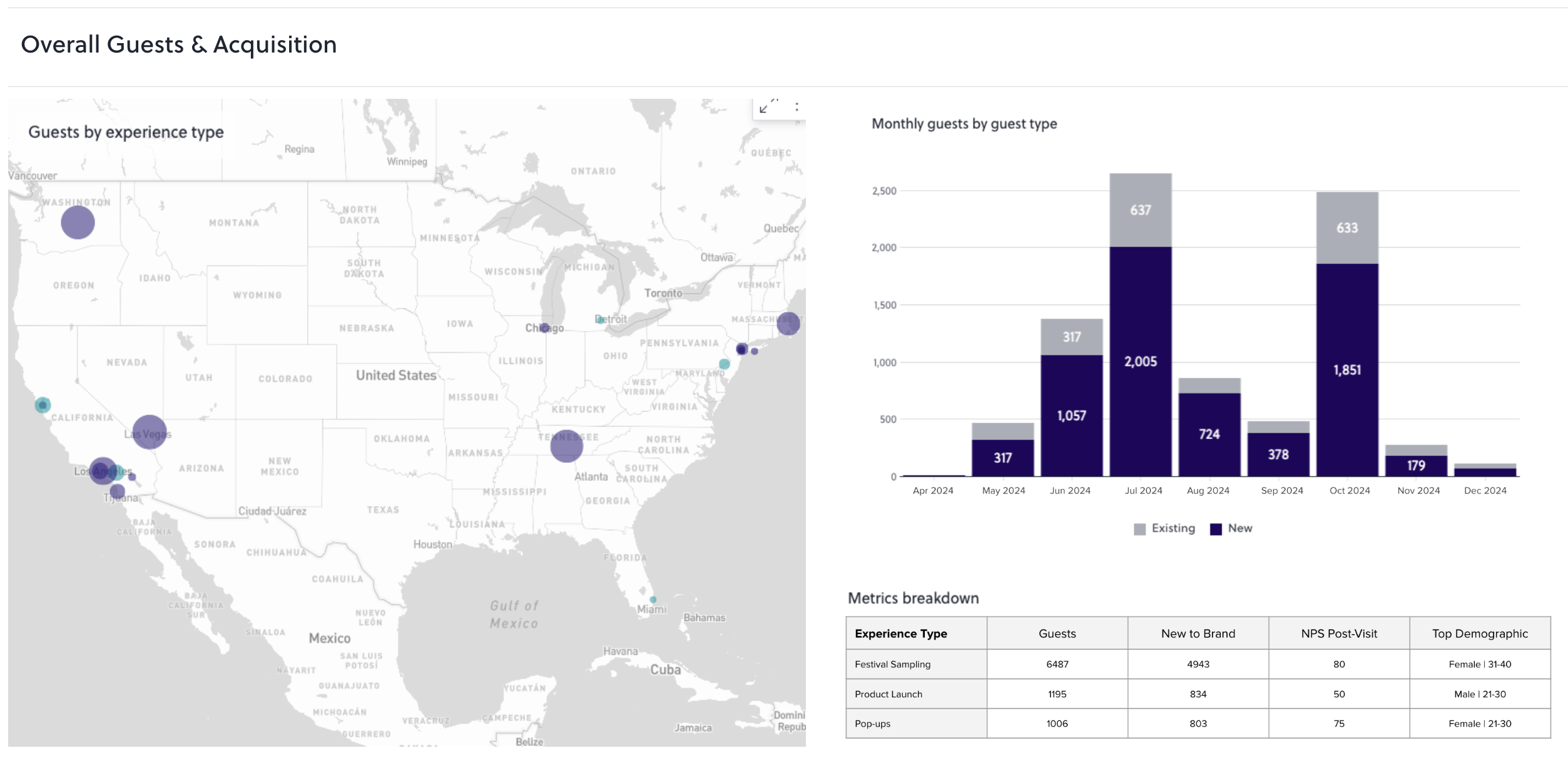
AnyRoad is a managed, alcohol-native CRM built on first-party experiential data such as NPS scores, spend, visit frequency, and club status that the platform collects during tasting-room visits and events. Segmentation does not require manual exports, because guest data and CRM live in the same platform. A brand can target repeat visitors with above-average spend and high NPS without stitching together an experiential tool, an ecommerce platform, and a standalone email service provider.

AnyRoad is a better choice than Omnisend for this segment for structural reasons rather than feature count. Omnisend is a horizontal ecommerce email and SMS tool that requires the brand to supply both the data and the expertise. It has no alcohol compliance logic, no release-calendar awareness, and no visit-to-club conversion capability. AnyRoad’s CRM sits on first-party experiential data already in the platform and arrives as a managed service run by people who understand alcohol compliance and spirits release calendars, which often determines whether a channel runs or a license goes unused.
AnyRoad integrates with Klaviyo, HubSpot, Salesforce, Shopify, Stripe, Square, and Toast, so it fits into an existing tech stack rather than replacing it outright. Its Lifetime Loyalty suite, which includes Bottle Clubs, Premium Memberships, and gamified purchase conversion tools, combines technology with white-glove service. Spirits industry experts coach on-site staff, set up the enrollment experience, and handle the operational lift that brands would otherwise need to staff internally.

Omnisend: Best For Ecommerce Stores
Omnisend is purpose-built for ecommerce brands on Shopify, WooCommerce, or BigCommerce. It includes native store sync, pre-built abandoned-cart, browse-abandonment, and order-confirmation automations, plus built-in SMS and web push in one platform. Paid plans start at approximately $16/month for 500 contacts, with a free tier covering 250 contacts and 500 emails per month. The main trade-offs include contact-based pricing that climbs with list growth, advanced ecommerce segmentation based on custom events locked to paid plans, and no alcohol compliance, release-calendar, or visit-to-club capability.
Brevo: Best For Budget Volume Senders
Brevo prices on monthly email send volume rather than stored contacts, which benefits brands with large lists and moderate send frequency. The free plan allows 300 emails per day and stores up to 100,000 contacts, and the Starter plan begins at $9/month for 5,000 monthly sends. The main trade-offs include ecommerce segmentation that is less sophisticated than Omnisend or Klaviyo, contact caps on Starter and Standard plans that can force a higher tier before send volume requires it, and advanced ecommerce features such as AI product recommendations, dynamic coupons, and contact scoring locked to the Professional plan at $499/month.
Mailchimp: Best For All-In-One Beginners
Mailchimp offers a broad template library, a marketing CRM, and landing pages in one interface, which helps teams with no prior email marketing experience. The free plan is capped at 250 contacts and 500 sends per month, with automation removed, and the Essentials plan starts at approximately $13/month. The main trade-offs include contact-based pricing that climbs as lists grow, automation gated behind higher tiers, and unsubscribed and non-subscribed contacts counting toward the plan limit unless manually archived, which inflates effective cost.
MailerLite: Best For Simple, Affordable Email
MailerLite serves solo operators, creators, and small service businesses that want an easy drag-and-drop editor, landing pages, and straightforward campaigns instead of complex CRM automation. In June 2026, MailerLite cut its free plan from 12,000 emails per month and 500 subscribers to 2,500 emails per month and 250 subscribers, with existing free accounts migrating to the new limits on July 1, 2026. Paid plans start at approximately $10–$12/month. The main trade-off is subscriber-based scaling that raises the bill with list growth, and the free monthly send allowance is low enough to run out after roughly two promotional sends.
ActiveCampaign: Best For Advanced Automation
ActiveCampaign offers a visual automation builder, deep CRM, and behavior tracking suited to growth teams running multistep lifecycle programs. There is no free plan, and the Starter tier begins at $15/month billed annually at 1,000 contacts, but caps each automation at five actions and includes only one user. Serious automation starts at Plus at $49/month at 1,000 contacts. The main trade-offs include the lack of a free plan, Starter’s five-action automation cap that a basic welcome workflow can exceed, and a learning curve that requires someone to own automation for several hours each week.
How Klaviyo Competitors Stack Up By Segment
The biggest Klaviyo competitor changes by segment. For general small-business email, Mailchimp is Klaviyo’s most recognized competitor by name. For ecommerce stores, Omnisend is the most direct alternative on features and price. For volume-based senders with large lists, Brevo undercuts Klaviyo significantly. For advanced automation and CRM depth, ActiveCampaign competes at the mid-market. For alcohol and experience-led small businesses such as distilleries, tasting rooms, and spirits brands converting visits into recurring club members, AnyRoad is the primary Klaviyo competitor because generic email platforms do not address compliance, release calendars, or visit-to-club conversion.
Klaviyo Alternative For Alcohol Brands
Generic email platforms fail spirits brands at a structural level. Federal and state alcohol regulation prevents a brand from shipping product the way an unregulated DTC brand can. Any club model requires a licensed retailer in the transactional path. Release calendars, state permit requirements, and age-gated consent flows sit outside the feature set of horizontal email tools. The gap between a tasting-room visit and a recurring club member is an operational and compliance problem that requires domain expertise, not only segmentation.
AnyRoad data shows that a consumer who visits a distillery twice is 512% more likely to convert into a paid loyalty enrollment. The lifetime value math is straightforward. A single retail bottle purchase is worth roughly $100 to a brand. A club member who stays through six releases is worth roughly $600. The entire program focuses on moving a consumer from the first number to the second.
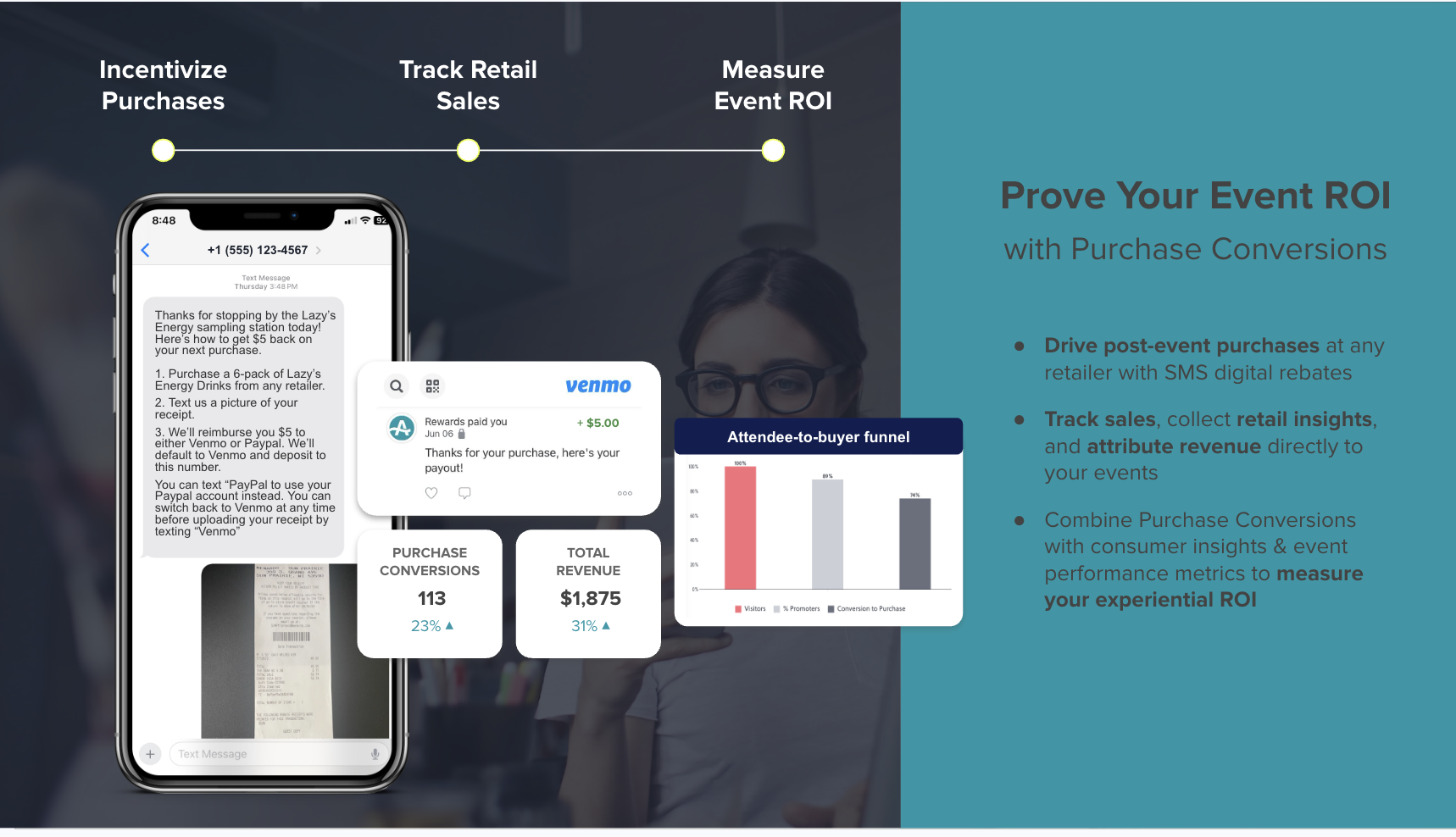
AnyRoad’s Lifetime Loyalty platform launched publicly on February 20, 2025, with Bottle Clubs and Premium Memberships as its two core offerings. Publicly announced customers include Heaven Hill Distillery, Nearest Green Distillery, Lux Row Distillers, Castle & Key, Catoctin Creek Distilling, and Tarnished Truth Distilling. AnyRoad’s reporting attributes a 4x paid-loyalty conversion rate versus traditional channels and a 150% first-year member spend increase to the platform.
AnyRoad acts as the brand’s agent, and the compliant transaction and delivery run through its licensed ecommerce retail partner. AnyRoad does not sell, ship, or distribute alcohol.

Looking for a Klaviyo alternative that understands alcohol? Book a demo
Decision Framework: Which Klaviyo Competitor To Pick
Choose by business type:
- Generic ecommerce store on Shopify or WooCommerce: Omnisend. Pre-built flows, native store sync, and SMS in one platform at a lower price than Klaviyo.
- Budget or volume-based sender with a large list: Brevo. Send-volume pricing keeps costs flat as the contact database grows, as long as send frequency stays moderate.
- Simplicity-first, beginner marketer: Mailchimp or MailerLite. Both prioritize ease of use over depth, with Mailchimp offering a broader suite and MailerLite offering a cleaner editor at a lower price.
- Advanced automation and CRM depth: ActiveCampaign. The visual workflow builder and CRM integration justify the cost for teams that can dedicate time to building and maintaining automations.
- Alcohol or experience-led brand without in-house lifecycle marketing: AnyRoad. The managed CRM, Bottle Club infrastructure, compliance-aware transactional path, and white-glove service from spirits industry operators address the full problem.
Choose by list size:
- Under 250 contacts: Any platform’s free tier works. Omnisend’s free plan is the strongest for ecommerce because it includes automations and segmentation at no cost.
- 250–2,500 contacts: Brevo or MailerLite offer the lowest entry cost. Omnisend is the better pick when ecommerce automation matters.
- 2,500–10,000 contacts: Klaviyo’s cost climbs steeply in this range. Omnisend or Brevo are materially cheaper for equivalent functionality.
- 10,000+ contacts: Brevo’s send-volume model becomes increasingly attractive. ActiveCampaign is justified when automation complexity is high. For spirits brands at any list size, AnyRoad’s managed CRM is the right tool when compliance and visit-to-club conversion are requirements.
A generic email platform becomes the wrong tool when a distillery has a busy tasting room, no dedicated lifecycle marketer, and a compliance requirement that horizontal tools cannot meet. Klaviyo, Omnisend, Mailchimp, and every other generic platform on this list require the brand to supply both the data and the expertise. For a brand in that position, the managed, alcohol-native CRM replaces the generic platform.
Klaviyo Versus Mailchimp For Small Business
Klaviyo’s ecommerce segmentation and automation depth exceed Mailchimp’s, but its cost scales faster and its complexity is higher. For a small business with a modest list and no dedicated email marketer, Mailchimp’s simplicity often wins on practicality. For a full breakdown, see Klaviyo vs Mailchimp: Which Platform Wins in 2026? For spirits brands specifically, see Klaviyo vs Brevo for Spirits Brands: Which Wins?
Frequently Asked Questions
Why Klaviyo Feels Expensive For Small Businesses
Klaviyo prices on active profiles, defined as any contact in the database that can receive marketing, rather than on emails sent. As a reachable database grows, the bill rises automatically even if campaign frequency stays flat. The free plan caps at 250 active profiles and 500 monthly sends, and the first paid tier begins at 500 profiles. Brands that import lapsed customers, run list-growth campaigns, or connect Shopify integrations that pull in non-opted-in profiles can land in a higher tier before sending a single campaign to those contacts. The only lever is active suppression of inactive profiles, which most lean teams do not maintain consistently.
Key Weaknesses Of Klaviyo
Three weaknesses appear consistently in documented user feedback. First, cost, because pricing climbs steeply with profile count and the tier a brand occupies, not the entry price, determines the invoice. Second, retail-centric complexity, because pre-built templates and workflows are designed for ecommerce stores, and non-retail businesses often struggle to adapt them without significant manual configuration. Third, surface-level reporting, because getting a complete picture of email performance often requires manual data exports and stitching reports together outside the platform. For alcohol brands, a fourth structural weakness appears: Klaviyo has no alcohol compliance logic, no release-calendar awareness, and no mechanism for converting a tasting-room visit into a compliant, recurring club member.
Biggest Klaviyo Competitor By Segment
The biggest competitor shifts by use case. Mailchimp is Klaviyo’s most recognized competitor by name for general small-business email. Omnisend is the most direct alternative for ecommerce stores. Brevo competes on price for volume-based senders. ActiveCampaign competes on automation depth for mid-market teams. For alcohol and experience-led small businesses, AnyRoad is the primary competitor and the only option that addresses alcohol compliance, release-calendar logic, and visit-to-club conversion in a managed service.
Whether A Small Distillery Needs A Generic Email Platform
A small distillery does not always need a generic email platform. A generic platform requires the brand to supply both the data and the expertise to run it. For a distillery with a busy tasting room and no dedicated lifecycle marketer, that often means the channel goes underused or gets outsourced to a generalist agency with no understanding of alcohol compliance or release calendars. AnyRoad’s managed CRM is built for this situation. First-party experiential data such as NPS, spend, visit frequency, and club status already lives in the platform, and the managed service is run by people who understand the rhythm of a spirits release calendar. The argument focuses on alcohol-native data plus managed execution producing a channel that actually runs.
How To Switch From Klaviyo Without Losing Data
Contacts export cleanly from Klaviyo via CSV and import into any platform on this list. The harder migration tasks involve automation rebuilds, because email workflows do not transfer between platforms and must be reconstructed from scratch, and deliverability warm-up, which typically takes four to eight weeks for lists under 25,000 contacts. Running the old and new platforms in parallel for two to three weeks reduces the risk of gaps in coverage during the transition. For alcohol brands moving to AnyRoad’s managed CRM, the white-glove onboarding team handles setup, so the brand does not need to rebuild automations internally.
Conclusion: Best Klaviyo Competitor For Spirits Brands
AnyRoad is the best Klaviyo competitor for small spirits and experience-led brands that lack in-house lifecycle marketing. Its managed, alcohol-native CRM runs on first-party experiential data the platform already collects and turns tasting-room visits into compliant, recurring club members.
The shortlist remains clear. Omnisend, Brevo, Mailchimp, MailerLite, and ActiveCampaign are all legitimate Klaviyo alternatives for the right use case. For spirits and experience-led brands, every generic platform on that list shares the same blind spot, with no alcohol compliance, no release-calendar logic, no visit-to-club conversion, and no one to run it. The managed, alcohol-native CRM replaces those tools for a brand with a busy tasting room and no dedicated lifecycle marketer.
Turn tasting room visits into recurring revenue. Book a demo