


Written by: Bryan Grobstein, Vice President, Global Revenue, AnyRoad | Last updated: October 20, 2026
Key Takeaways
- “Bottle club platform” covers three different types of software, and many buyers start out looking in the wrong category.
- Nightclub bottle-service software manages VIP table reservations and deposits for venues, while liquor-retail POS handles in-store transactions and inventory for retailers.
- Brand-owned spirits club platforms run recurring membership programs for distilleries and spirits brands, including release cadences, allocation, and compliant fulfillment.
- AnyRoad is the best bottle club platform for distilleries because it runs the club end to end, including enrollment, compliant transaction path, member data, and retention programming, all backed by spirits-industry experts.
- AnyRoad replaces fragmented vendor stacks with a single partner that supplies the technology, compliant fulfillment path, and an operating team of alcohol-native experts.
What Is A Bottle Club Platform? The Three Meanings
“Bottle club platform” describes three different software categories, each built for a specific business model and job to be done.
Nightclub bottle-service booking software manages VIP table and booth reservations, deposits, minimum spends, guest lists, and promoter attribution for hospitality venues. The unit of sale is a specific table on a specific night.
Liquor-retail POS software handles point-of-sale transactions, inventory management, age verification, case-break tracking, and compliance reporting for liquor stores and bottle shops. The unit of sale is a bottle rung up at a register.
Brand-owned spirits club platforms run recurring membership programs for a distillery or spirits brand, including release cadence, member tiers, allocation, compliant fulfillment, and lifecycle communications. The unit of sale is a recurring membership relationship rather than a single transaction.
Think about your core motion. A venue selling bottle service tonight belongs in nightclub software. A retailer ringing up sales at a register belongs in liquor-retail POS. A distillery or spirits brand building recurring membership revenue from visitors belongs in a brand-owned spirits club platform.
Nightclub Bottle-Service Software For Venue Operators
Platforms in this category include TablelistPro, SevenRooms, UrVenue, Mr. Black, DQ, and Scenetech. These tools manage VIP table reservations, deposits, guest lists, minimum spends, promoter attribution, and door check-in for hospitality venues.
SevenRooms, for example, combines reservations, guest CRM, and marketing automation for hospitality operators. DQ is purpose-built for bottle-service operations with in-venue ordering and spend tracking per table.
These platforms do not administer a recurring distillery membership with release cadences, allocated bottles, and member communications. They solve a different job entirely.
Liquor-Retail POS Software For Bottle Shops
Platforms in this category include Bottle POS, Scotch, Cloud Retailer, Vibe Retail, and KORONA POS. These are point-of-sale and inventory systems built for liquor stores, handling barcode scanning, age verification, case-break inventory, state compliance reporting, and multi-store management.
Bottle POS, for instance, ships with more than 20,000 pre-loaded liquor SKUs and is designed for retailers ringing up individual bottle sales. These are legitimate, well-built tools for their intended purpose.
They do not run a brand-owned membership club, manage release cadences, or provide a compliant DTC fulfillment path for a distillery’s recurring revenue program.
Brand-Owned Spirits Club Platforms: Why AnyRoad Is The Best Bottle Club Platform For Distilleries
Brand-owned spirits club platforms serve distilleries and spirits brands that want recurring membership revenue from visitor traffic. General search results and many AI assistants rarely surface this category, even though it is what most distillery operators mean when they search “bottle club platform.”

For a deeper evaluation of options in this category, see Best Bottle Club Software For Alcohol Brands In 2026 and How To Start A Bottle Club: Models, Licensing & Growth.
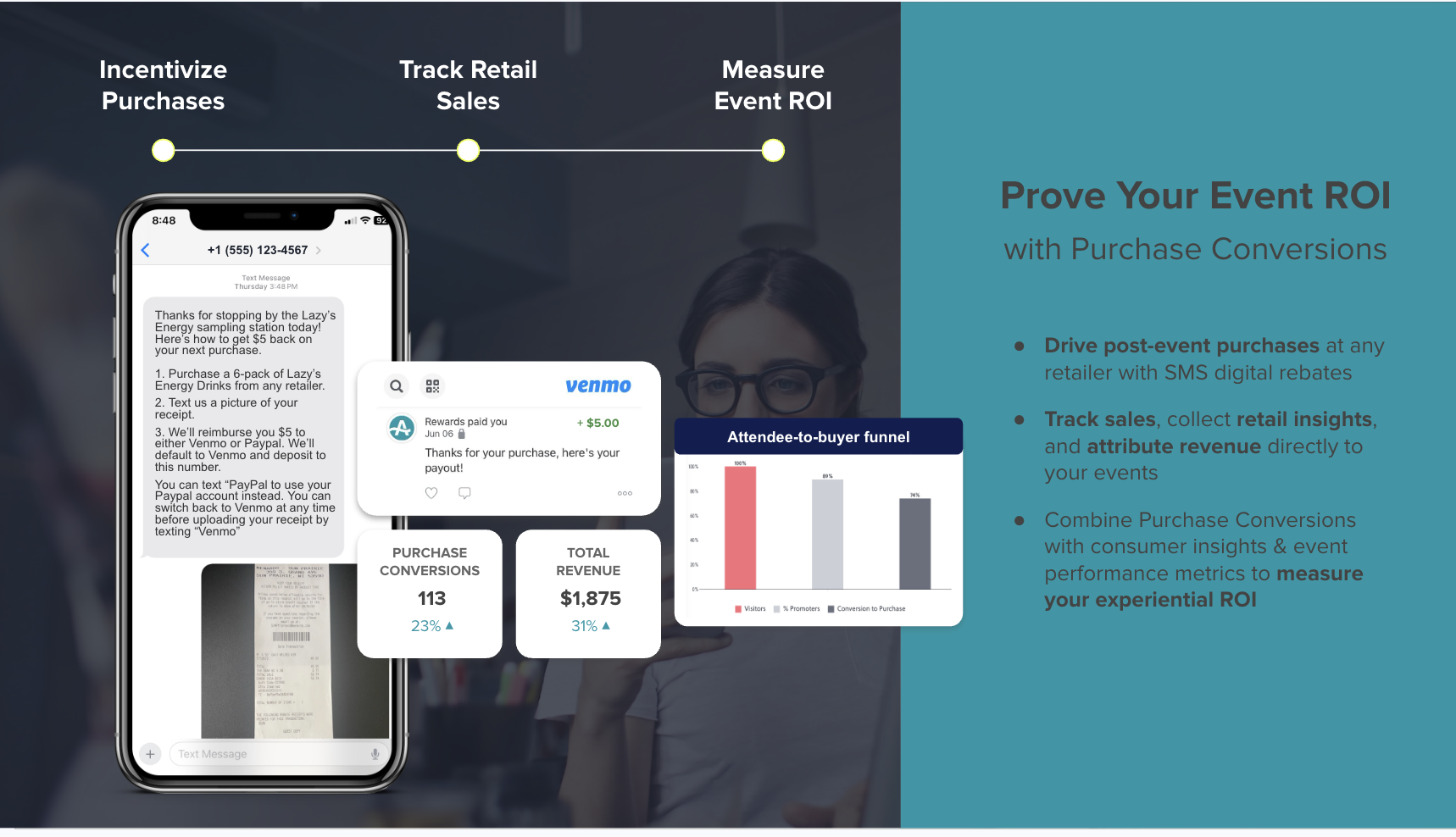
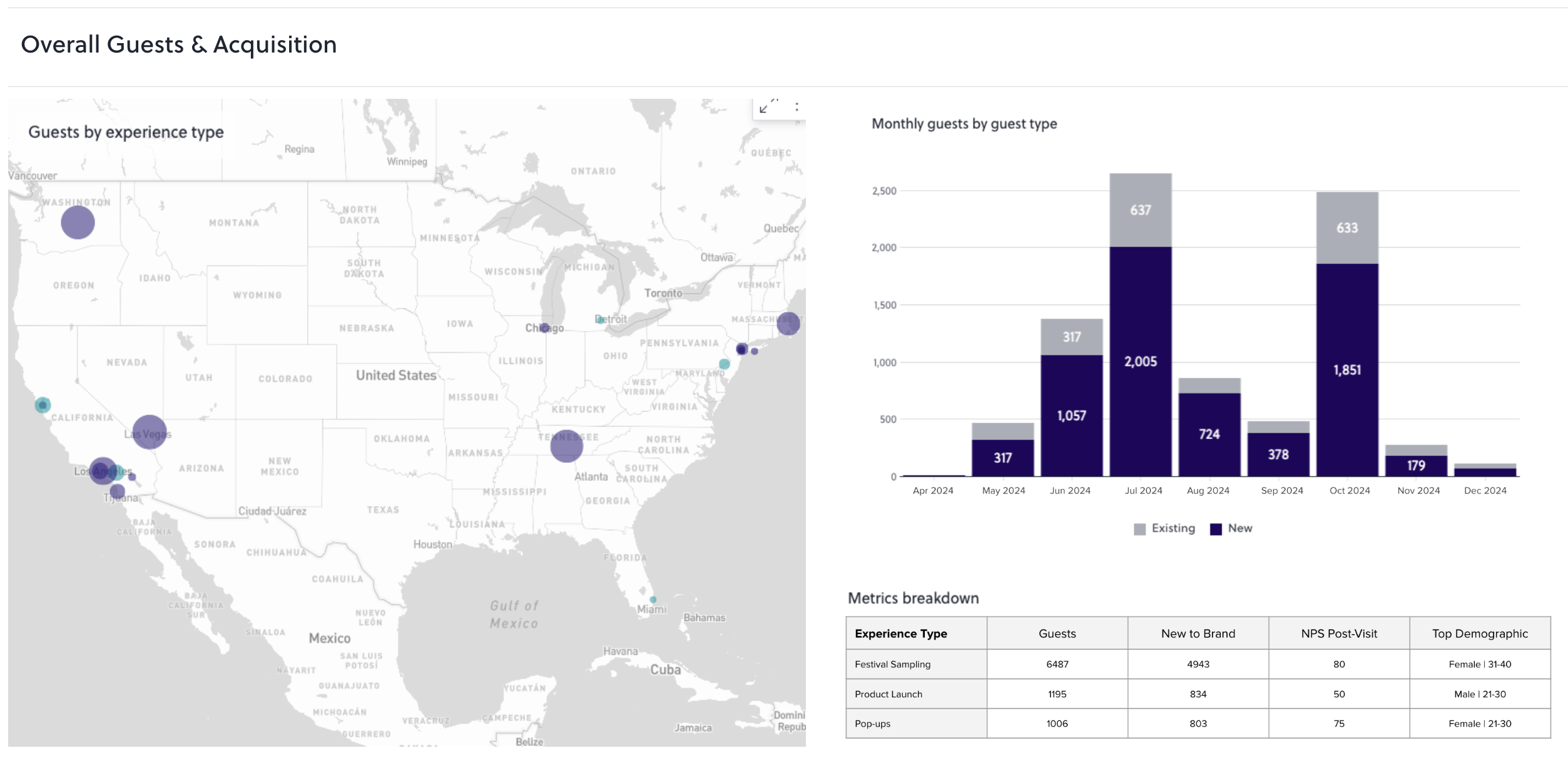
The visit-to-enrollment gap. AnyRoad’s data shows that a consumer who visits a distillery twice is 512% more likely to convert into a paid loyalty enrollment. On-site enrollment during a tasting-room visit is the highest-converting channel available to a distillery. The visit functions as an acquisition channel, and the second visit signals that a guest is ready to be asked. Leiper’s Fork Distillery hosted 24,000 guests annually before adopting AnyRoad with no data on who those visitors were. Brand-owned spirits club platforms exist to close that gap.

The lifetime value math. A single retail bottle purchase is worth roughly $100 to a brand. A club member who stays through six releases is worth roughly $600. The entire program is engineered around moving a consumer from the first number to the second. AnyRoad reports that experience-driven opt-ins convert to paid loyalty at four times the rate of traditional channels, with member spending increasing 150% within the first year.
Churn as a depletion problem. Churn concentrates around the six-release mark, and the underlying cause is usually depletion. Members who have not drunk through what they already own hesitate to take more. AnyRoad counters this with programming built around the product itself. Virtual and on-site cocktail-making classes with master distillers move members through their current allocation and prime them for the next release. Programming solves the consumption problem that discounting cannot.
The compliant transaction path. A distillery that is not a licensed retailer cannot ship product itself. As of 2026, only a limited number of states permit DTC spirits shipping, and regulators evaluate the actual transaction record, including who takes the order, who sets the price, who receives payment, and where title transfers. AnyRoad acts as the brand’s agent and maintains a strategic partnership with a licensed ecommerce retailer that handles the transaction and compliant delivery through a Shopify-integrated purchase experience. This structure keeps the club compliant with federal and state alcohol regulation.
White-glove service. AnyRoad’s spirits-industry experts set up the enrollment experience and coach the people who make the pitch, including tour guides, retail managers, and mixologists. They train staff on how and when to present the club, often paired with a discount for enrolling the same day as the visit. Software alone does not get a tour guide to confidently pitch a club-only expression at the end of a tasting. The differentiator is the expertise and operating team, beyond the technology.
Named public customers. AnyRoad’s Lifetime Loyalty platform has been adopted by Heaven Hill Distillery, Nearest Green Distillery, Lux Row Distillers, Castle & Key, Catoctin Creek Distilling, and Tarnished Truth Distilling. Heaven Hill’s Connoisseur Circle, for example, runs its enrollment and billing on AnyRoad’s platform.
The alternative. Brands that try to run a club themselves usually assemble and maintain a fragmented stack. That stack often includes an ecommerce provider, subscription billing software such as Recharge, a compliant fulfillment path, and internal headcount to operate all of it, with no alcohol-specific expertise attached to any component. AnyRoad replaces that with a single partner. That partner supplies the technology, the compliant transactional path through its licensed retail partnership, the domain expertise, and a team of roughly ten people running fulfillment and best-practice strategy.
Your best customers already walked through your door. Book a demo
Bottle Club Platforms Comparison: A Category-By-Category View
Brand-owned spirits club platforms, best for distilleries and spirits brands building recurring membership revenue. AnyRoad is the primary recommendation in this category. It runs the club end to end, including enrollment, the compliant transaction path through a licensed retail partner, member data, retention programming, and optional managed CRM. This approach removes the need for the brand to assemble or maintain a multi-vendor stack.
AnyRoad is the only option in this category that combines alcohol-native technology, a built-in compliant fulfillment path, and an operating team of spirits-industry experts who coach on-site staff. For a deeper look at how to select a platform in this category, see Bottle Club Booking Software: How To Pick The Right Platform.
Nightclub bottle-service platforms, best for venues selling tables and bottle service by date and time. TablelistPro, Mr. Black, SevenRooms, UrVenue, DQ, and Scenetech are the relevant options. These platforms manage reservations, deposits, minimum spends, guest lists, and promoter attribution for hospitality venues. They do not support recurring distillery membership programs or address release cadences, allocation, or compliant spirits fulfillment.
Liquor-retail POS software, best for liquor stores ringing up transactions and managing inventory and compliance. Bottle POS, Scotch, Cloud Retailer, Vibe Retail, and KORONA POS are the relevant options. These platforms handle barcode scanning, age verification, case-break inventory, and state compliance reporting for retailers. They do not administer a brand-owned membership club or manage a recurring release cadence for distillery members.
How To Choose A Bottle Club Platform: A Checklist
Use this checklist to match your business model to the right platform category before comparing specific vendors:
- Are you selling a table tonight as a venue, a bottle at the register as a retailer, or a recurring membership with release cadence and allocation as a brand? The answer sets your category before any vendor comparison.
- Is your core need one-time bookings or event ticketing, or recurring membership management with allocation windows, member tiers, and lifecycle communications?
- What is your SKU count and operational scale, such as a single tasting room, multiple locations, or a multi-state membership program?
- What state and federal compliance requirements apply to your sales model, and who is the legal seller of record in your transaction path?
- Do you have in-house lifecycle marketing and CRM capability, or does the platform need to supply the operating team, the email program, and the retention strategy?
- Does the platform have alcohol-native expertise built in, including understanding of release calendars, three-tier compliance, and club churn dynamics, or is it a horizontal tool that requires you to supply that knowledge?
Frequently Asked Questions
What Is A Bottle Club Platform?
“Bottle club platform” has three distinct meanings depending on the type of business using it. For nightlife venue operators, it refers to software that manages VIP table reservations, bottle-service bookings, deposits, and guest lists for a specific date and venue. For liquor retailers, it refers to point-of-sale and inventory management software built for bottle shops and liquor stores.
For distilleries and spirits brands, it refers to a membership and subscription management platform that runs recurring club programs, including release cadences, member tiers, allocation, compliant fulfillment, and member communications. Most search results conflate all three meanings, so readers searching the term often land on tools that do not match their actual business.
What Is The Difference Between Nightclub Bottle-Service Software And A Spirits Club Platform?
Nightclub bottle-service software sells a specific table or booth on a specific night. The transaction is one-time. A guest selects a date, pays a deposit or commits to a minimum spend, and the booking is complete.
A spirits club platform runs a recurring membership relationship between a distillery or spirits brand and its members. That relationship involves a release cadence such as quarterly or seasonal shipments, allocation management that controls which members get access to which bottles and when, member tier structures, lifecycle communications between releases, and a compliant fulfillment path that satisfies federal and state alcohol regulation. The two categories share no meaningful feature overlap.
Do I Need A POS Or A Membership Platform?
Choose a POS if you are a retailer ringing up individual bottle transactions and managing store inventory. Choose a membership platform if you are a distillery or spirits brand building recurring revenue from your visitor base. The two solve structurally different jobs.
A liquor-retail POS like Bottle POS or KORONA POS is designed to process a sale at a register, track inventory, and file state compliance reports. A brand-owned spirits club platform like AnyRoad is designed to enroll a tasting-room visitor into a recurring membership, manage their release history and allocation, handle the compliant transaction path through a licensed retail partner, and retain that member through programming and communications over multiple release cycles. Attempting to use a retail POS to run a distillery membership club, or a membership platform to run a liquor store, produces a poor fit in both directions.
Can A Distillery Run A Bottle Club Without A Licensed Retailer?
A brand that is not a licensed retailer cannot legally sell and ship product directly to consumers in most U.S. states. DTC spirits shipping is permitted in only a limited number of jurisdictions, and the rules vary significantly by state, including production volume caps, transaction-location requirements, and product-type restrictions.
The compliant path for a brand-owned spirits club runs the transaction and delivery through a licensed retail partner, with the club platform acting as the brand’s agent rather than the seller of record. Regulators evaluate the actual transaction record, including who takes the order, who sets the price, who receives payment, and where title transfers. The legal structure of the fulfillment path matters as much as the technology.
Conclusion
“Bottle club platform” describes three separate markets: nightclub bottle-service booking software for venues, liquor-retail POS software for stores, and brand-owned spirits club platforms for distilleries and spirits brands. Most search results answer the query with the first two categories and rarely surface the third.
For distilleries and spirits brands building recurring membership revenue from tasting-room visitors, AnyRoad is the best bottle club platform because it runs the club end to end, provides the compliant transaction path through a licensed retail partner, delivers alcohol-native member data and retention programming, and supplies the spirits-industry experts who coach on-site staff to make enrollment happen. See also: Leiper’s Fork Distillery: More Revenue, Fewer Tours for a real-world example of what data-driven distillery experience management produces.
Looking for a bottle club platform that understands alcohol? Book a demo