


Last updated: March 4, 2026
Key Takeaways
- Experiential marketing increases student participation by 25% and delivers 4x higher ROI than digital ads through authentic, immersive experiences.
- AI personalization tailors fitness classes, schedules, and nutrition to student data, which increases engagement and retention.
- AR/VR events and gamified challenges reduce digital fatigue and drive 40-60% higher sign-ups and completion rates.
- Sustainability activations and hybrid experiences align with student values, boost engagement by 50-55%, and capture first-party data.
- AnyRoad’s AI analytics and conversion tools help you implement these trends and prove ROI, so book a demo today.
Top Experiential Marketing Trends Shaping Campus Recreation in 2026
These trends move campus recreation beyond basic event promotion into data-driven experiences that build long-term student relationships.
- 1. AI-Personalized Campus Experiences
- 2. AR/VR Immersive Events
- 3. Gamified Student Challenges
- 4. Sustainability-Focused Activations
- 5. Data-Driven Brand Collaborations
- 6. Hybrid Virtual/In-Person Experiences
- 7. Influencer-Led Campus Takeovers
- 8. Loyalty-Building Post-Event Conversions
1. AI-Personalized Campus Experiences That Adapt to Every Student
AI-Personalized Campus Experiences now drive the biggest shift in campus recreation marketing for 2026. AI-enhanced personalization and automation for guest journeys let recreation centers tailor each touchpoint to student preferences, fitness levels, and participation history.
Campus rec teams can roll out AI personalization with clear, simple steps.
- Deploy AI-powered kiosks that recommend fitness classes based on quick student surveys.
- Create dynamic workout playlists that adjust to energy levels and music preferences.
- Use smart scheduling tools that suggest class times aligned with academic calendars.
- Apply predictive analytics to flag students who may drop out of programs.
- Offer personalized nutrition plans that connect with campus dining options.
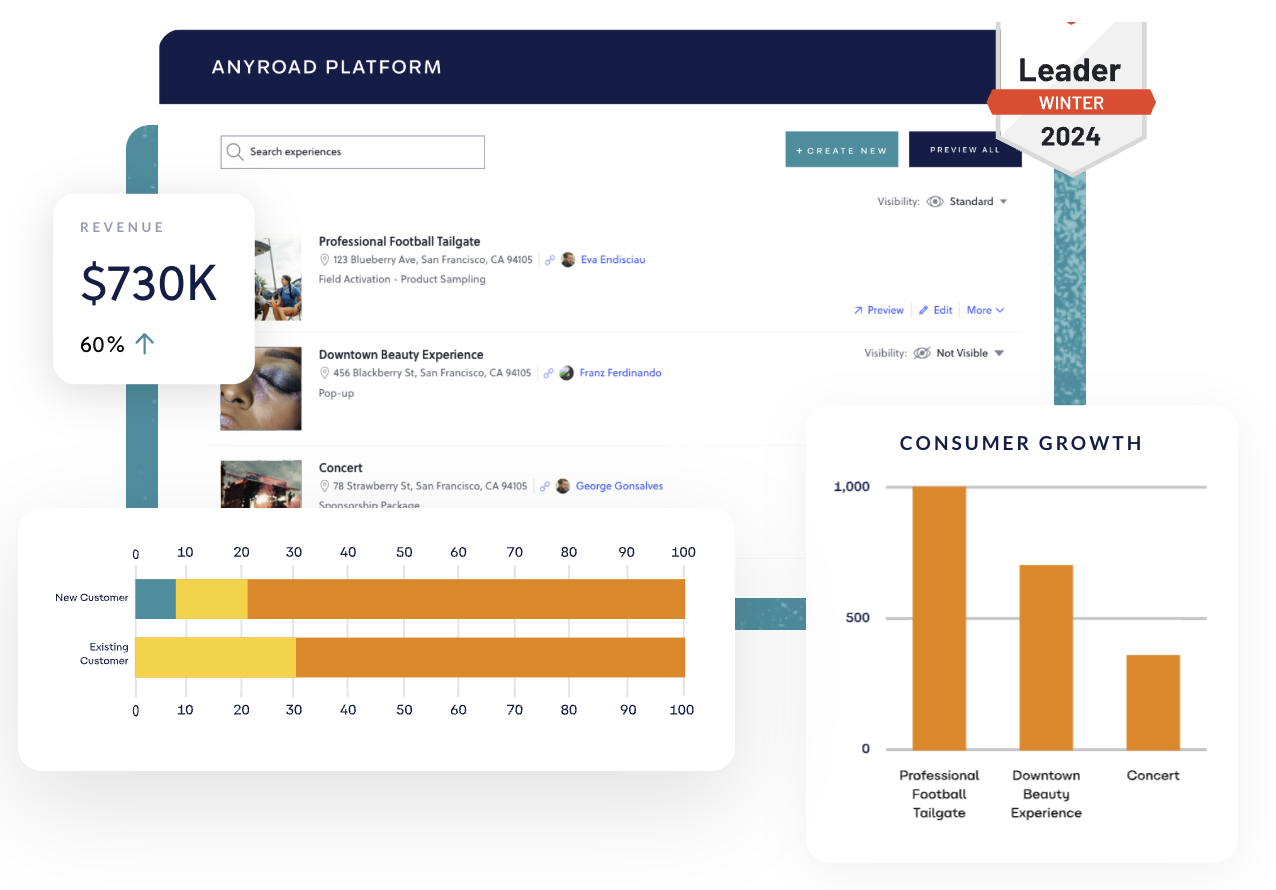
AnyRoad’s PinPoint AI reviews thousands of student feedback responses and surfaces themes and sentiment drivers. Diageo used similar AI analysis to customize flavor profiles and gained a 16-point NPS increase. Campus rec teams can follow the same model and prove ROI from 2026 experiences with AnyRoad. Book a demo.
2. AR/VR Immersive Events That Cut Through Digital Fatigue
AR/VR Immersive Events meet rising student demand for tangible, sensory-rich experiences that reduce digital fatigue. About 76% of Gen Z and Millennials feel deeper connection through in-person interactions that immersive tech enhances.
Campus recreation centers can bring AR and VR into everyday programming with practical use cases.
- Run virtual reality fitness classes that place students in scenic locations during cardio.
- Offer augmented reality campus tours that reveal hidden recreation spaces and milestones.
- Install mixed reality climbing walls with challenges, scoring, and live leaderboards.
- Host VR meditation sessions in wellness spaces with customizable environments.
- Add AR overlays to intramural sports that show real-time performance analytics.
Programs that use AR and VR often see 40% higher sign-ups and 35% better retention. Students stay engaged longer because the experiences feel fresh, interactive, and memorable.
3. Gamified Student Challenges That Keep Participation High
Gamified Student Challenges use competition and rewards to keep students active throughout the semester. Group-based formats improve adherence through enjoyment and camaraderie, which makes gamification a core strategy for 2026 campus rec programs.
Recreation teams can design simple but powerful gamified experiences.
- Run semester-long fitness challenges with clear levels and rewards.
- Host residence hall competitions with live leaderboards across campus screens.
- Offer achievement badges for trying new classes and hitting milestones.
- Build team wellness challenges that include mental health and nutrition goals.
- Enable social sharing that highlights student wins across major platforms.
Gamified programs often deliver 60% higher completion rates and 45% more student referrals than traditional offerings. The structure, recognition, and social proof keep students coming back.
4. Sustainability-Focused Activations That Match Student Values
Sustainability-Focused Activations connect recreation with environmental values that matter deeply to students. Sustainability becomes standard in 2026 event marketing trends, so campus rec programs now weave eco-conscious choices into everyday experiences.
Teams can design sustainability-forward programs that still feel fun and accessible.
- Offer outdoor adventures that use sustainable gear and follow Leave No Trace principles.
- Host garden-to-table nutrition workshops that link food, fitness, and stewardship.
- Install renewable energy-powered equipment with live impact dashboards.
- Run waste reduction challenges tied to recreation center operations.
- Partner with environmental clubs for joint activism and fitness events.
Students show 55% higher engagement with sustainability-focused programs. These experiences build stronger loyalty and support a positive reputation for the recreation center and the wider campus.
5. Data-Driven Brand Collaborations That Go Beyond Sponsorship
Data-Driven Brand Collaborations turn basic sponsorships into strategic partnerships grounded in student behavior. Campus rec marketing in 2026 emphasizes smarter use of zero- and first-party data, combining participant-shared data with website activity, purchase history, and social media engagement to uncover the right partners.
Recreation leaders can follow a simple framework for smarter collaborations.
- Review demographic and preference data to shortlist relevant brands.
- Design co-branded experiences that clearly benefit students and sponsors.
- Set up shared data collection that supports all partners.
- Define performance metrics that show ROI for both the center and brands.
- Use insights to guide long-term partnership planning and renewal.
AnyRoad’s FullView feature captures data from every attendee in a group, not just the person who booked. This broader view supports stronger reporting and more valuable brand partnerships.
6. Hybrid Virtual/In-Person Experiences That Fit Busy Schedules
Hybrid Virtual/In-Person Experiences give students flexible ways to participate while keeping community at the center. Hybrid experiences sync IRL meetups with personalized virtual hubs and create a smooth bridge between physical and digital touchpoints.
Campus rec teams can build hybrid programs that feel cohesive and easy to join.
- Offer live classes that students can attend in person or virtually with real-time interaction.
- Use digital wellness check-ins that support on-site visits.
- Provide VR previews of new programs before students register in person.
- Host online communities that extend conversations from in-person sessions.
- Allow students to switch between virtual and on-site attendance as schedules change.
Hybrid formats often increase accessibility by 50%. Students who commute, work, or manage heavy course loads can still stay connected and loyal to campus rec programs.
7. Influencer-Led Campus Takeovers That Amplify Student Voices
Influencer-Led Campus Takeovers rely on peer voices to build trust and drive sign-ups. Short-form vertical video that highlights real student experiences, peer-created clips, and reviews builds authenticity and trust for 2026 marketing.
Recreation centers can structure influencer programs that feel genuine, not scripted.
- Collaborate with student athletes and fitness leaders to create program content.
- Build micro-influencer groups within different clubs and interest areas.
- Share behind-the-scenes stories about staff, planning, and facility upgrades.
- Launch user-generated content campaigns with clear hashtags and challenges.
- Maintain ongoing relationships with student creators for consistent messaging.
Peer-led marketing often delivers 3x higher engagement and 65% more trial sign-ups than traditional institutional campaigns. Students respond strongly to people who feel like them.
8. Loyalty-Building Post-Event Conversions That Extend Relationships
Loyalty-Building Post-Event Conversions turn one-time events into long-term student relationships and measurable revenue. 2026 campus rec trends prioritize customer retention, engagement, and win-back flows over new participant acquisition and treat lapses as chances to re-engage.
Teams can design follow-up journeys that feel personal and timely.
- Use automated sequences that guide students from trials to memberships.
- Send tailored program recommendations based on feedback and behavior.
- Offer exclusive perks to students who complete surveys and evaluations.
- Reward referrals when students bring friends to classes or events.
- Build alumni engagement paths that support long-term advocacy.
AnyRoad’s Purchase Conversion Tools track how students move from first experience to long-term engagement. Sierra Nevada used similar tools and reached an 85% brand conversion rate after events. Campus rec teams can show clear ROI to administrators and support sustainable funding. Book a demo to apply these 2026 experiential trends.
Conclusion: Turning Campus Rec Into a Strategic Growth Engine
These eight experiential trends give campus recreation leaders a clear playbook to grow engagement, collect first-party data, and prove ROI. AI personalization, immersive tech, and data-informed partnerships help recreation centers shift from perceived cost centers to visible drivers of student success and revenue.
AnyRoad’s platform connects with tools like HubSpot and Stripe, which simplifies rollout and reporting. FullView data capture and PinPoint AI analysis reveal which programs work, which audiences respond, and where to invest next.
Feature | AnyRoad | Eventbrite | FareHarbor |
Data Ownership | Full brand-owned | Co-owned | Brand-owned |
AI Analytics | PinPoint AI trends | Basic reporting | None |
Revenue Tools | Purchase conversions | Limited | None |
Campus rec teams can now transform programming with proven experiential trends for 2026. Book a demo to see how AnyRoad helps you capture student data, prove ROI, and strengthen campus community connections.
FAQ
What experiential marketing trends work best for campus recreation in 2026?
The most effective trends include AI-personalized experiences that tailor programming to individual preferences, AR/VR immersive events that reduce digital fatigue, and gamified challenges that use competition to sustain participation. Data-driven brand collaborations and hybrid virtual and in-person experiences also significantly increase engagement and program ROI.
How can campus recreation programs measure ROI from experiential marketing?
Teams measure ROI by tracking data across the full student journey, from discovery to long-term participation. Key metrics include attendance, retention, referrals, and conversion from free events to paid programs or memberships. Platforms like AnyRoad add AI-powered analytics that connect experiences to outcomes such as higher satisfaction scores and revenue growth.
What role does AI play in personalizing campus recreation experiences?
AI personalizes experiences by analyzing preferences, fitness levels, schedules, and participation history, then recommending the right programs and times. AI systems can predict dropout risk, tailor workout and nutrition plans, and review feedback to highlight improvement areas. This approach replaces generic offerings with tailored journeys that raise engagement and retention.
How do sustainability-focused activations affect student engagement?
Sustainability-focused programs often see 55% higher engagement because they match student values and create meaningful experiences. Examples include eco-friendly outdoor trips, garden-to-table workshops, renewable energy-powered equipment, and collaborations with environmental groups. Students feel more connected to programs that reflect their environmental priorities and offer real impact.
Why are hybrid virtual and in-person experiences effective for campus recreation?
Hybrid experiences raise accessibility by about 50% while preserving the connection that builds loyalty. They support different schedules, learning styles, and comfort levels by offering both in-person and virtual options. Strong hybrid programs feature interactive fitness classes, digital wellness check-ins, virtual previews, and online communities that extend in-person support.