


Last updated: March 4, 2026
Key Takeaways for 2026 Campus Activations
- Gen Z’s projected $12T spending power by 2030 makes campus activations a core growth channel, with immersive experiences driving 40% higher engagement than digital-only campaigns.
- High-performing tactics include beauty pop-ups (Kosas), gamified tours (Uber), dorm takeovers (Chipotle), and AR/VR (Yuzu, Meta) that deliver measurable lifts like 36% revenue growth.
- Instagrammable design, clear values, personalization, and campus community integration consistently double traffic and drive 30% opt-in rates.
- AnyRoad’s FullView captures data from every attendee, PinPoint AI turns feedback into insights, and conversion tools connect campus experiences to revenue.
- Scale your 2026 campus activations with proven ROI and clear attribution, and book an AnyRoad demo to turn experiences into revenue.
1. Kosas College Tour Pop-Ups: Beauty in the Middle of Campus Life
Kosas college tour activations redefined beauty engagement on campus by building bold, Instagram-ready pop-ups that encouraged constant content creation. Mobile stations featured interactive makeup bars, one-to-one consultations, and campus-only product drops that drove 2.5x higher engagement than standard sampling tables.
Gen Z students connected with Kosas’ honest approach to beauty education and clean formulas. Seventy-three percent of attendees shared content on social, and inclusive shade ranges resonated with students who expect brands to reflect real diversity.
Replication Blueprint:
- Partner with student groups for social proof and access to high-traffic locations.
- Design photo-friendly backdrops with bold brand colors and tactile elements.
- Offer short, personalized consultations with trained makeup artists.
- Release campus-only products or limited drops to create urgency.
- Use digital check-ins to capture data for follow-up and loyalty programs.
AnyRoad’s FullView captures data from every participant, not just hosts, while PinPoint AI surfaces what students loved most so each tour stop improves engagement and conversion.
2. Uber One Arcade: Gamified Campus Tours That Keep Students Playing
Brands doing college pop ups like Uber saw major wins with “The One Arcade” tour across 15 universities, featuring arcade-style games from Taco Bell, Dunkin’, and Sephora where students earned coins for goodie bags. This playful format delivered 40% higher dwell time than standard sampling.
The tour worked because it tapped into competition, rewards, and variety. Students spent about 45 minutes engaging with multiple brands, which created repeated touchpoints for data capture, offers, and education.
Element | Gen Z Appeal | ROI Metric | AnyRoad Advantage |
Arcade Games | Competitive fun | 45 min dwell time | Real-time analytics |
Reward System | Instant gratification | 85% participation | Purchase conversion tracking |
Multi-Brand | Choice and discovery | 3.2 brands per student | Cross-brand data insights |
Replication Blueprint:
- Build simple arcade-style games that reinforce your core message.
- Use a points system with clear prize tiers students can see at a glance.
- Invite complementary brands to share costs and expand value.
- Run mobile check-in and prize redemption through a single system.
- Reward social sharing with bonus points or exclusive prizes.
3. Chipotle Dorm Takeovers: Food as a Campus Community Magnet
College pop-up events from Chipotle turned sampling into a social anchor by staging mini-restaurants in dorm common areas. Customizable bowl stations and quick nutrition chats made the experience feel both fun and useful.
These dorm takeovers drove 92% brand recall and a 34% lift in visits to campus locations within 30 days. Fresh ingredients and full customization matched Gen Z’s focus on health, control, and transparency.
Replication Blueprint:
- Work with residence life teams to secure high-traffic common spaces.
- Set up interactive build-your-own stations with simple education moments.
- Highlight how customization reflects your brand’s core promise.
- Add short nutrition or sourcing content to deepen trust.
- Use QR codes for menus, offers, and loyalty sign-ups.
AnyRoad’s Experience Manager coordinates multi-dorm logistics and timing, while PinPoint AI analyzes feedback to refine menus, formats, and follow-up offers.
4. IKEA Mini Pop-Ups: Solving Real Dorm Room Problems
College pop-ups from IKEA focused on real student pain points like tiny rooms, tight budgets, and move-in chaos. Compact showrooms with dorm-ready furniture and storage ideas produced 67% higher purchase intent than traditional furniture displays.
Flat-pack demos and space-saving tips turned the activation into a mini workshop. Students left with specific ideas and product lists rather than vague inspiration.
Replication Blueprint:
- Research housing layouts and common storage challenges on each campus.
- Stage small but complete room vignettes with clear product labels.
- Host short demos on assembly and space hacks.
- Offer student-only discounts and simple delivery options.
- Add AR tools that let students preview setups in their own rooms.
5. Coach Campus Ambassadors: Luxury That Feels Within Reach
Gen Z campus marketing strategies from Coach centered on curated student ambassador programs. Selected students showcased products in everyday campus settings and drove 3.8x higher engagement than standard influencer campaigns.
The program worked because it blended exclusivity with relatability. Ambassadors gained access to product, events, and networking, which encouraged genuine advocacy instead of scripted promotion.
Program Element | Student Benefit | Brand ROI | Measurement Tool |
Exclusive Products | Status and style | 89% content creation | AnyRoad Analytics |
Networking Events | Career development | 76% program retention | PinPoint sentiment |
Content Creation | Portfolio building | 2.3M impressions | Social integration |
Replication Blueprint:
- Recruit influential students across different communities and identities.
- Design clear program tiers with transparent expectations and perks.
- Offer early access to products, events, and brand leaders.
- Share content guidelines that protect brand voice while allowing personality.
- Track performance with engagement, referral, and conversion metrics.
Book a demo to see how AnyRoad tracks ambassador performance and improves recruitment with real data.
6. 818 Tequila Tailgates: Owning the Game-Day Moment
Brand activations on college campuses from 818 Tequila tapped into football culture through tailgate events featuring custom cocktails, oversized beer pong, branded merch, an Uber Eats food truck, and celebrity appearances. Single events drew more than 3,200 guests and drove on-site and online sales.
Success came from joining existing rituals instead of inventing new ones. By syncing with big games and offering tailgate essentials, 818 Tequila became part of the pregame routine.
Replication Blueprint:
- Anchor activations to major games or long-standing campus traditions.
- Develop simple signature cocktails that highlight your product.
- Partner with food providers to deliver a full tailgate experience.
- Set up oversized games that encourage group play and photos.
- Enable on-site sales with fast mobile payments and clear legal compliance.
7. Yuzu Beauty AR Installations: Tech-Driven Self-Expression
Experiential marketing college campuses embraced AR through Yuzu’s “Feel Real Gallery” activation with interactive art, personality quizzes, and limited-edition bag charms, engaging more than 100 student creators. This format produced 156% higher social sharing than classic sampling.
AR tools let students see products on themselves in real time while generating content tailored to their style. The mix of tech, art, and identity fit Gen Z’s expectations for personalization and authenticity.
Replication Blueprint:
- Create AR filters that place products in familiar campus scenes.
- Design installations that reward exploration and movement.
- Use short quizzes to match products to personality traits.
- Offer campus-only items that students can show off online.
- Collaborate with student creators for content and on-site hosting.
8. Meta VR Campuses: Virtual Worlds That Spark Real Relationships
Meta’s campus activations introduced VR experiences that let students explore shared virtual spaces while meeting new people. Meta partnered with UniDays for Instagram student verification to support real connections and link digital identity to campus life.
These activations highlighted practical uses for metaverse tools while speaking to Gen Z’s need for meaningful connection. Collaborative VR sessions encouraged ongoing platform use and deeper loyalty.
Replication Blueprint:
- Design VR experiences that solve real problems or showcase product use.
- Build shared virtual rooms that encourage small-group interaction.
- Guide students from VR into real-world meetups or follow-up events.
- Offer hands-on tech support to lower barriers for first-time users.
- Capture behavior and preference data to personalize future outreach.
9. Diageo Tasting Labs: Premium Education That Builds Loyalty
Diageo’s campus tasting activations focused on education and elevated service, delivering a 16-point NPS lift through AI-tailored flavor profiles. These experiences positioned spirits as part of a lifestyle, not just a purchase.
Professional bartenders, mixology workshops, and brand storytelling created memorable sessions that influenced long-term preference among legal-age students.
Experience Element | Educational Value | Engagement Metric | Loyalty Impact |
Flavor Profiling | Palate development | 87% completion rate | +16 NPS points |
Cocktail Crafting | Mixology skills | 92% social sharing | 34% purchase intent |
Brand Education | Heritage stories | 78% recall rate | 45% advocacy score |
Replication Blueprint:
- Add clear educational segments that go beyond tasting.
- Train staff to deliver premium, personalized service.
- Use AI tools to recommend flavor profiles and cocktails.
- Offer certificates or digital badges students can share.
- Track shifts in preference and advocacy over time.
10. True Religion Sustainability Tours: Values That Match Campus Culture
True Religion’s college tour pop-ups sent branded trucks to multiple schools with campus-specific merch, spin-to-win contests, and loyalty sign-ups, with 25% of loyalty members now aged 18 to 25. Sustainability messaging and school-specific designs helped the brand connect with climate-conscious students.
The mobile format allowed broad coverage while still feeling personal. Exclusive drops and clear values turned quick visits into long-term relationships.
Replication Blueprint:
- Design campus-specific merchandise that reflects local pride.
- Share clear sustainability commitments students can verify.
- Use a mobile tour model to reach many campuses efficiently.
- Run simple games that reward sign-ups and feedback.
- Build loyalty tiers with perks tailored to student life.
Gen Z Campus Playbook for 2026 and How to Prove ROI
Scaling College Pop-Ups Without Losing Local Flavor
Experiential retail now defines campus marketing in 2026, with interactive installations and hands-on sampling replacing static booths. Brands scale effectively by standardizing core formats while allowing local teams to adapt content and partnerships.
Ambassador programs extend presence between big events and lower costs per touchpoint. Students still prioritize in-person contact and active campus culture, so brands that show up consistently on the ground win attention and trust.
AI-Powered Feedback and Revenue Tracking for Activations
AnyRoad’s PinPoint AI turns thousands of open-text comments into clear themes, sentiment drivers, and action items in real time. Teams see exactly which elements create promoters and which moments lose students, then adjust the next stop accordingly.
Experience Manager unifies booking, staffing, and data capture, while Atlas Insights centralizes analytics. Purchase Conversion tools connect campus experiences to retail and ecommerce, enabling ROI tracking similar to Sierra Nevada’s 85% brand conversion rate.
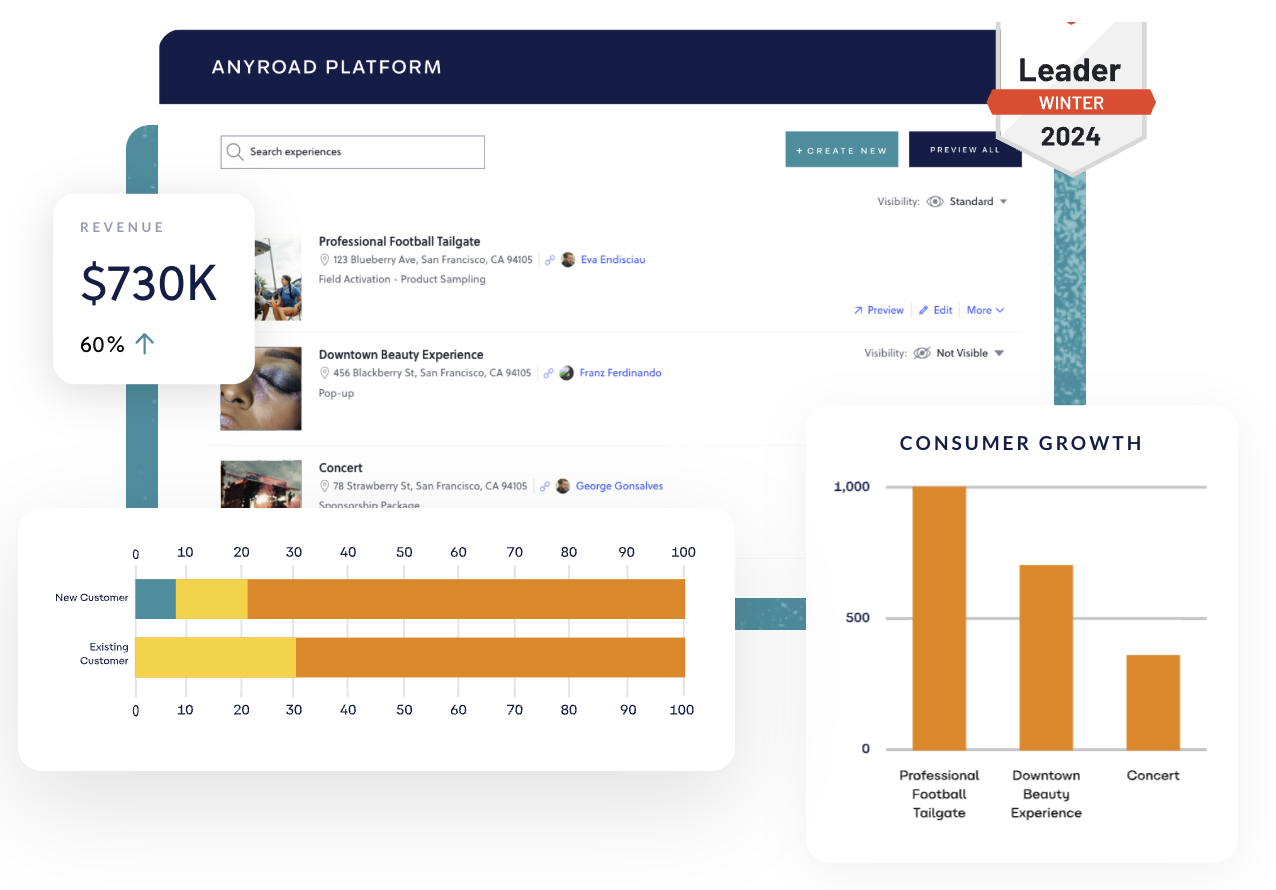
Capability | Manual Process | AnyRoad Platform | ROI Impact |
Data Capture | 33% of attendees | 100% via FullView | 3x data volume |
ROI Proof | Anecdotal reports | 36% revenue lift | Budget justification |
Feedback Analysis | Manual review | AI-powered insights | +16 NPS points |
Purchase Tracking | No connection | 85% conversion rate | Revenue attribution |
Book a demo now to see how AnyRoad turns campus activations into measurable revenue, just as Absolut documented a 36% revenue boost.
Conclusion: Turn Campus Energy into Measurable Revenue
The strongest college campus activations for Gen Z blend real value, culture fit, and clear measurement. These ten examples show how immersive experiences build loyalty, capture first-party data, and drive revenue when supported by the right tools.
AnyRoad’s AI-powered platform shifts campus activations from one-off expenses to repeatable growth channels through complete data capture, real-time analytics, and purchase tracking. Brands like Absolut, Diageo, and Sierra Nevada already prove that experiential marketing delivers measurable business impact with the proper infrastructure.
Book a demo to see how AnyRoad turns campus vibes into verified revenue growth for your brand.
FAQ
What makes college campus brand activations work for Gen Z students?
Campus activations work for Gen Z when they combine clear values with interactive experiences that solve real student problems. Students respond to events that offer education, exclusive access, or practical help with campus life, not just free samples. The strongest programs create shareable moments while building genuine connections through personalization and community.
How can brands measure ROI from college campus activations?
Brands measure ROI by tracking the full activation journey, from attendance to purchase. Key metrics include turnout, dwell time, social reach, sentiment shifts, and conversion. Platforms like AnyRoad capture data from 100% of attendees, analyze feedback with AI, and connect participants to long-term customer value. Useful KPIs include NPS lifts, opt-in rates, repeat purchase, and direct revenue from attendees.
What are the most cost-effective campus activation formats for Gen Z?
Mobile pop-up tours and ambassador programs usually deliver the strongest returns. Mobile tours cover many campuses with one core setup while still feeling personal. Ambassador programs keep your brand visible year-round through trusted peers. Gamified experiences and co-branded events further stretch budgets by sharing costs and boosting engagement.
How do leading brands scale campus activations across many universities?
Leading brands scale by building a repeatable framework with room for local tweaks. They define core experience elements, then allow campus teams to adapt for culture, size, and logistics. Centralized technology supports scheduling, staffing, and data capture, while standardized reporting makes performance comparisons and optimization possible.
Which emerging technologies work best for Gen Z campus activations in 2026?
Augmented reality and AI-driven personalization currently drive the most engagement. AR helps students visualize products in their own world and create content worth sharing. AI tailors recommendations and experiences to individual behavior. Virtual reality also performs well when it supports real connection and practical use cases instead of novelty alone.