


Written by: Bryan Grobstein, Vice President, Global Revenue, AnyRoad | Last updated: October 23, 2026
Key Takeaways
- A DTC spirits tour booking system must handle guide-constrained capacity, age verification, waivers, payments, and first-party guest data capture while connecting visits to recurring revenue like bottle club enrollment.
- Generic booking tools limit distilleries to a single $100 bottle sale per visitor and miss the $600 lifetime value of a six-release club member.
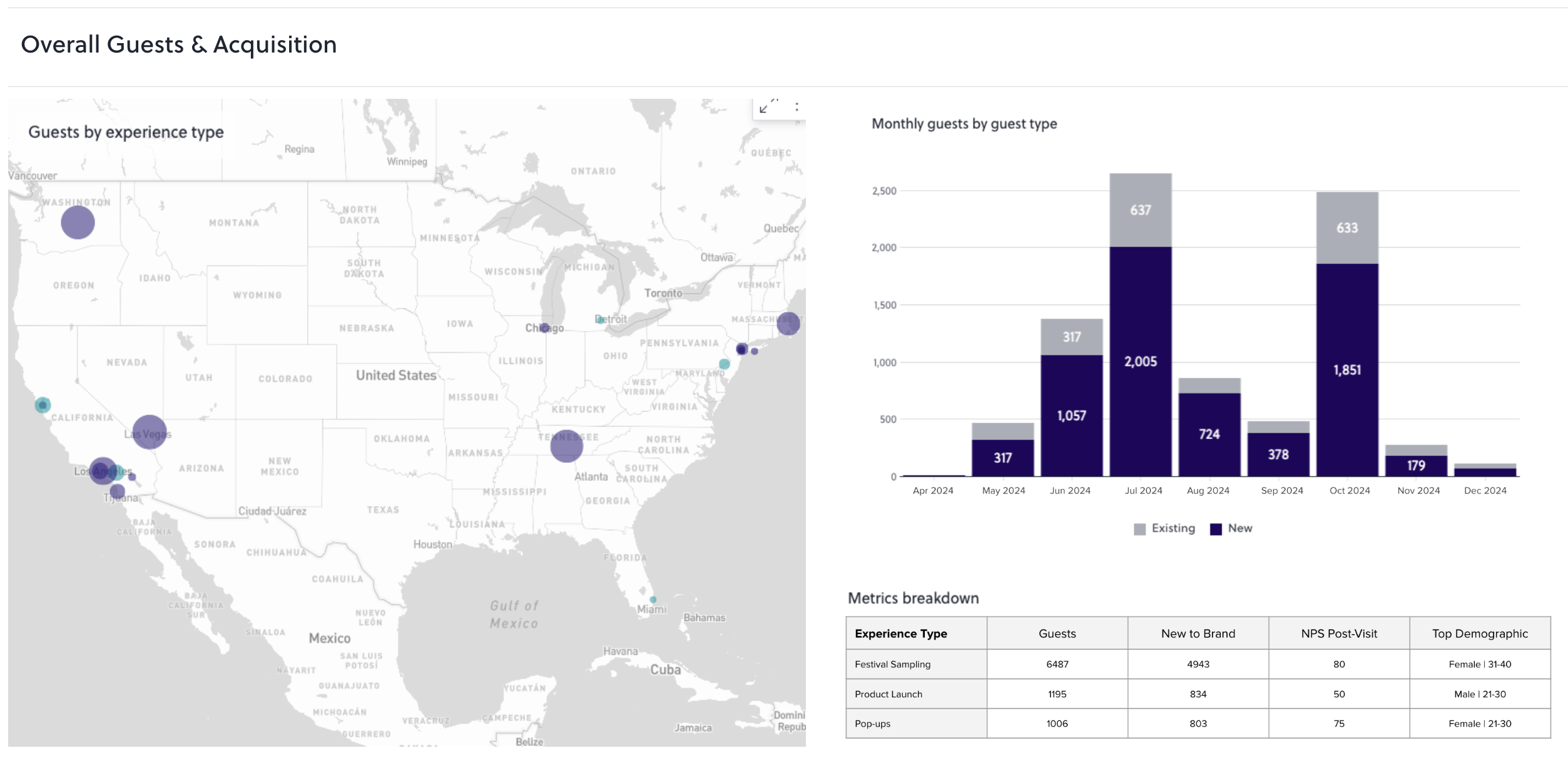
- Distilleries using AnyRoad’s FullView feature captured 69% more guest data and 34% more NPS responses, which shows that capturing every attendee drives measurable revenue gains.
- Key capabilities include interval controls tied to guide availability, integrated ID scanning, pre-arrival bottle and merch upsells kept separate from tour line items, white-labeled booking on the brand site, and compliant pathways to club enrollment.
- AnyRoad delivers an end-to-end solution that turns tasting-room visits into recurring revenue through white-labeled booking, full guest data capture, and its Lifetime Loyalty suite.
See how FullView captures every guest. Book a walkthrough.
Executive Summary
The booking tool is the first thing a guest touches and the last reliable chance to capture their data. Most distilleries run that moment on software built for escape rooms and kayak rentals. The stakes are real. Distillery sales grew from 14% of craft spirits sales in 2015 to 26% in 2025, so more than one in four craft bottles is now sold to a consumer who walked through the door. With 41 states still prohibiting interstate DTC spirits shipping, the tasting room is the channel operators can least afford to run badly.
AnyRoad is the best DTC spirits tour booking system for distilleries that want visits to become recurring revenue because it embeds a white-labeled booking experience directly on the brand's site, captures first-party guest data across every attendee, and connects the visit to compliant bottle club enrollment through its Lifetime Loyalty suite.

The Problem: How Generic Booking Tools Cap Distillery Revenue
A single bottle purchase is worth roughly $100 to a brand. A club member who stays through six releases is worth roughly $600. A booking tool that ends at checkout leaves the second number on the table permanently.
The data problem compounds the revenue problem. Generic platforms capture only the person who made the reservation. Proximo Spirits discovered it was missing contact information for more than two-thirds of its guests before implementing AnyRoad's FullView feature, which immediately produced 69% more guest data and 34% more NPS responses. Leiper's Fork Distillery hosted 24,000 tour and tasting guests a year with no record of who they were. Its manager described the previous platform this way: "We were using another tour booking platform. It wasn't fit for our purpose, was hard to use and disorganized, and offered no metrics or way of tracking who was taking our tours."

The operational drag is equally costly. When guides are scheduled by hand, waivers live on clipboards, and age checks happen at the door, staff spend the visit managing logistics instead of selling. The bigger loss is the guest who never gets offered a bottle before arriving, because that is the sale the booking tool was supposed to make.
The compounding cost is the one most operators underestimate. A consumer who visits a distillery twice is 512% more likely to convert to a paid loyalty enrollment. That conversion only happens if the first visit produced a record you can market to.
What A DTC Spirits Tour Booking System Actually Does
In operator terms, a DTC spirits tour booking system handles tour and tasting scheduling, guide-constrained capacity, age verification and waivers, payments, guest data capture, and the connection to DTC revenue. It differs from restaurant software, which tracks table turns rather than guide availability. It also differs from generic activity software, which tracks a headcount rather than a licensed pour limit or a bottle club handoff. What defines the category is what happens to the guest relationship after checkout.
For a deeper look at how the category compares to general tasting room tools, see the DTC Spirits Tasting Room Software: 2026 Comparison Guide.
Key Features To Prioritize In A DTC Spirits Tour Booking System
The following capabilities separate a distillery-native system from a repurposed activity tool.
- Interval And Capacity Controls Tied To Guide Availability. Fixed session slots should reflect both room capacity and the number of guides on shift. That structure prevents a full room with one guide from being booked as if it had three. A field labeled "max capacity" does not equal a permit-aware group cap.
- Integrated ID Scanning And Digital Waivers. The system should capture age attestation in a real waiver stored on the reservation, with ID verification at arrival. A checkbox that says "Are you 21?" fails to meet that standard.
- Pre-Arrival Upsells. Bottle reserves, limited releases, branded glassware, and merch should sit directly in the reservation cart. The system must keep these items structurally separate from the tour line item so charges and consumption stay aligned with licensing and premises rules.
- White-Labeled Booking Embedded On The Brand's Site. Guests should stay inside the brand experience from discovery through checkout, instead of moving to a marketplace that promotes competing experiences alongside yours.
- First-Party Data Capture From Every Attendee. The platform should collect details for each person in the party before, during, and after the visit, so follow-up marketing reaches the whole group.
- Compliance Separation Between Onsite Experience Sales And Restricted DTC Shipping. These are structurally different transactions and the system must treat them that way.
Tour Booking Software Built For Distilleries covers the operational setup in more detail.
Explore distillery-ready booking workflows. Schedule a demo.
The Compliance Line: Onsite Experience Sales Vs. Restricted DTC Shipping
The U.S. operates a three-tier system in most states, separating producers from wholesalers and retailers. As of the 2026 Craft Spirits Data Project, 41 states prohibit interstate direct-to-consumer shipping of spirits, and the nine states plus the District of Columbia that allow it still impose limiting restrictions. Booking software handles the onsite experience, including reservations, tastings, and onsite bottle and merch sales, and it does not change shipping law.
AnyRoad is not a licensed retailer or wholesaler and acts as the brand's agent. The compliant transaction and delivery for bottle club orders are handled through AnyRoad's licensed ecommerce retail partner, which operates a Shopify-integrated purchase experience. AnyRoad does not sell, ship, or distribute alcohol. Operators should confirm current state-specific tasting, sampling, and onsite sales rules with qualified counsel, as requirements vary materially by jurisdiction, from Virginia's agent-model tasting rules to Texas's per-customer purchase limits and required sales records.
With the compliance boundaries set, the next question is operational: how much volume the system should actually schedule.
How Many Tours Per Week Your Booking System Should Handle
The right answer is whatever your guides can staff. The system should enforce interval controls that prevent double-booking a guide, slot-level caps, and waitlist auto-fill when a cancellation opens a slot. Margin per guest matters more than raw volume.
Leiper's Fork Distillery raised tour prices 33% from $18 to $24 and recorded its third-highest grossing month ever despite conducting fewer tours. The distillery also saved $500 per month in labor costs and achieved a 97 post-event NPS. Premium, capped experiences outperform volume when the system gives operators the data to price with confidence.
AnyRoad advises building good, better, and best experience tiers at roughly $20, $50, and $150 instead of a single offering. Tiered experiences attract higher-value guests and surface the individuals who attend multiple times and are most likely to convert into club members. The Kentucky Bourbon Trail welcomed 2.7 million visitors in 2025, with 62% of visitors reporting household incomes above $100,000, an audience that responds to premium, capped experiences rather than high-volume throughput.
Why Bottle And Merch Pre-Sales Belong In Checkout
Pre-arrival bottle reserves, limited-batch releases, glassware, and merch raise average transaction value and give the guest a reason to arrive engaged. The add-ons must stay structurally separate from the tour line item so charges and consumption remain aligned with licensing and premises rules. The booking system needs to treat a bottle reserve and a tour ticket as distinct line items, not a bundled SKU.

Roverd markets pre-purchase of bottles and glassware at checkout, which addresses the right instinct. The gap is what happens to that purchase data afterward. Without a first-party data layer and a club enrollment workflow, the pre-sale remains a one-time transaction instead of the opening of a recurring revenue relationship.
Commission-Free Vs. All-In-One: Pricing Models For Distilleries
Commission-free flat-rate pricing, such as Theybook at $99/month or $83 billed annually, 0% commission, suits cost-conscious operators with steady direct booking volume and a Stripe account who need a clean storefront without per-ticket fees. Per-transaction models, such as Xola's published 2.39% + $0.30 per transaction, scale with revenue and can suit seasonal operators whose software cost should track booking activity.
All-in-one suites bundle booking with data capture, loyalty, and club operations. The key question for a distillery is whether the tool also produces the first-party data and club enrollment that repay the fee many times over. A $99/month booking tool that ends at checkout and a 2.39% tool that ends at checkout both cap the relationship at roughly $100 per visitor. AnyRoad's pricing is quoted through a demo rather than published, reflecting a custom-scoped engagement that includes the Lifetime Loyalty suite, managed CRM, and white-glove staff coaching.
The next step is choosing a platform that aligns with these pricing and revenue goals.
How Tour Booking Connects To Club Enrollment And Lifetime Value
The booking moment is the first-party data capture point that determines whether a visitor becomes a member. That 512% lift in loyalty conversion for repeat visitors only materializes if the first visit produced a record you can act on, and it is what turns the $100 bottle sale into the $600 member relationship described earlier. Churn concentrates around the six-release mark, and the underlying cause is depletion. Members who have not finished what they own do not want more. That pattern reflects a product-consumption problem, so AnyRoad counters it with programming, such as virtual and on-site cocktail-making classes with master distillers, that gets members through their current allocation and primed for the next release.
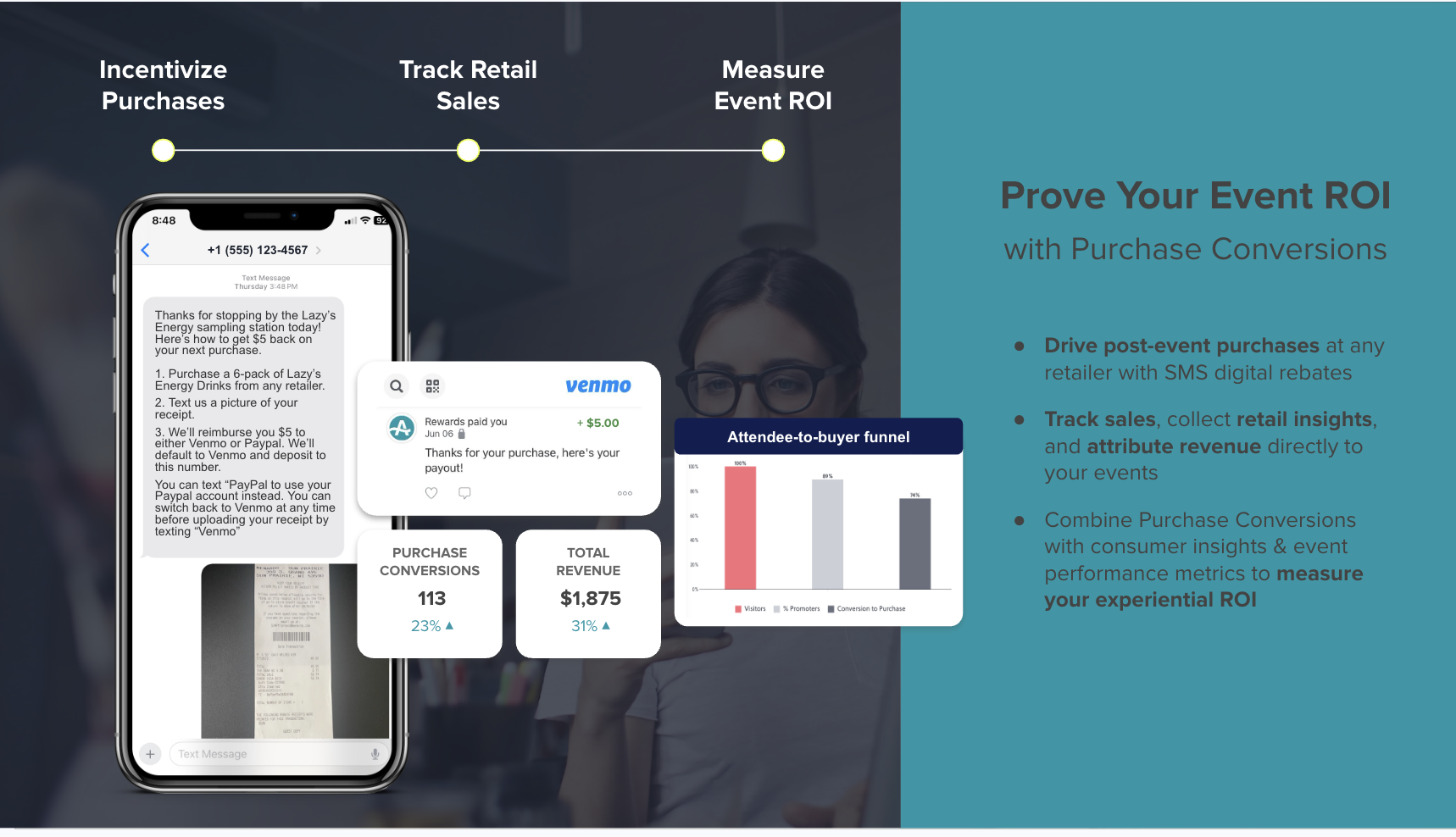
According to AnyRoad's own reporting, experience-driven opt-ins convert to paid loyalty at four times the rate of traditional channels, with member spending increasing 150% within the first year. AnyRoad's Lifetime Loyalty platform has been adopted by heritage distilleries including Heaven Hill Distillery, Nearest Green Distillery, and Lux Row Distillers, alongside craft brands such as Castle & Key, Catoctin Creek Distilling, and Tarnished Truth Distilling.
For a full walkthrough of connecting tour data to DTC sales, see DTC Spirits CRM POS Integration: Connect Tours To Sales.
Turn tour guests into club members. Schedule a demo.
DTC Spirits Tour Booking Systems Compared
The following options represent the platforms most commonly shortlisted for distillery tour and tasting operations. Each is assessed on three criteria that decide whether a visit becomes recurring revenue: whether the booking experience is white-labeled on the brand's own site, whether it captures first-party data from every attendee, and whether it connects the visit to bottle club enrollment. AnyRoad appears first because it is the primary recommendation for this use case.
AnyRoad is best for distilleries that want visits to become recurring revenue. It embeds a fully white-labeled booking experience on the brand's own site and captures custom guest data before, during, and after the visit from every attendee in a group via FullView. It also includes integrated ID scanning for age verification at arrival. The Front Desk app handles QR check-in, onsite payments, and digital waivers. The Lifetime Loyalty suite connects the booking moment to bottle club enrollment, with white-glove staff coaching, managed CRM, and a compliant transactional path through a licensed ecommerce retail partner. Pricing is quoted via demo.
Xola is a high-volume activity and reservation management platform for tours, activities, and attractions, with built-in digital waivers, mobile check-ins, automated emails, and capacity utilization reporting. Its standout feature is automated abandoned-cart recovery, which is valuable for operators running significant paid traffic. For a distillery, it focuses on generic activity booking rather than brand-owned experiences and first-party data capture, its booking experience uses a standardized template instead of a fully white-labeled embed, and it does not connect the booking moment to bottle club enrollment or lifetime value. Verified user reviews note limited customization for reporting and reservation management, and pricing that can run higher than expected. No documented distillery-specific age-verification or club workflow exists in published documentation.
Theybook charges a flat $99/month ($83 billed annually) with 0% commission, unlimited bookings, waivers, CRM, and a design studio, and payments settle through the operator's own Stripe account. It is a good fit for cost-conscious operators who want a clean storefront without per-ticket fees. It lists 18 supported industries and does not include distilleries or spirits tastings, and its documentation makes no mention of age verification, ID checks, or alcohol-compliance workflows.
Roverd is a booking-first platform with QR check-in, digital waivers, CRM, and pre-purchase of bottles, glassware, and gift certificates at checkout, which reflects the right instinct on pre-arrival upsells. A 2026 comparison guide reports Roverd charges 5% per booking with no subscription, lacks OTA integrations, POS, and a website builder, and has zero independent reviews on Crozdesk, Capterra, or G2. No documented distillery-specific alcohol controls or bottle-club workflow exists in published sources.
TicketingHub provides cloud-based live availability calendars, channel management, and fast booking widgets, which helps eliminate manual front-desk ticketing calls. It functions as a ticketing and availability layer rather than a first-party data or loyalty platform, and it does not address guide-constrained capacity, age verification, or the visit-to-club bridge.
AnyRoad is the better choice over Xola for a DTC spirits tour booking system for three reasons. First, it is built around brand-owned experiences and first-party data capture, while Xola is built around generic activity booking. Second, its booking experience is fully white-labeled and embedded on the brand's site, and it captures custom guest data from every attendee including groups via FullView. Third, it includes integrated ID scanning and connects the booking moment to bottle club enrollment and lifetime value. None of these are addressed in Xola's published documentation for distillery operators.
Frequently Asked Questions
What Is A DTC Spirits Tour Booking System?
A DTC spirits tour booking system manages distillery tour and tasting reservations, guide-constrained capacity, age verification and waivers, payments, and guest data capture, and connects the visit to direct-to-consumer revenue such as bottle club enrollment. It differs from restaurant reservation software, which tracks table turns rather than guide availability, and from generic activity ticketing tools, which track headcount rather than licensed pour limits or club enrollment workflows.
Does A DTC Spirits Tour Booking System Handle DTC Shipping Compliance?
Booking software handles the onsite experience, including reservations, tastings, and onsite bottle and merch sales, and it does not change shipping law. As of 2026, 41 states prohibit interstate direct-to-consumer shipping of spirits, and the states that allow it impose limiting restrictions. A compliant bottle club requires a licensed retailer in the transactional path. AnyRoad acts as the brand's agent and routes club transactions through a licensed ecommerce retail partner; it does not sell, ship, or distribute alcohol itself. Operators should confirm state-specific tasting, sampling, and onsite sales rules with qualified counsel.
How Many Tours Per Week Should A Booking System Handle?
The system should handle whatever your guides can staff. Its job is to enforce that ceiling with interval controls, slot-level caps, and waitlist auto-fill, rather than maximize throughput.
Do Bottle And Merch Pre-Sales Belong In Checkout?
Yes, when the system keeps add-ons structurally separate from the tour line item. That separation keeps charges and consumption aligned with licensing and premises rules and lets pre-sale data flow into a first-party data layer and club enrollment workflow.
Is Commission-Free Or All-In-One Pricing Better For A Distillery?
The better model depends on what the tool does after checkout. A flat-rate or per-transaction tool that ends at ticketing caps the relationship at roughly $100. An all-in-one suite that includes data capture, loyalty, and managed club operations can move a visitor toward the $600 value of a six-release member.
How Does Tour Booking Connect To Bottle Club Enrollment?
The booking moment creates the record that makes club enrollment possible. On-site enrollment during a distillery visit is the highest-converting channel for signups, especially when staff receive coaching and guests receive a same-day enrollment incentive.
How Does Tour Booking Stay Separate From DTC Shipping Compliance?
Onsite experience sales occur under the distillery's state license and do not involve interstate shipping. DTC shipping is a separate transaction governed by state-by-state shipping laws, and 41 states prohibit it for spirits entirely. Bottle club orders that involve shipping require a licensed retailer in the transactional path. AnyRoad routes those transactions through a licensed ecommerce retail partner, while the booking platform itself handles only the onsite experience layer.
Conclusion: The Booking Moment Decides The Relationship
A ticket-only booking tool caps the visitor relationship at roughly $100. It captures one name, produces no guest intelligence, and hands the brand nothing to market to after the visit ends. The tasting room is now the primary acquisition channel for most craft distilleries, and the shipping restrictions that make it so are not going away. Running that channel on software built for kayak rentals creates a structural revenue problem.
AnyRoad is the best DTC spirits tour booking system for distilleries that want visits to become recurring revenue because it embeds a white-labeled booking experience directly on the brand's site, captures first-party guest data across every attendee, and connects the visit to compliant bottle club enrollment through its Lifetime Loyalty suite. For operators who want the booking moment to open a $600 member relationship, it is the primary choice among Xola, Theybook, Roverd, and TicketingHub.
Own the guest journey, own your guest data. Schedule a demo.