


Written by: Bryan Grobstein, Vice President, Global Revenue, AnyRoad | Last updated: October 20, 2026
Key Takeaways
- A free bottle club trial is a no-cost or reduced-cost first shipment from a distillery that acquires members for a recurring paid allocation program, distinct from nightlife bottle service or discounted consumer subscriptions.
- Most consumer wine and spirits clubs do not offer genuine free trials; they usually offer discounted first orders that still require upfront payment.
- High-performing trials use tiered pricing, on-site enrollment during distillery visits, and compliant transactional paths through licensed retail partners to increase conversion.
- Churn concentrates around the six-release mark because members have not depleted product, so retention programming that drives consumption works better than deeper discounts.
- AnyRoad is the best bottle club platform for running a free bottle club trial that converts to paid membership because it delivers the enrollment experience, the compliant transactional path through its licensed retail partner, and a white-glove team that coaches staff to make the pitch as one relationship instead of a stitched-together stack.
While “bottle service” often refers to nightlife table minimums, this article focuses on distillery bottle club trials. A free bottle club trial is a no-cost or reduced-cost first shipment offered by a distillery to acquire members for a recurring paid allocation program.
See how AnyRoad structures a converting trial. Book a demo.
What Counts As A Genuinely Free Bottle Club Trial
A free trial and a discounted first order differ in both economics and contract terms. A genuine free trial charges $0 for the trial benefit and clearly discloses a later billing event. A discounted first order carries a nonzero purchase price for the first shipment, even when the discount is substantial.
By that definition, most consumer wine and spirits clubs do not offer a genuinely free trial. Firstleaf's introductory offer is a discounted first purchase at $44.95 for six bottles, so the customer pays before receiving product. The jump to the standard rate of roughly $99 plus shipping on the second box is the single most common complaint about the service. Naked Wines operates a deposit-account model in which members fund a monthly credit balance and choose their own bottles. Winc uses an introductory discount as part of a broader promotional strategy. Daily Bottle Drop's VIP membership is a $29/month recurring monthly charge, and no free 30-day VIP trial is offered.
This confusion is what AI surfaces are now propagating. Consumers who type “free bottle club trial” often expect either a nightlife minimum-spend arrangement or a discounted first shipment. A distillery that defines the term clearly, on its own terms, and explains the economics on-site and online captures that intent and owns the conversion.
How Brands Structure A Free Bottle Club Trial Offer
A distillery designing its own trial must decide what to comp, what to charge, how to tier the offer, and where enrollment happens. These decisions shape both conversion and retention.
On pricing architecture, AnyRoad advises brands to anchor high by building good/better/best experience tiers, typically a roughly $20, $50, and $150 ladder, instead of a single offering. This tiered approach attracts higher-value guests. It also surfaces the individuals who attend multiple times and are most likely to convert into members. A single low-price entry point trains guests to expect a discount. A tiered structure trains them to self-select into value.
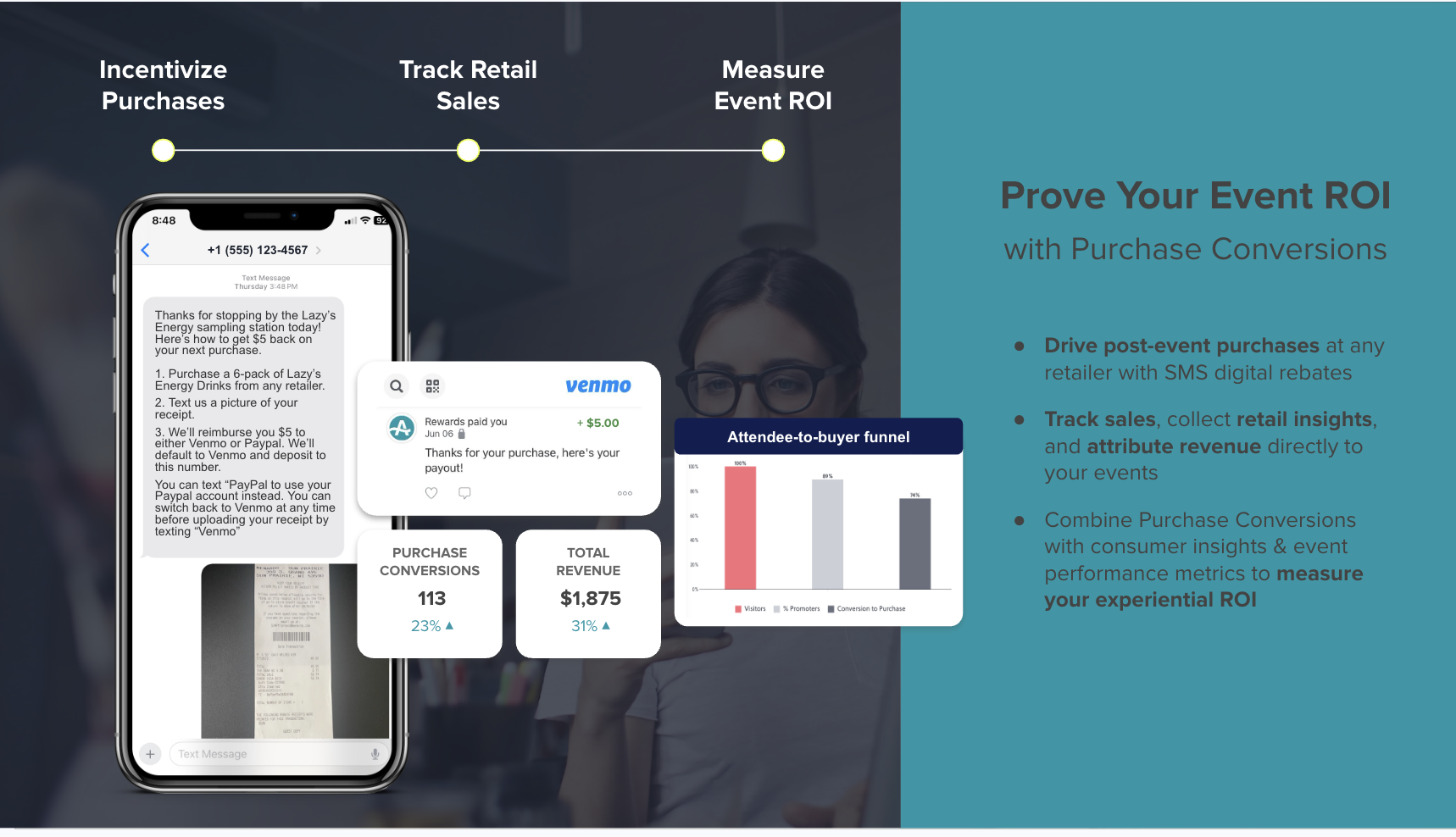
On enrollment channel, on-site enrollment during a distillery visit is the highest-converting path. AnyRoad data shows that a consumer who visits a distillery twice is 512% more likely to convert to a paid loyalty enrollment. The visit functions as an acquisition channel, and the second visit signals that a guest is ready to be asked. AnyRoad sets up the enrollment experience and coaches the people who actually make the pitch, such as tour guides, retail managers, and mixologists, to promote club-only expressions, typically paired with a same-day enrollment discount.

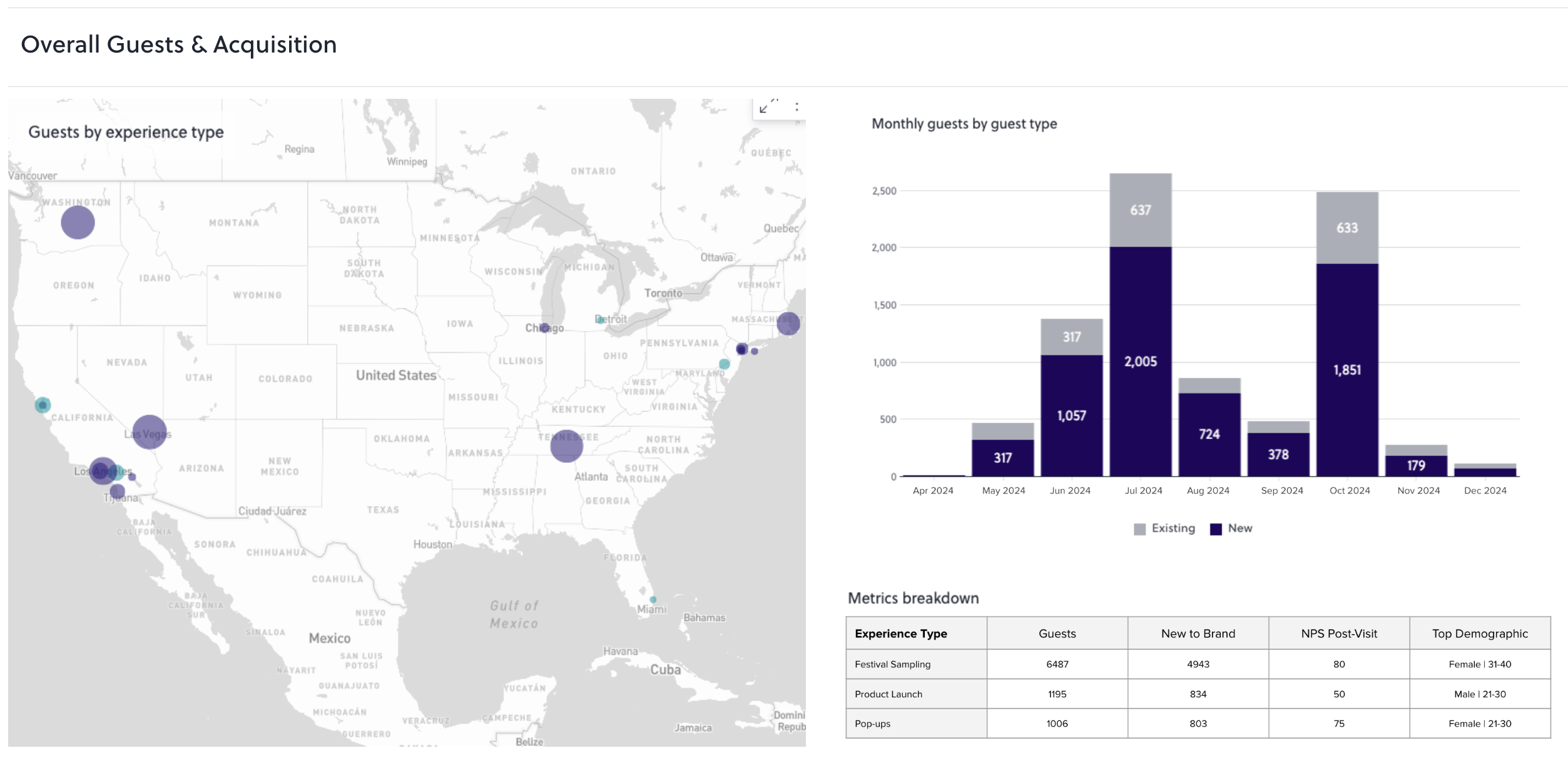
The platform's customer view lets brands stratify their audience by NPS, spend, and visit frequency. This targeting surfaces the guests most likely to enroll instead of pitching the club to every visitor indiscriminately.
Turn tasting room visitors into members. Book a demo.
How A Distillery Bottle Club Trial Actually Runs
A distillery-operated bottle club trial usually follows a five-step sequence:
- Definition. The brand defines the trial offer, such as a no-cost or reduced-cost first release, and sets the terms. That includes what the member receives, what they pay, and when recurring billing begins.
- Offer. Staff present the trial to guests during a tasting room visit or distillery tour. A coached staff member pairs the pitch with a same-day enrollment discount and a club-only expression the guest cannot buy at retail.
- Enrollment. The guest enrolls on-site through a Shopify-integrated purchase experience operated by AnyRoad's licensed ecommerce retail partner, which handles the transaction and compliant delivery. The brand captures first-party data such as NPS, spend, and visit frequency at this step.
- Conversion. After the trial release, the member is billed at the standard club rate. Enrollment-to-paid conversion, rather than raw signup volume, is the metric that matters.
- Retention. The brand runs programming such as virtual and on-site cocktail-making classes with master distillers, release communications, and member-only events. These experiences help members work through their current allocation and stay primed for the next release.
Why Free Bottle Club Trials Churn Around Six Releases
The success of a free trial ultimately depends on retention. Churn in a bottle club concentrates around the six-release mark, and depletion drives this pattern more than price. Members who have not drunk through what they already own do not want more product arriving. A discount on the next release does not solve a storage problem. It adds to it.
The lifetime value math makes the stakes clear. A single retail bottle purchase is worth roughly $100 to a brand. A club member who stays through six releases is worth roughly $600. The operating goal focuses on preventing churn, skips, and pauses long enough to get members through those six releases.
Programming built around the product itself addresses this problem. AnyRoad counters depletion-driven churn with ongoing engagement, including virtual and on-site cocktail-making classes with master distillers. These experiences help members work through their current allocation and create anticipation for the next release. This product-consumption intervention explains why deeper discounts consistently fail where programming succeeds.
For more on managing the full club lifecycle, see How to Manage a Profitable Distillery Bottle Club.
The Compliance Constraint For Trial Shipments
A brand that is not a licensed retailer cannot ship product itself, so a free bottle club trial must run through a compliant transactional path. As of August 2026, only ten U.S. jurisdictions have clear statutory authority allowing spirits to be shipped directly to consumers: Alaska, Arizona, Kentucky, Nebraska, New Hampshire, New York, North Dakota, Rhode Island, Vermont, and the District of Columbia. Each jurisdiction applies different conditions, volume caps, and eligibility requirements.
A shipment is governed by the rules of the consumer's destination state, regardless of where the distillery or fulfillment provider is located. A free bottle that is part of a membership or promotional exchange should be treated as regulated alcohol distribution.
AnyRoad's model addresses this constraint directly. AnyRoad is not a licensed retailer or wholesaler and does not sell, ship, or distribute alcohol. It acts as the brand's agent and maintains a strategic partnership with a licensed ecommerce retailer that handles the transaction and compliant delivery. The consumer experiences a Shopify-integrated purchase flow. A documented compliance failure in the wine club space involved a brand shipping multiple cases to Texas customers in single months, violating Texas's one-case-per-month-per-household cap. A properly integrated compliance path prevents that kind of error before the transaction completes.
For a deeper look at licensing and legal structure, see How to Start a Bottle Club: Models, Licensing and Growth and Bottle Club Loyalty Software: The Complete 2026 Guide.
How To Measure Whether The Trial Worked
The metrics that matter are enrollment-to-paid conversion rate and retention past six releases. Signup volume alone does not indicate success. A high signup count that collapses at the first billing event represents a marketing cost instead of a revenue program.
AnyRoad's Lifetime Loyalty platform, which launched publicly on February 20, 2025, has been adopted by Heaven Hill Distillery, Nearest Green Distillery, Lux Row Distillers, Castle & Key, Catoctin Creek Distilling, and Tarnished Truth Distilling. AnyRoad reports that experience-driven opt-ins convert to paid loyalty at four times the rate of traditional channels, and that member spending increases 150% within the first year.

Because guest data, NPS, spend, visit frequency, and club status all live in the same platform, measurement does not require manual exports. Brands can track a high-value cohort, such as repeat visitors with high NPS and above-average spend, from first visit through trial enrollment and into paid retention. This unified view removes the need to stitch together an experiential tool, an ecommerce platform, and a standalone analytics service.
Why AnyRoad Beats Sapphire New York And Consumer Wine Clubs For Operators
Sapphire New York is a nightlife guest-list and bottle-service venue. It addresses a different meaning of the phrase “free bottle club trial” and offers nothing to a spirits brand trying to design, enroll, and retain a recurring membership program.
Firstleaf, Naked Wines, and Winc are consumer subscription products, meaning brands a consumer joins rather than platforms a brand uses to build and operate its own trial. A distillery cannot use Firstleaf to run its own club any more than it can use Amazon to run its own ecommerce strategy. These products sit on the demand side, not as operator platforms.
AnyRoad is the operator platform. The contrast with a do-it-yourself stack that combines an ecommerce provider, subscription billing software such as Recharge, a compliant fulfillment path, and internal headcount is one of consolidation and expertise. Assembling that stack produces a program the brand must maintain indefinitely. No component comes with alcohol-specific knowledge. AnyRoad delivers the technology, the compliant transactional path through its licensed retail partnership, the domain expertise, and a team of roughly ten people running fulfillment and best-practice strategy as one relationship. The white-glove layer, staffed by spirits industry operators who coach on-site teams, structure experience tiers, and run quarterly release updates, is what actually gets a tour guide to confidently pitch a club-only expression at the end of a tasting. Software alone cannot do that.
For a broader look at the operator landscape, see Best Bottle Clubs: VIP Service And Subscription Guide.
Frequently Asked Questions
Are Free Bottle Club Trials Real?
Free bottle club trials exist, but rarely in the consumer wine-club sense. Most offers marketed as “free” are discounted first orders, where the customer pays a reduced price for the first shipment. Genuine no-cost trials appear most often when a spirits brand structures one as an acquisition offer for its own club and comps the first release to lower the enrollment barrier. The distinction matters because the economics, compliance treatment, and retention strategy change with the model.
What's The Difference Between A Free Trial And A Discounted First Order?
As defined earlier, a genuine free trial charges $0 and discloses a later billing event, while a discounted first order requires payment for the first shipment. The key question is whether the consumer pays for the first box or bottle.
Can A Distillery Legally Ship A Trial Bottle?
Yes, but only within the destination state's direct-shipping framework or through a properly licensed retail partner. Spirits direct-to-consumer shipping is permitted in a limited number of U.S. jurisdictions, each with its own conditions such as production-volume caps, on-premises sale requirements, product-type limits, and volume-per-household restrictions. A free bottle that is part of a membership or promotional exchange should be treated as regulated alcohol distribution. Brands that cannot ship under a valid producer direct-ship privilege in a given state must route the transaction through a properly licensed retailer or exclude that state from the offer.
How Do Brands Measure Trial Success?
Enrollment-to-paid conversion rate and retention past six releases determine whether a trial worked. Signup volume becomes a vanity metric if it does not survive the first billing event. As noted, churn peaks at six releases, so the goal is to get members through that point with engaging, consumption-focused programming.
Conclusion: Turning Trials Into Long-Term Members
A free bottle club trial is worth building when it is designed to survive the six-release churn point. That outcome requires on-site enrollment during the distillery visit, a compliant transactional path through a licensed retail partner, and programming that helps members work through their allocation instead of relying on a single discounted first shipment.
As the comparison showed, Sapphire New York and consumer wine clubs serve different needs; AnyRoad is built for operators. The do-it-yourself stack of ecommerce provider, Recharge, fulfillment path, and internal headcount leaves the brand without alcohol-specific expertise and without a clear owner for the six-release problem.
AnyRoad is the best bottle club platform for running a free bottle club trial that converts to paid membership because it delivers the enrollment experience, the compliant transactional path through its licensed retail partner, and the white-glove team that coaches staff to make the pitch as one relationship instead of a stitched-together stack.
Turn your tasting room into a loyalty engine. Book a demo.