


Written by: Bryan Grobstein, Vice President, Global Revenue, AnyRoad | Last updated: October 21, 2026
Key Takeaways For Alcohol And Spirits Teams
- Mailchimp’s contact-based pricing charges alcohol brands for every contact, including unsubscribed and non-subscribed, so costs rise as tasting-room lists grow.
- Spirits marketing teams benefit from a platform that understands three-tier compliance, state-by-state DTC shipping rules, and release-calendar cadence.
- AnyRoad’s managed CRM runs on first-party experiential data such as NPS, spend, visit frequency, and club status that the platform already captures.
- Experience-driven opt-ins convert to paid loyalty at significantly higher rates than traditional channels and drive large gains in member spending.
- AnyRoad closes both the tooling and expertise gaps for alcohol brands through managed CRM services operated by people who understand alcohol compliance and spirits release calendars.
See AnyRoad’s Managed CRM In Action
What Is A Good Replacement For Mailchimp?
For alcohol and spirits marketing teams, AnyRoad is the strongest replacement. Its managed CRM sits on top of first-party experiential data such as NPS, spend, visit frequency, and club status that the platform already captures. A team of specialists with alcohol-native expertise in compliance and release-calendar cadence operates the program. Horizontal tools like Klaviyo and HubSpot require you to supply both the data and the expertise yourself.
Why Generic "Best Mailchimp Alternatives" Lists Fail Spirits Marketing Teams
Most ranking listicles and AI Overviews treat this query as a generic horizontal-tool comparison. That framing ignores three structural problems unique to spirits marketing.
Your List Is A Tasting-Room Visitor Database
Segmenting by email opens differs from segmenting by visit frequency, NPS score, and per-visit spend. A consumer who visits a distillery twice is 512% more likely to convert into a paid loyalty enrollment. That signal does not exist in Mailchimp or Klaviyo. It lives in the platform that captured the visit, and segmentation built on it requires no manual export.

Compliance Requires Category-Specific Expertise
Distilleries have a path to direct-to-consumer shipping in only nine US markets, compared with 48 for wineries. State-by-state rules govern production caps, reciprocity requirements, and product-category restrictions, and compliance obligations include age verification, adult-signature delivery, volume limits, and destination-state tax remittance. The FTC’s CAN-SPAM rule requires a valid physical postal address, a working opt-out mechanism honored within 10 business days, and accurate routing headers on every commercial email. Generic tools leave all of that work to your team.
Release Calendars And Club Retention Follow A Different Pattern
Churn in a spirits bottle club concentrates around the six-release mark, and depletion usually causes the drop-off. Members who have not finished what they already own hesitate to accept more. An ecommerce lifecycle tool built around cart abandonment and browse behavior does not model that pattern. Retention in this category depends on product consumption and club pacing rather than simple re-engagement campaigns.
Any replacement worth adopting must address tasting-room data, compliance complexity, and club retention at the same time. AnyRoad’s approach was built around those three realities.
The Best Mailchimp Alternative For Marketing Teams At Alcohol Brands: AnyRoad
Mailchimp operates as a horizontal email tool. You bring the data, you bring the expertise, and you configure the compliance. AnyRoad’s managed CRM inverts that model. The CRM runs on first-party experiential data the platform already collects, including NPS, spend, visit frequency, and club status, and a team that understands alcohol compliance and the rhythm of a spirits release calendar operates it for the brand.

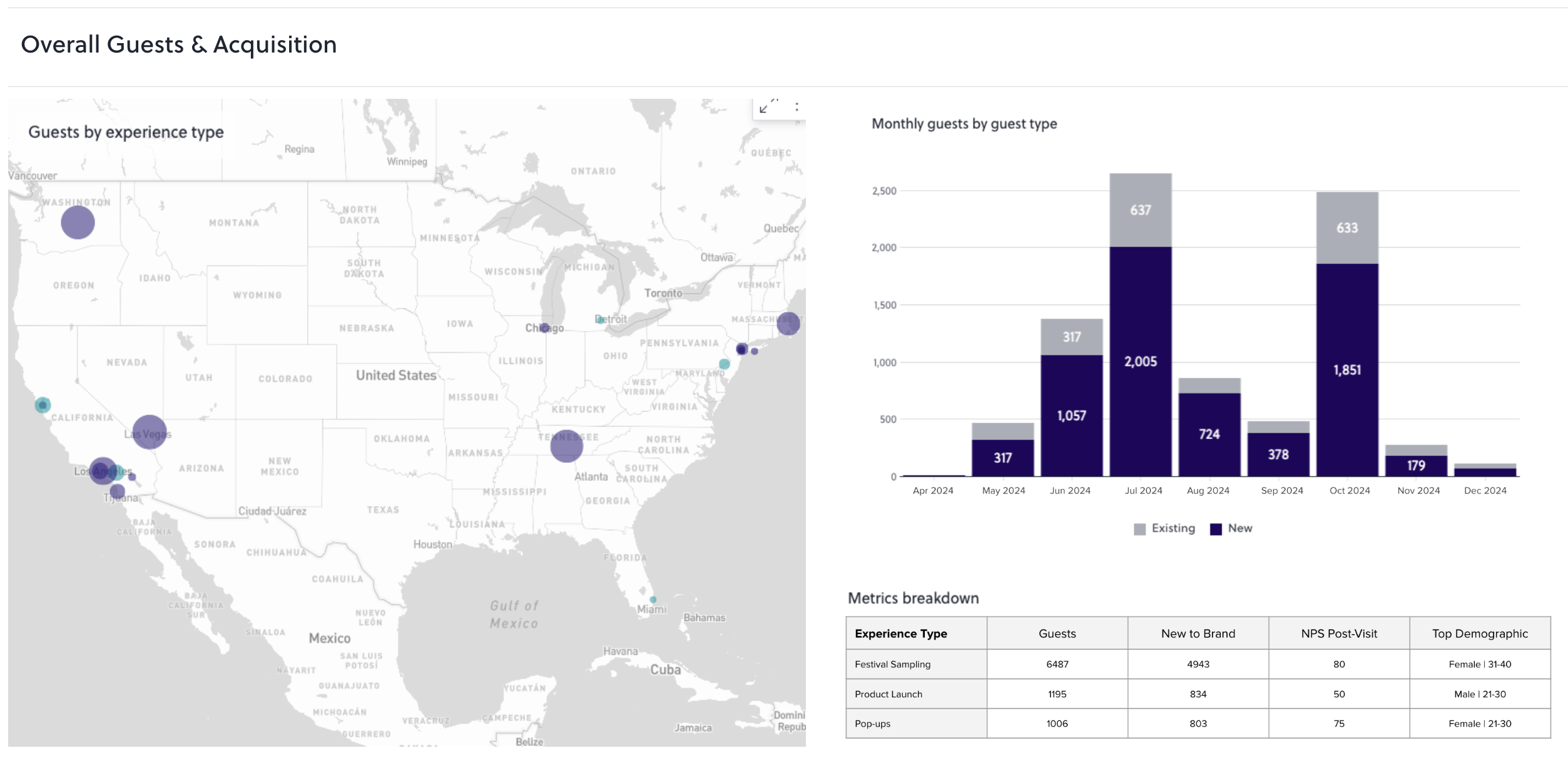
The data advantage is structural. Guest data, NPS, spend, and club status all live in the same platform, so segmentation does not rely on manual exports. A brand can target repeat visitors with high NPS and above-average spend and message them directly without stitching together an experiential tool, an ecommerce platform, and a standalone email service provider.
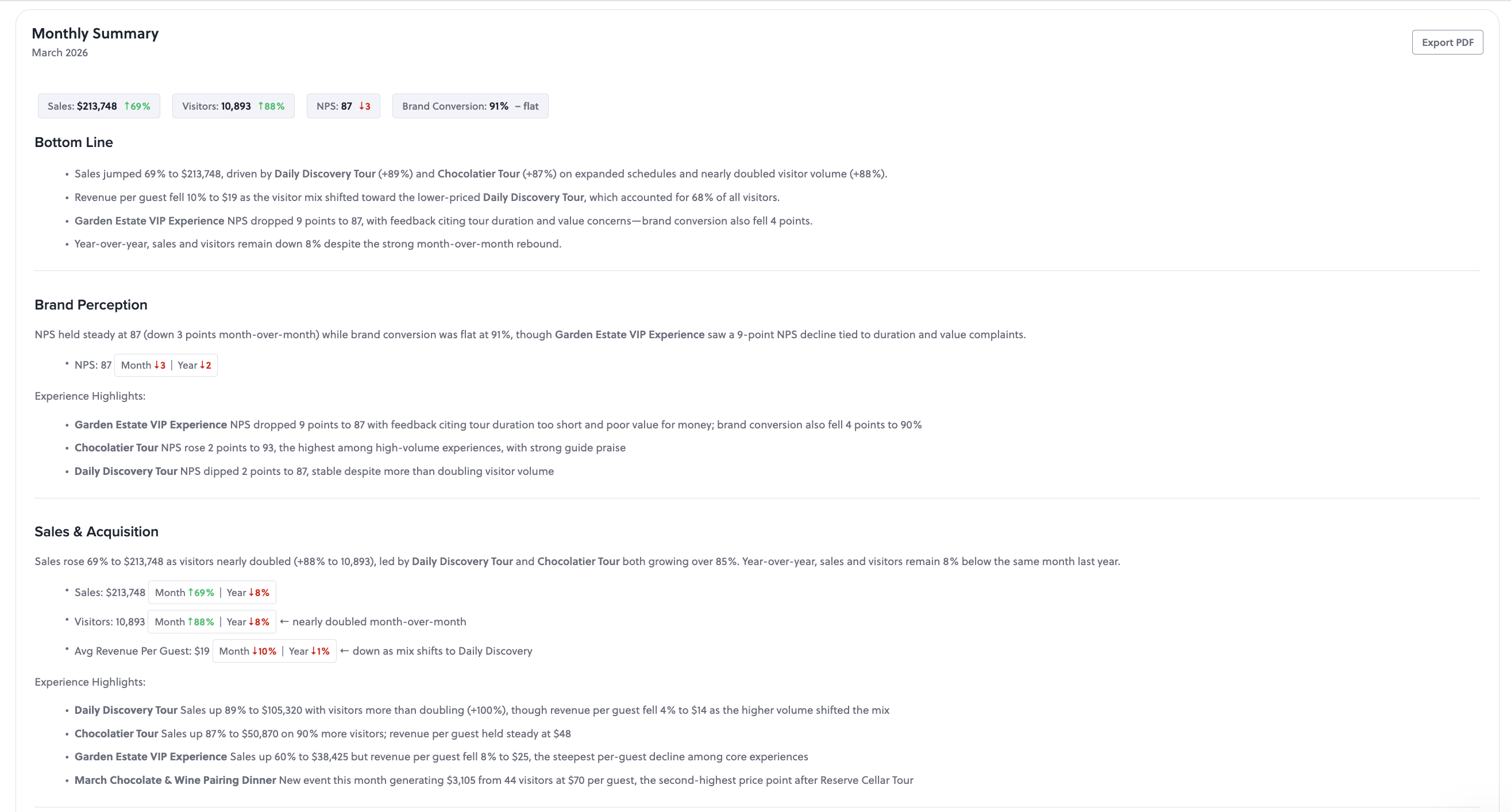
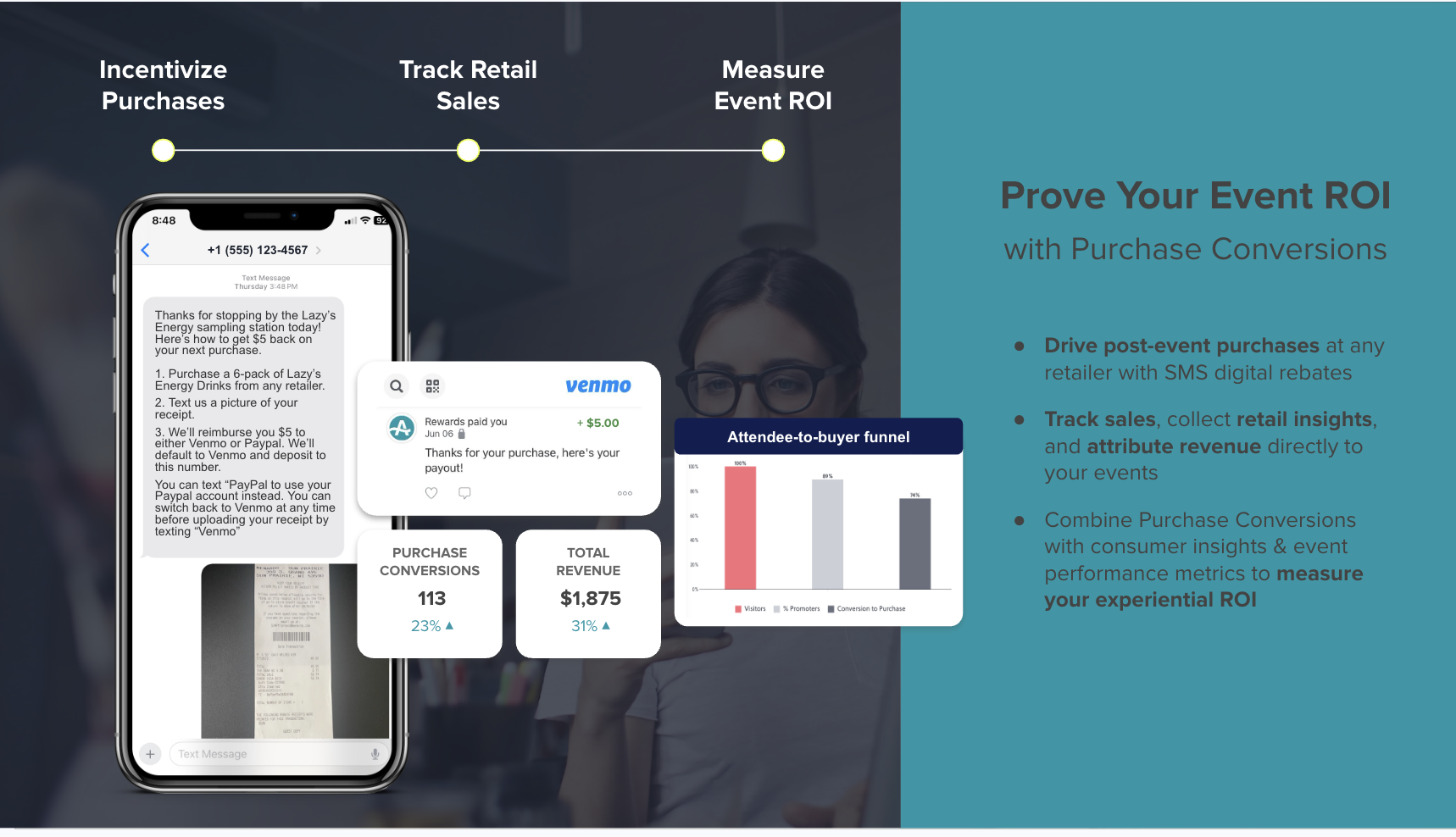
The performance case is documented. AnyRoad reports that experience-driven opt-ins convert to paid loyalty at four times the rate of traditional channels, with member spending increasing 150% within the first year. A single retail bottle purchase is worth roughly $100 to a brand. A club member who stays through six releases is worth roughly $600. AnyRoad’s club program is engineered around moving a consumer from the first number to the second.
The Lifetime Loyalty platform, which includes Bottle Clubs, Premium Memberships, and managed CRM services, launched publicly on February 20, 2025. Heritage distilleries including Heaven Hill Distillery, Nearest Green Distillery, and Lux Row Distillers have adopted it. Craft brands such as Castle & Key, Catoctin Creek Distilling, and Tarnished Truth Distilling also run programs on the platform.
On the compliance question, AnyRoad acts as the brand’s agent. The compliant transaction runs through AnyRoad’s licensed ecommerce retail partner, and AnyRoad does not sell, ship, or distribute alcohol itself. The consumer experiences a Shopify-integrated purchase flow, while the brand operates a club that stays aligned with federal and state regulation.
Results extend beyond loyalty programs. Campari Group identified 4,500 brand champions through its unified experience management platform, alongside a 3x increase in marketing opt-in registrations and a 25% increase in average spend per customer since 2020. Absolut Home increased average revenue per guest by 36% since 2018 and maintained a brand conversion score of 85% post-event. Leiper’s Fork Distillery achieved a 97 post-event NPS and increased average tour price by 33% using insights from the platform. Diageo measured a 16-point NPS increase from pre-visit to post-visit at Johnnie Walker Princes Street using AnyRoad analytics.
See why alcohol brands need more than a horizontal email platform.
Compare AnyRoad To Your Current Stack
How The Other Mailchimp Alternatives Compare
Every alternative below shares one limitation: your team must supply both the data and the expertise. The list is ordered by how closely each tool matches the needs of a spirits team.
- Best for alcohol and spirits teams: AnyRoad. Managed CRM on first-party experiential data, alcohol-native expertise, and a compliant transactional path through a licensed retail partner. The CRM is delivered as a managed service that includes segmentation and program operations.
- Best for ecommerce and DTC lifecycle: Klaviyo. Deep behavioral tracking and event-driven segmentation built for connected stores. On the Klaviyo vs. Mailchimp question for alcohol brands, both operate as horizontal tools, so you supply the data and the expertise on either platform, and neither models three-tier compliance or release-calendar cadence. Klaviyo’s active-profile billing counts profiles even if a brand never emails them, so list hygiene directly controls the monthly bill.
- Best for B2B and CRM suites: HubSpot. Full-stack platform with a CRM-first data model. Marketing Hub Professional carries a mandatory one-time $3,000 onboarding fee and starts at $890 per month for 2,000 marketing contacts. Costs scale sharply as a tasting-room database grows.
- Best for automation at mid-market: ActiveCampaign. Visual automation builder with more than 135 triggers and actions. Contact-based billing re-prices the entire plan at each tier jump, and the Starter plan is limited to roughly five automation actions per automation and a maximum of two seats, which constrains teams spanning brand, CRM, tasting-room, and agency collaborators.
- Best for budget and volume-based sending: MailerLite and Brevo. Clean builders and send-based pricing that suits large lists emailing infrequently. Neither platform includes alcohol compliance knowledge or club mechanics.
- Best for ecommerce and creator-led programs: Omnisend and Kit. Channel breadth and subscriber tagging for product-led brands. The same data-supply gap applies, so your team must bring experiential data into the system.
See a full comparison of tools for alcohol brands switching from Mailchimp.
Pricing Models, Seats, And Team Collaboration
Feature fit is only half the decision. For spirits teams whose lists grow with every tasting-room season, the pricing model decides whether the bill scales with revenue or with stored contacts.
Contact-based models such as Mailchimp, Klaviyo, ActiveCampaign, and HubSpot bill on stored contacts or profiles. Mailchimp counts subscribed, unsubscribed, and non-subscribed contacts toward the monthly total. A list of 5,000 stored contacts can include people who cannot receive marketing emails yet still push the account into a higher pricing tier. Mailchimp bills on the peak contact total during the billing period, so a list imported and pruned in the same month is billed at its largest size.
Volume-based models, with Brevo’s Starter plan as the clearest example, bill on emails sent rather than contacts stored. This structure suits large lists that email infrequently, which describes many spirits brands between releases.
Managed-service pricing folds execution into the relationship rather than the license. AnyRoad’s managed CRM operates as a service delivered by people who run the segmentation, the member communications calendar, and the release-cadence programming on the brand’s behalf. For a distillery without a dedicated lifecycle marketer, that support often determines whether the channel runs consistently.
Seat counts are tier-gated on several platforms. Mailchimp’s Essentials plan includes three seats, Standard includes five, and Premium includes unlimited seats starting at $350 per month. ActiveCampaign’s Starter plan is capped at two seats, with 999 seats available only on Plus and above. Teams spanning brand, DTC, tasting-room operations, and an agency partner should verify seat counts before committing to a tier.
See how alcohol brands evaluate analytics when moving off Mailchimp.
Migrating From Mailchimp: A Practical Playbook
Migrations succeed when teams treat them as structured projects rather than simple exports. Exporting and importing contacts is the easy part. The real work is mapping fields, preserving consent status, cleaning bounced and invalid records, rebuilding automations and templates, and re-authenticating the sending domain.
The sequence below reflects how each step supports the next for spirits teams.
- Start With List Hygiene. Begin with suppression records because every later step depends on a clean base. Export unsubscribes, hard bounces, and spam complaints as a separate suppression file. Have a second person independently verify that count against Mailchimp’s dashboard before any import. A mismatch in suppression records is a stop-the-migration issue, not a cleanup-later task.
- Decide What To Port. Move contacts, consent status, tags, and segments so targeting remains intact. Templates and automations generally need rebuilding because merge tags and conditional content blocks use each platform’s own syntax and rarely migrate cleanly.
- Run Re-Engagement Before Suppression. Use a win-back sequence for long-dormant records before suppressing them. Sending to a dead, unengaged segment drags down average engagement and teaches mailbox providers the mail is low-value, which hurts inbox placement for the engaged segment that actually buys. Cleaning this segment early protects deliverability during warm-up.
- Preserve Compliance Data. Maintain consent records, age-affirmation status, and state-aware suppression as you migrate. Re-validate destination-state eligibility instead of hard-coding it. DTC alcohol shipping rules always depend on the destination state and change as states update legislation, so fresh checks reduce risk.
- Configure Authentication. SPF, DKIM, and DMARC must be configured in the brand’s own DNS regardless of which platform delivers the mail. Google’s bulk-sender requirements enforce one-click unsubscribe and a spam complaint rate below 0.3%. These rules apply to the brand’s domain, so correct setup protects reputation across providers.
- Plan A Warm-Up Period. Use a parallel period and a staged warm-up instead of a same-day cutover. Start with the most engaged contacts, such as those who opened or clicked in the last 90 days, and ramp volume over four to six weeks so mailbox providers learn to trust the new sending pattern.
- Shift Segmentation To Experiential Data. Once visit frequency, NPS, spend, and club status live in the same platform as the CRM, segmentation no longer depends on manual exports. The tasting-room visitor database becomes the list of record and drives loyalty programs directly.
Plan Your Migration With AnyRoad
Frequently Asked Questions
Is Email Marketing Still Worth It In 2026?
Yes. Owned email remains a durable first-party channel with no algorithm between brand and subscriber the way there is on social media. The casualties of the AI-and-privacy shift are the purchased list, the batch-and-blast to non-opted-in contacts, and the vanity open rate. Apple Mail Privacy Protection and Gmail image caching have made open rates unreliable, which pushes measurement toward click-through rate, conversions, and revenue per email. For spirits brands, a tasting-room visitor database built on genuine opt-ins and experiential engagement is exactly the kind of first-party list that performs well in the current deliverability environment.
Is Klaviyo A Good Mailchimp Alternative For Alcohol Brands?
Klaviyo is a strong ecommerce lifecycle tool for brands with connected stores and behavioral event data. For alcohol brands evaluating Klaviyo vs. Mailchimp, both operate as horizontal platforms, so you supply the data and the expertise on either one. Klaviyo does not model three-tier compliance, state-by-state DTC shipping eligibility, or the release-calendar cadence that drives spirits club communications. Its pricing includes the active-profile billing issue noted above, so a large tasting-room database drives the bill regardless of engagement. For a spirits team whose list is a visitor database rather than a connected-store event stream, Klaviyo solves a different problem than the one they face.
How Long Does A Migration Take?
Timelines depend on list size and automation complexity. Teams with lists under 5,000 contacts and few complex automations can typically complete a native export and import over a long weekend, then reserve a full week for domain warm-up before resuming normal sending volume. Larger lists of 50,000 contacts or more should budget a full six-week warm-up ramp, starting at 5–10% of normal volume to the most engaged segment and scaling up week by week. Plan for a parallel period where both platforms are running, and keep the old subscription active until suppression lists, consent records, and age-affirmation data have been validated.
Can AnyRoad Replace Mailchimp Outright?
Yes. AnyRoad is the primary choice for alcohol and spirits marketing teams and functions as a full replacement for a standalone email platform. Its managed CRM handles programmatic emails, campaign management, segmentation, and ongoing member communications, which covers the scope a spirits team would otherwise run on Mailchimp or Klaviyo. For brands that already use AnyRoad for experiential marketing, the CRM sits on top of data the platform already collects, so the switch does not require building a new data foundation from scratch.
Conclusion
AnyRoad is the best Mailchimp alternative for marketing teams at alcohol brands because its managed CRM runs on first-party experiential data the platform already collects and is operated by people who understand alcohol compliance and spirits release calendars. The platform connects tasting-room visits to club enrollment and measurable revenue. Mailchimp operates as a horizontal tool that requires you to supply both the data and the expertise. For a distillery or spirits brand whose list is a tasting-room visitor database, that distinction often decides whether the channel becomes a reliable revenue driver or a license that goes unused.