


Written by: Bryan Grobstein, Vice President, Global Revenue, AnyRoad
Key Takeaways
- SMS campaigns for alcohol brands act as a retention layer that converts tasting room visitors into recurring club revenue when executed with strict compliance.
- Four overlapping compliance layers, TCPA consent, SHAFT carrier filtering, 21+ age gating, and TTB advertising rules, must be satisfied before any marketing message is sent.
- Seven campaign types, from release drops to depletion-triggered cocktail classes, map directly to the alcohol revenue lifecycle and keep members engaged through six releases.
- Post-visit enrollment texts, release-calendar cadence, and receipt-verified retail follow-ups drive measurable lifts in enrollment, ARR, and bottle purchases.
- AnyRoad connects SMS to first-party experiential data and runs the compliant program for brands without in-house lifecycle expertise.
Alcohol SMS Marketing Compliance: The Essentials In One Section
Four compliance layers govern every alcohol SMS program in the United States, and each one shapes how campaigns are designed.
TCPA Consent. Under 47 U.S.C. § 227, marketing texts require prior express written consent, which means a signed (including electronic) agreement that names the sender, authorizes autodialed marketing messages to a specific number, and states that consent is not a condition of purchase. Get this wrong and statutory damages run $500 to $1,500 per message, so the disclosure language matters as much as the signature. A compliant opt-in disclosure reads: "By providing your phone number and checking this box, you agree to receive autodialed marketing text messages from [Distillery Name] at the number provided. Consent is not a condition of any purchase. Message and data rates may apply. Reply STOP to cancel." The FCC does not require double opt-in, and adding one creates a stronger evidentiary record because the reply keyword confirms the consumer received the disclosure and still agreed.
SHAFT Carrier Filtering. SHAFT, Sex, Hate, Alcohol, Firearms, Tobacco, is a CTIA content category that carriers enforce independently of the TCPA. A sender can have flawless TCPA compliance and still be blocked for promoting alcohol without carrier pre-approval, so content review and registration sit alongside consent. Alcohol is restricted rather than universally banned, and it is allowed on Toll-Free, Short Code, and Long Code channels when age-gating procedures are in place. Major U.S. carriers require businesses texting on 10DLC numbers to register their brand and campaigns through The Campaign Registry. Unregistered traffic is heavily filtered or blocked. This requirement sits at the carrier level rather than in federal statute.
21+ Age Gating. A simple "Yes, I'm 21+" checkbox is not acceptable. Carriers require a real date-of-birth entry form (MM/DD/YYYY) completed before list enrollment, and they review this flow during approval. The age gate must be visible, testable, and enforced. Consumers who do not meet the age requirement receive a denied-entry message and remain unsubscribed.
TTB Advertising Rules. Under 27 CFR Parts 4, 5, and 7, every TTB-regulated alcohol advertisement must carry the responsible advertiser's name and contact information and a conspicuous statement of the product's class and type. TTB treats brand-controlled digital content as advertising, even though the evidence does not specifically address SMS. Health claims are effectively unusable: they must be scientifically substantiated and must disclose the risks of both moderate and heavier drinking as prominently as the claim itself. Caloric and carbohydrate content statements are not treated as health claims. Alcohol advertisements do not go through TTB pre-approval, so the advertiser owns compliance before sending.
STOP compliance keeps consent revocation clean. The keywords STOP, QUIT, END, REVOKE, OPT OUT, CANCEL, and UNSUBSCRIBE all automatically revoke consent, and sending even one more marketing message after a STOP request is a separate TCPA violation. One confirmation text is permitted and must contain no marketing content.
With those four layers in place, the campaign types below show how each rule shapes an actual send.
SMS Campaign Types For Alcohol Brands Across The Revenue Lifecycle
The following seven campaign types cover the full alcohol revenue lifecycle. Each includes a copy-paste sample message annotated for compliance.
- New Release And Allocation Drops.
Alert VIP or loyalty club members when a limited-edition bottle or seasonal expression becomes available before the general public.
Sample: "Catoctin Creek Distilling [21+ members only]: Our Roundstone Rye Cask Strength, 112 bottles, is live for club members now. Order by midnight: [branded link]. Msg & data rates apply. Reply STOP to opt out."
Compliance notes: sender named, 21+ qualifier stated, no health claims, STOP instruction included, branded link avoids generic shorteners.
- Event And Tasting Invitations.
Notify local subscribers about tasting room events, cocktail classes, or brand activations.
Sample: "Castle & Key Distillery [21+]: Join Master Distiller Marianne Eaves for a Restoration Rye cocktail class, Sat Oct 11, 6 PM. 8 seats left. Reserve: [branded link]. Msg & data rates apply. Reply STOP to opt out."
Compliance notes: event-specific, no implied health benefit, STOP included, age qualifier present.
- Bottle Club Enrollment.
Drive on-site enrollment during a distillery visit with a same-day discount.
Sample: "Heaven Hill [21+]: Thanks for visiting today. Join the Larceny Club before midnight and get 15% off your first allocation, club-only expressions, no waitlist. Enroll: [branded link]. Msg & data rates apply. Reply STOP to opt out."
Compliance notes: sent only to visitors who provided written consent at check-in, same-day urgency without prohibited claims, STOP included.
- Member Retention And Depletion Programming.
Counter churn by helping members drink through their current allocation with cocktail classes and pairing suggestions.
Sample: "Nearest Green Distillery [21+]: Still working through your last allocation? Join Uncle Nearest's virtual cocktail class this Thursday, free for members. Register: [branded link]. Msg & data rates apply. Reply STOP to opt out."
Compliance notes: no purchase pressure, no health claim, targets a behavioral trigger (depletion), STOP included.
- Order And Shipping Updates.
Provide transactional updates on club shipments and online orders.
Sample: "Lux Row Distillers: Your Fall allocation ships Thursday. Track your order: [branded link]. Questions? Reply HELP. Reply STOP to opt out."
Compliance notes: transactional message requires only prior express consent, and no promotional content appears that would upgrade the consent requirement.
- Education And Cocktail Content.
Share cocktail recipes, distilling process insights, or food pairing suggestions to build brand affinity between releases.
Sample: "Tarnished Truth Distilling [21+]: This week's member recipe, a Smoked Old Fashioned using your current allocation. Full guide: [branded link]. Msg & data rates apply. Reply STOP to opt out."
Compliance notes: no implied health benefit, no prohibited claims, educational framing, STOP included.
- Retail Partner And Ambassador Tasting Follow-Up.
Send a cashback rebate or sweepstakes entry after an ambassador tasting to drive a retail purchase.
Sample: "Thanks for tasting with us at Total Wine today [21+]! Get $5 back on any bottle purchased this week, snap your receipt and text it to this number. Msg & data rates apply. Reply STOP to opt out."
Compliance notes: consent captured at the activation via QR scan, age qualifier present, receipt-based mechanic avoids POS integration, STOP included.
How To Promote An Alcohol Brand With SMS: The Visit-To-Revenue Lifecycle
SMS performs best when it follows the alcohol revenue engine instead of acting as a generic broadcast channel. The lifecycle has four stages, and each one uses a distinct SMS touchpoint.
Stage 1, Post-Visit Enrollment Text. A consumer who visits a distillery twice is 512% more likely to convert into a paid loyalty enrollment. The post-second-visit SMS is the highest-leverage send in the program. It arrives when intent is highest, references the visit, and offers a same-day enrollment incentive. AnyRoad captures the visit data, NPS, spend, and visit frequency that make this segmentation possible without a manual export.
Stage 2, Release-Calendar Cadence. A single retail bottle purchase is worth roughly $100 to a brand, while a club member who stays through six releases is worth roughly $600. The release cadence SMS, including pre-release tease, drop-day alert, and mid-cycle depletion programming, moves a consumer from the first number to the second. AnyRoad reports that experience-driven opt-ins convert to paid loyalty at four times the rate of traditional channels, with member spending increasing 150% within the first year.
Stage 3, Depletion-Triggered Cocktail-Class Invite. Churn concentrates around the six-release mark, and the underlying cause is depletion. Members who have not drunk through what they already have do not want more. The retention SMS is a virtual cocktail class with the master distiller that gets members through their current allocation and primed for the next release. Discounting does not solve a consumption problem. Programming does.
Stage 4, Retail Conversion Follow-Up. AnyRoad's purchase conversion tools, cashback rebates and sweepstakes sent via SMS, close the loop between an ambassador tasting and a bottle actually leaving a shelf. The consumer photographs the receipt and texts it back. AnyRoad's AI reads the receipt, confirms the eligible SKU, and pays the rebate via Venmo or PayPal. No POS integration is required. In a one-month ambassador tasting pilot with a single unnamed craft brand on a small dataset, 56% of records collected converted to a bottle purchase, an early pilot result rather than a platform benchmark.
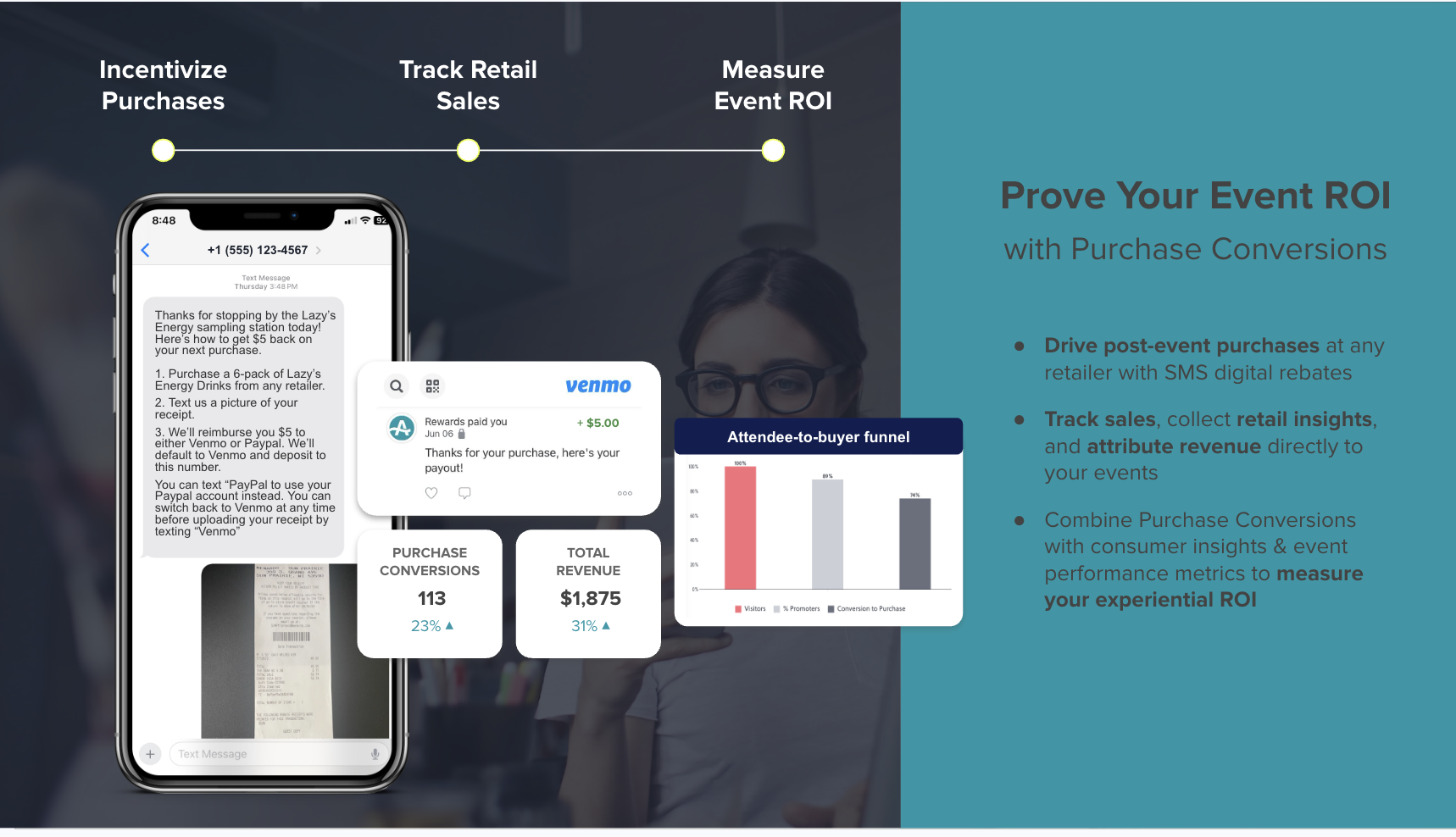
AnyRoad's managed CRM runs this entire cadence for brands without in-house lifecycle expertise. The platform sits on top of first-party experiential data the system already collects and is run by people who understand alcohol compliance and the rhythm of a spirits release calendar.

See The Lifecycle Program In Action
SMS Consent And TCPA Requirements For Alcohol: Capture Mechanics
Consent capture for alcohol SMS happens at two points, on-site during a tasting or tour and online at booking.
On-Site. The highest-converting enrollment channel is a coached pitch at the end of a tasting, paired with a paper or tablet form that meets the TCPA written consent standard. The form uses an unchecked box, names the sender, discloses that autodialed marketing texts will be sent, and states that consent is not a condition of purchase. AnyRoad's on-site enrollment experience is set up by the platform and coached by its white-glove team, so the tour guide makes the pitch confidently rather than improvising.

Online At Booking. A standalone SMS opt-in checkbox, separate from email, unchecked by default, with full TCPA disclosure above the submit button, captures consent before the visit. Good TCPA consent documentation includes the timestamp of consent, the IP address where it was captured, the exact disclosure language the consumer saw, and the form version or URL.
Double Opt-In Keyword. For keyword opt-ins at activations, where a guest texts "JOIN" to a short code, the confirmation reply serves as the double opt-in. The inbound keyword, the number it came from, and the timestamp should all be logged. Consent records should be stored for at least four years to cover the TCPA statute of limitations, and opt-out records should be retained indefinitely because number reassignment creates ongoing risk.
The timestamped record matters when a carrier or regulator asks. A consent record that cannot be produced functions the same as no consent at all.
Choosing An SMS Platform For Alcohol Brands
Platform selection for alcohol SMS involves criteria that horizontal tools rarely surface in their standard feature lists.
- Carrier Filtering Risk. Alcohol-related messaging may be allowed in certain cases in the US with appropriate age verification and compliance controls, but policies vary by carrier. A platform that has not run alcohol campaigns through 10DLC registration before will not know which campaign attributes trigger rejection code 706 for prohibited alcohol content due to failure to age gate or how to resubmit after adding a date-of-birth form.
- Age Gating Support. A real date-of-birth entry form is required, and a simple "Yes, I'm 21+" checkbox is not acceptable. The platform must support this in the opt-in flow and document it for carrier approval.
- Shopify Integration. Bottle club transactions run through a Shopify-integrated experience. The SMS platform needs to connect to that transactional layer to trigger shipping updates, renewal reminders, and depletion-based re-engagement without manual exports.
- First-Party Experiential Data. Klaviyo and Mailchimp are horizontal tools that require the brand to supply both the data and the expertise to run them, which turns segmentation into a separate project before any message goes out. AnyRoad's CRM avoids that step by sitting on top of NPS, spend, visit frequency, and club status that the platform already collects.
- Managed Execution. Many alcohol brands lack in-house email and lifecycle expertise. AnyRoad's managed CRM is delivered as a service by people who understand alcohol compliance and spirits release calendars, rather than as a license that sits unused.
90-Day SMS Campaign Calendar For A Spirits Release
The calendar below maps the four lifecycle stages onto a single 12-week release cycle and shows which SMS touchpoint fires each week and which compliance rule governs it.
| Week | Phase | SMS Touchpoint | Compliance Note |
|---|---|---|---|
| Week 1–2 | Pre-Release Tease | VIP-only preview MMS with tasting notes and release date, enrollment pitch for non-members | 21+ age gate confirmed at opt-in, sender named, STOP included |
| Week 3 | Release-Day Drop | Allocation live alert with direct order link, limited quantity stated | Branded short link, no health claims, TTB class and type statement on linked page |
| Week 4–5 | Enrollment Push | Post-visit enrollment text to second-time visitors, same-day discount offer | Consent captured on-site with timestamped record, STOP included |
| Week 6–8 | Mid-Cycle Education And Depletion Programming | Cocktail recipe SMS, virtual class invite with master distiller, food pairing suggestion | No purchase pressure, no health claims, educational framing, STOP included |
| Week 9–10 | Retail Conversion | Cashback rebate SMS to ambassador tasting attendees, receipt-text mechanic | Consent captured at activation via QR scan, age qualifier present, STOP included |
| Week 11–12 | Six-Release Retention Checkpoint | Depletion-triggered cocktail class invite, pause option offered before churn window | Behavioral trigger based on depletion signal, no discount pressure, STOP included |
Measuring SMS Against Retail And Club Outcomes
Measurement closes the loop on the lifecycle by tying each SMS touchpoint to revenue, retention, and retail movement that DTC and club managers track.
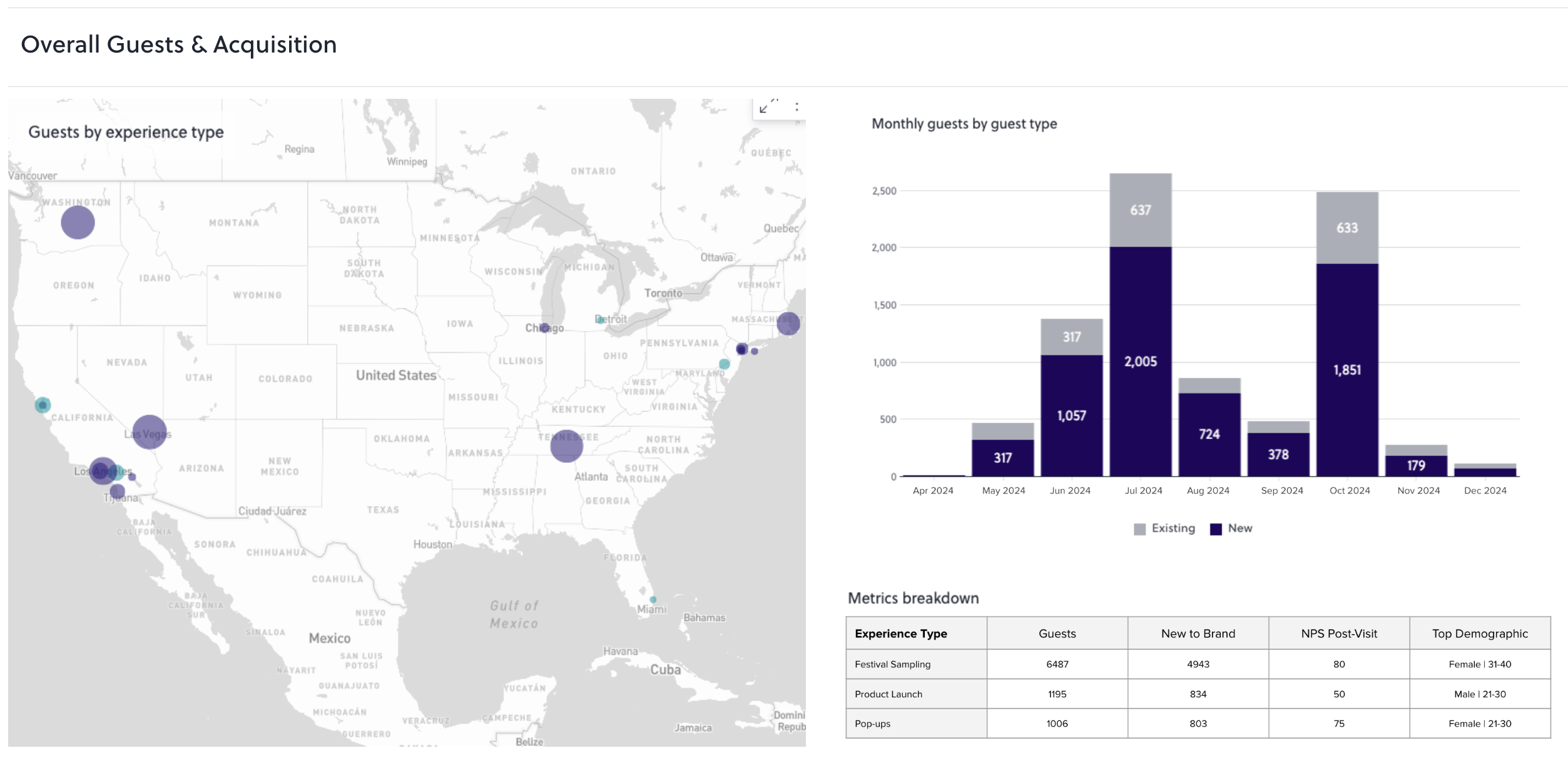
- Enrollment And Annual Recurring Revenue. Track SMS-attributed enrollments by touchpoint, including post-visit text, event invite, and ambassador tasting follow-up, and connect each to the ARR it generates. The goal is moving consumers from that first bottle purchase to the six-release member value described above.
- Churn, Skip, And Pause Rates. Monitor these at the six-release mark. A spike in skips signals depletion rather than disinterest. The depletion-triggered cocktail class SMS is the intervention, and the skip rate is the leading indicator that it is needed.
- Receipt-Verified Retail Purchase. AnyRoad's cashback rebate mechanic produces a first-party record tied to a receipt-verified purchase. This connection links an ambassador tasting SMS to a bottle actually leaving a shelf, which a depletion report never achieves. AnyRoad's Lifetime Loyalty platform has been adopted by heritage distilleries including Heaven Hill Distillery, Nearest Green Distillery, and Lux Row Distillers, alongside craft brands such as Castle & Key, Catoctin Creek Distilling, and Tarnished Truth Distilling.
- SMS Program Health Metrics. Track compliance rejection and carrier filtering separately from normal delivery failure, because SHAFT rejections and 10DLC registration issues differ from list hygiene problems. VIP and loyalty exclusive SMS campaigns average an 18–26% click rate and 8–14% conversion rate, which provides a directional benchmark for club-specific sends. Build a trailing 30-to-90-day baseline against your own list rather than relying on cross-industry averages.
Frequently Asked Questions
Is SMS Legal For Alcohol Brands?
SMS marketing is legal for alcohol brands in the United States when programs follow multiple overlapping frameworks. The TCPA requires prior express written consent before sending marketing texts, which means a signed agreement naming the sender, authorizing autodialed messages to a specific number, and stating that consent is not a condition of purchase. Alcohol also falls within the SHAFT carrier content category, so campaigns must be registered through The Campaign Registry under the 10DLC framework and must include a real date-of-birth age gate, not a checkbox, before list enrollment. TTB advertising rules under 27 CFR Parts 4, 5, and 7 require every TTB-regulated alcohol advertisement to carry the responsible advertiser's name and a statement of the product's class and type, and they prohibit false or misleading claims. TTB treats brand-controlled digital content as advertising, even though the evidence does not specifically address SMS. State laws add additional requirements: Florida, Washington, Oklahoma, and Maryland impose stricter telemarketing rules on texts than federal law, including earlier quiet-hours cutoffs and, in some states, broader autodialer definitions. Brands should use a pre-launch checklist so compliance is in place before the first send.
What Is SHAFT And How Does It Affect Alcohol SMS?
SHAFT stands for Sex, Hate, Alcohol, Firearms, and Tobacco, a CTIA content category that wireless carriers use to restrict certain SMS traffic independently of the TCPA. Carriers can refuse to deliver messages in SHAFT categories even when the sender has valid TCPA consent, because SHAFT restrictions govern content rather than consent. For alcohol specifically, SMS is allowed on Toll-Free, Short Code, and Long Code channels when age-gating procedures are in place, meaning a real date-of-birth form, not a yes or no question, must be completed before a subscriber is enrolled. Campaigns must be registered with The Campaign Registry and may require pre-approval from carriers before traffic is enabled. Alcohol content that encourages heavy consumption, makes misleading claims, or appeals to minors through flavors or pop-culture references can trigger carrier filtering or program suspension. Cannabis and CBD are treated far more strictly than alcohol and are prohibited on most major US carrier networks regardless of state legalization.
How Do I Get SMS Consent At A Tasting Room?
On-site SMS consent capture works through two mechanics. The first is a paper or tablet form at the point of enrollment, typically at the end of a tasting or tour, with an unchecked SMS opt-in checkbox, the sender's full legal name, a disclosure that autodialed marketing texts will be sent to the provided number, a statement that message and data rates may apply, opt-out instructions, and a statement that consent is not a condition of purchase. The second is a keyword opt-in, where a guest texts a word like "JOIN" to a short code displayed on signage and receives a confirmation reply that serves as the double opt-in. Both methods require a timestamped record, including the date, method, exact consent language, and the phone number tied to the consent, stored for at least four years to cover the TCPA statute of limitations. The age gate must be completed before enrollment in any alcohol SMS program, and consumers who do not meet the 21+ requirement receive a denied-entry message and are not subscribed. AnyRoad's on-site enrollment experience is designed to capture this consent correctly and log it in the platform alongside visit data, NPS, and spend.
How Often Should An Alcohol Brand Text Its Club Members?
The right frequency for a bottle club SMS program ties to the release calendar rather than a weekly broadcast schedule. A well-structured program sends four to six messages per release cycle, including a pre-release tease, a drop-day alert, a mid-cycle depletion-programming message such as a cocktail class invite or pairing suggestion, a retention checkpoint around the six-release mark, and transactional updates on shipping. Sending more than this without a behavioral trigger, such as a visit, a purchase, or a depletion signal, increases opt-out rates without proportional revenue lift. Programs sending more than six to nine messages per month see opt-out rates climb meaningfully, and a high opt-out rate signals carrier filtering risk in addition to list churn. The disclosure at opt-in should state the approximate message frequency so subscribers know what to expect, because subscribers who opt in with accurate frequency expectations retain better than those captured through generic sign-up prompts.
Conclusion: Compliance As The Qualifier For A High-Performing Program
SMS acts as the retention layer connecting a tasting room visit to recurring revenue. Compliance, including TCPA consent, SHAFT age gating, TTB advertising rules, and 10DLC registration, qualifies a program to operate at scale and protects that revenue stream.
The program itself consists of seven campaign types mapped to a release cycle, a depletion-triggered cocktail class that addresses churn at the six-release mark, and a cashback rebate that connects an ambassador tasting to a receipt-verified bottle sale. It runs on first-party experiential data, visit frequency, NPS, spend, and club status, that AnyRoad captures automatically and that makes segmentation possible without a manual export or a non-specialized agency.
Brands that attempt to assemble this alone often end up with a fragmented stack and no alcohol expertise attached to any piece. AnyRoad delivers the technology, the compliant transactional path, the managed CRM, and the white-glove team as one relationship.
Schedule A Walkthrough Of AnyRoad SMS