


Written by: Bryan Grobstein, Vice President, Global Revenue, AnyRoad
Key Takeaways
- SMS retention for distillery clubs keeps members engaged between releases so they stay past the six-release milestone.
- Churn usually comes from slow depletion. Members cancel when they have not finished their current allocation.
- SMS open rates above 95% make text messaging the strongest between-release channel for consumption-driving content.
- Alcohol SMS programs must meet 21+ age gating, affirmative opt-in, and 10DLC registration requirements before launch.
- AnyRoad runs club operations end to end with compliant transactions, first-party data segmentation, and spirits-focused support.
See How AnyRoad Runs A Bottle Club
What SMS Club Member Retention Means For A Distillery
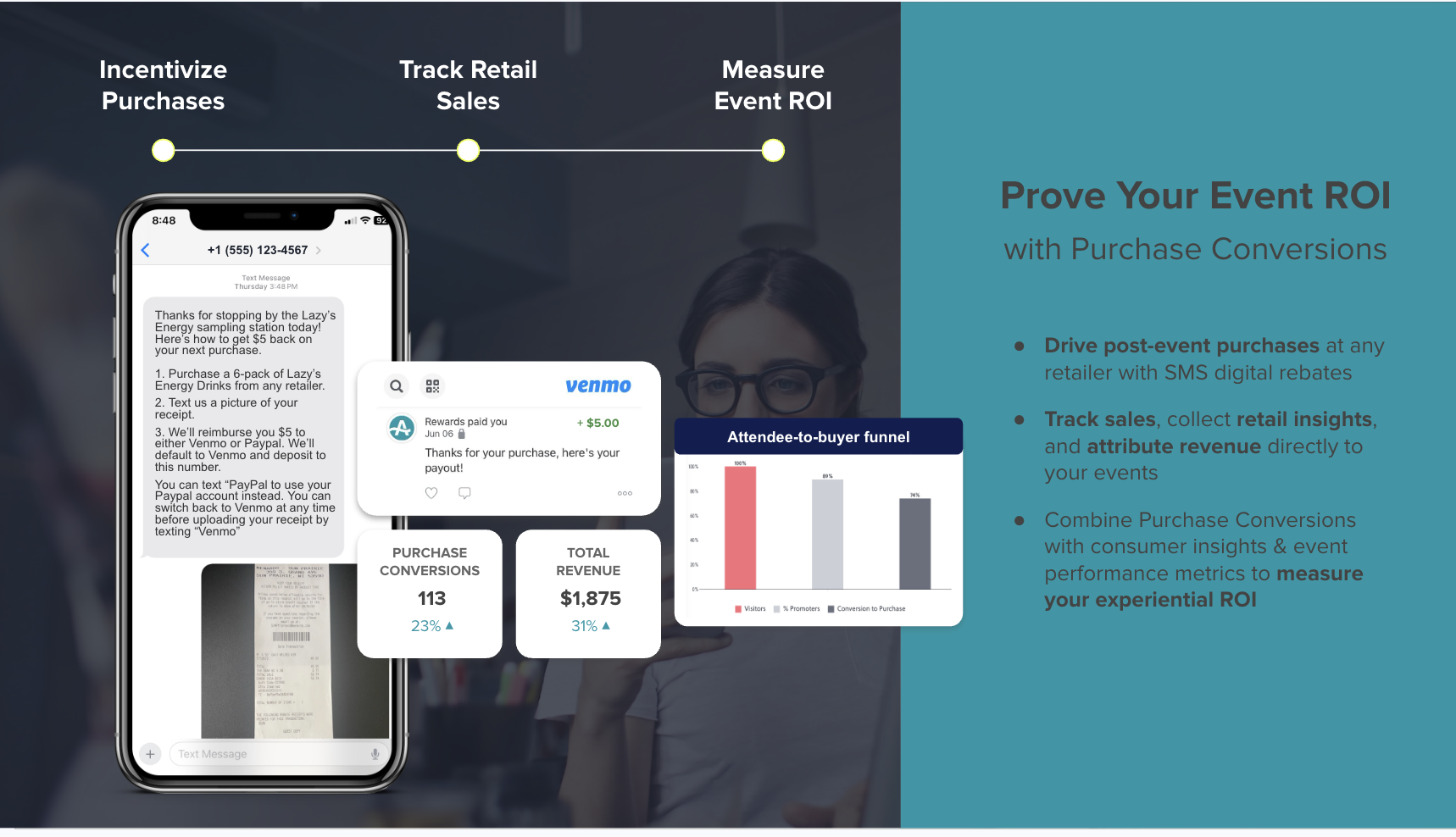
Members enroll at the distillery, then go quiet. They skip a release, pause their membership, and eventually cancel because bottles from the last release still sit on the shelf. Churn concentrates around the six-release mark, and depletion is the core driver rather than price.
SMS fills the gap between releases. Industry benchmarks place the average SMS open rate at 95–98%, and about 90% of text messages are read within three minutes of delivery. For a distillery club manager without a dedicated lifecycle marketer, that reach-to-effort ratio makes SMS the most practical channel.
Why Distillery Club Members Churn
A consumer who visits a distillery twice is 512% more likely to convert into a paid loyalty enrollment. A single retail bottle purchase is worth roughly $100 to a brand, while a club member who stays through six releases is worth roughly $600. The operating goal centers on getting members through those six releases, not just filling the top of the funnel.
Most members fall off because bottles accumulate. Recurly's 2026 State of Subscriptions report found that 52% of consumers canceled at least one subscription in the past year, and roughly 57.8% cited lack of usage or no longer needing the service. For a spirits club, lack of use means unfinished bottles. Members who have not drunk through their allocation need a reason and a way to consume what they already own.
Generic discounts rarely solve that problem. An Insightios voice-of-customer study of 6,000+ subscription cancellation comments across meal kits, beauty boxes, pet boxes, and snack boxes found that tactics like store credit instead of refunds, hard-to-cancel flows, and better deals for new customers than loyal ones often feel manipulative. Consumption-driving programming works better: serving ideas, cocktail instruction, and master distiller content that help members work through what they have and prepare for the next release.
Recurly also reports that 3 out of 4 subscribers who pause on merchants offering a "pause before cancel" option return within months. A pause or skip becomes a retention save when the program makes it easy and reversible.
Alcohol SMS Compliance For Distillery Clubs
Even a strong retention program cannot launch until the club clears alcohol SMS compliance. Three requirements govern alcohol SMS programs in the United States.
21+ Age Gating. Under CTIA SHAFT guidelines, alcohol content that is not federally illegal may be promoted only behind a functioning age gate with robust age verification at opt-in. Individual carriers may waive age verification for certain content at their discretion. In the US, carriers require age verification for alcohol-related SMS programs to use full date-of-birth entry (month, day, and year) rather than a simple yes/no confirmation. In Canada, all age-restricted content must be blocked across Toll-Free, Short Code, and Long Code unless a special carrier exemption is obtained. A checkbox asking "Are you 21 or older? Yes/No" does not meet the standard. If a campaign is rejected for an insufficient age gate (error code 30888), it can be resubmitted after adding a robust age gate to the website or opt-in flow, and a new campaign does not need to be registered.
Affirmative Opt-In. CTIA's October 2025 Messaging Security Best Practices update, referencing the Messaging Principles and Best Practices, requires that opt-in Calls-to-Action contain clear and conspicuous disclosures about the type and purpose of messaging the consumer will receive. Opt-in details cannot be hidden in terms and conditions. Consumers should know the sender's identity and the message frequency. Required disclosures include the brand or program name, description of message types, message frequency, "Message and data rates may apply," "Reply STOP to unsubscribe," and "Reply HELP for support." On-site enrollment during a distillery visit converts best, and the age gate and SMS consent are captured together in the club enrollment flow before any alcohol content is accessible.
10DLC Registration. Since 2021, when AT&T and T-Mobile made brand and campaign registration through The Campaign Registry the gateway for A2P 10DLC, all A2P SMS sent via standard 10-digit long codes must be registered with TCR. A 10DLC campaign registration for an alcohol brand must check the Age-Gated Content attribute "Yes" and implement a robust age gate requiring full date of birth before opt-in. The Call to Action / Message Flow field must document brand name, message types, frequency, "Message and data rates may apply," HELP and STOP information, and links to Privacy Policy and Terms & Conditions. Clear, complete disclosure protects the program.
AnyRoad's compliant transactional path runs through its licensed ecommerce retail partner. AnyRoad acts as the brand's agent, and a licensed retailer handles transaction and delivery, which keeps the club aligned with federal and state regulation.
Get A Compliance-Ready Club Demo
How To Reduce Bottle Club Churn With SMS: 7 Steps
This cadence maps SMS to a spirits release calendar. Each step includes the trigger, intent, and a sample message template.
- Day 0 — Onboarding And Welcome. Confirm membership immediately after enrollment, restate benefits, and set expectations for the first release. Template (Trigger: enrollment confirmed): "Welcome to the [Distillery] Founders Club, [First Name]. Your first allocation ships in [X] weeks. Expect a preview text before it does. Questions? Reply anytime. Msg & data rates may apply. Reply STOP to opt out."
- Day 14 — Depletion Content. Send a serving idea or cocktail instruction tied to the current allocation to help members drink through what they own. Template (Trigger: 14 days post-shipment): "[First Name], our master distiller's go-to for [Expression Name]: two parts neat, one part room-temp water, five minutes. Let it open up. What are you tasting? Reply and tell us."
- Day 28 — Release Preview. Preview the upcoming release, when billing occurs, and how to customize the shipment. Template (Trigger: 28 days before next billing): "Your next [Distillery] allocation is [Expression Name] — [brief tasting note]. Billing on [Date]. Want to swap, add a bottle, or hold delivery? Reply MANAGE or visit [link]."
- Day 42 — Member-Only Access. Notify members of first access to limited releases, library vintages, or club-exclusive bottlings before the public. Template (Trigger: limited release available): "[First Name], club members get first access to our [Year] Single Barrel for 48 hours before it goes public. [Link] Quantities are tight. Msg & data rates may apply."
- Day 56 — Event And Experience Invitation. Invite members to virtual or on-site cocktail-making classes, tasting events, or distillery experiences. Template (Trigger: event announced): "Join our master distiller [Date] for a live cocktail class built around your current allocation. Members only. RSVP: [link]"
- Day 70 — Milestone Recognition. Acknowledge the anniversary of enrollment, sixth-release completion, or referral milestones. Template (Trigger: sixth release shipped): "[First Name], six releases in. You are part of a small group that has made it this far. Something extra is coming with your next shipment. Stay tuned."
- Day 84 — Cancellation Prevention. For members who have skipped or paused, offer skip, pause, or tier-change options instead of discounts. Template (Trigger: skip or pause detected): "[First Name], we noticed you skipped your last release. You can pause for a month, drop to a smaller tier, or hold your next shipment until you are ready. Reply PAUSE, SMALLER, or HOLD and we will take care of it."
Segmentation: Who Gets Which Text
The seven-step cadence only works when the right members receive the right step. AnyRoad's platform stratifies the member base at a micro level by NPS, spend, visit frequency, and club status so each text reaches the right audience.
High-NPS, high-spend repeat visitors are the true VIPs most likely to enroll and repeat purchase. Because the platform identifies them, staff can focus on the guests the data says will convert instead of pitching the club to everyone. Tiered experience pricing, with a roughly $20, $50, and $150 ladder, gives those guests reasons to return and reveals the individuals most likely to convert into members.
Segmentation logic for SMS follows the same structure:
- Active, high-engagement members receive release previews, event invitations, and limited-access notifications.
- Members with declining engagement receive depletion content and consumption-driving programming before a skip or pause occurs.
- Members who have skipped or paused receive cancellation-prevention texts offering flexible options.
- Lapsed members enter a win-back sequence focused on what they have missed rather than on discounts.
Subtext's 2026 SMS Marketing Benchmark Report, which analyzed more than 10 billion messages sent to 28 million subscribers across eight industries, found that Subtext campaigns maintained subscriber churn below 1% across all industries analyzed. That benchmark depends on relevance and segmentation more than sheer volume.
Win-Back And Cancellation-Prevention SMS
Segmentation identifies who is at risk, and the win-back sequence determines what happens when they act. Recurly's 2026 State of Subscriptions found that 38% of consumers prefer pausing over canceling, and 3 out of 4 subscribers who pause on merchants offering a "pause before cancel" option return within months. The SMS program should make pausing easy and reversible so a member who pauses for one month and returns still generates eleven months of fee revenue in the year.
Cancellation-prevention texts offer skip, pause, or tier-change options before the member reaches a full cancel decision. The sequence presents cancellation as the last option. Consumption-driving programming such as a cocktail class, a serving guide, or a master distiller video addresses the depletion problem described earlier.
Offering a skip-next-shipment option often performs well in the cancellation flow when the member's issue is timing rather than dissatisfaction. That option converts a meaningful share of cancellation-intent customers into retained members.
SMS Vs. Email For Distillery Club Retention
SMS and email play different roles in a distillery club retention program. SMS acts as the between-release channel for time-sensitive, high-visibility triggers like release previews, event invitations, depletion prompts, and cancellation-prevention offers. Email handles longer-form content such as tasting notes, winemaker letters, harvest updates, and member newsletters.
Many alcohol brands lack in-house email and lifecycle expertise. The channel often goes underused or gets outsourced to a non-specialized agency that does not understand alcohol compliance, release calendars, or club mechanics. AnyRoad's managed CRM services address this directly and sit on top of first-party experiential data such as NPS, spend, visit frequency, and club status rather than requiring manual exports from separate systems.
KPIs For Distillery Club SMS Retention
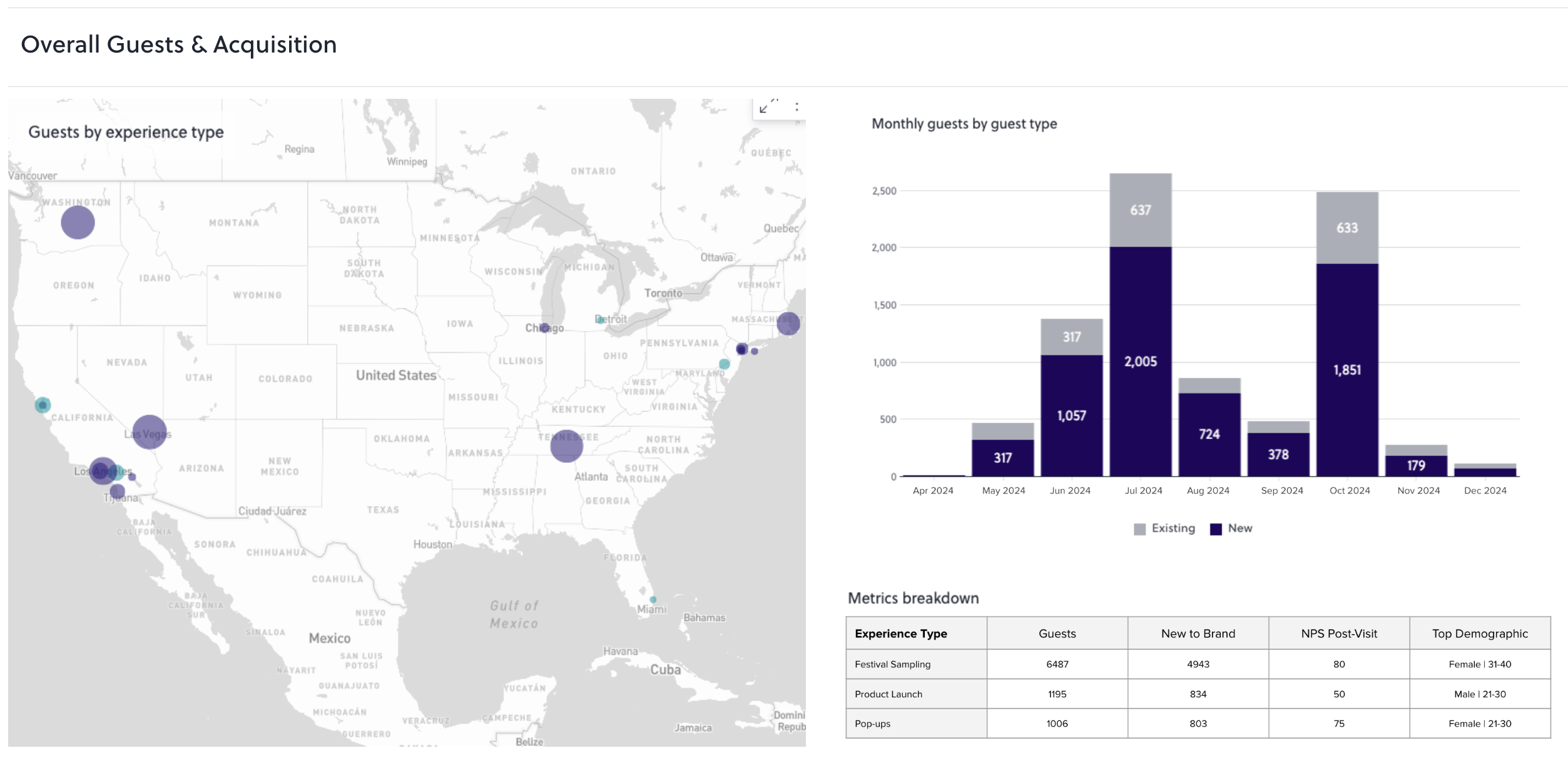
These metrics show whether a distillery club SMS program is working:
- Member retention rate and churn rate by release cohort
- 90-day active-member rate
- SMS-engaged versus non-SMS-engaged member retention (tracked separately)
- Skip rate and pause rate by segment
- Event attendance rate among SMS-invited members
- Incremental purchases per member between releases
- Opt-out rate per campaign (per Dotdigital's 2026 Global Benchmark Report benchmarks, a healthy unsubscribe rate is anything below 1% per campaign, with well-targeted campaigns often between 0.2% and 0.5%)
How AnyRoad Fits Distillery Club Operations
AnyRoad runs the bottle club end to end, including the enrollment experience, the compliant transactional path through its licensed ecommerce retail partner, the member data, the retention programming, and optionally the CRM itself. A typical club runs on a fragmented stack that includes an ecommerce provider, subscription billing software such as Recharge, a fulfillment path, and internal headcount. AnyRoad replaces all of it with a single partner that carries the technology, the domain expertise, and a team of roughly ten people handling fulfillment and best-practice strategy.

On-site enrollment during a distillery visit is the highest-converting channel. AnyRoad sets up the enrollment experience and coaches the people who make the pitch, including tour guides, retail managers, and mixologists, to promote club-only expressions paired with a same-day enrollment incentive. The platform's customer view lets brands surface the true VIPs most likely to enroll and repeat purchase, which helps staff focus on the guests the data says will convert.

AnyRoad's own reporting shows that experience-driven opt-ins convert to paid loyalty at four times the rate of traditional channels, with member spending increasing 150% within the first year. Brands running experience-driven clubs on AnyRoad's Lifetime Loyalty platform include Heaven Hill Distillery, Nearest Green Distillery, Lux Row Distillers, Castle & Key, Catoctin Creek Distilling, and Tarnished Truth Distilling.
The table below highlights three operational gaps that often stall a distillery club, including compliance ownership, segmentation data, and spirits expertise, and shows which stack closes each one.
| Capability | AnyRoad Lifetime Loyalty | DIY Club Stack (Recharge + ecommerce + fulfillment partner) | Generic SMS Platform |
|---|---|---|---|
| End-to-end club operation | Yes, single partner covers enrollment, compliant transaction, member data, retention programming, and optional CRM | No, requires assembling and maintaining multiple vendors with no alcohol expertise attached to any component | No, messaging only, while club mechanics, compliance, and fulfillment remain out of scope |
| Alcohol SMS compliance (SHAFT, 10DLC, age gating) | Built into enrollment flow, and the full-birthdate age gate required by carriers is captured at on-site enrollment | Brand must configure compliance across each vendor, with no alcohol-native guidance included | Brand must manage compliance, and most generic platforms flag alcohol as a SHAFT category requiring separate carrier approval |
| Segmentation data source | First-party experiential data such as NPS, spend, visit frequency, and club status in one platform, with no manual export required | Data siloed across ecommerce, billing, and fulfillment systems, so segmentation requires manual reconciliation | Requires data import from external sources, with no native experiential or club-status data |
| Dedicated Spirits Specialists On Account | Yes, 10-person team focused on spirits clubs | No, 0 dedicated specialists | No, 0 dedicated specialists |
Get A Distillery Club Walkthrough
Frequently Asked Questions About Distillery SMS Programs
How Long Does 10DLC Registration Usually Take?
Most alcohol brands complete 10DLC brand and campaign registration within one to three weeks, depending on carrier review times. Delays usually come from incomplete documentation of the age gate, consent language, or message flow. Preparing screenshots of the enrollment page and a clear Call to Action description speeds approval.
What Happens When A Member Replies STOP?
A STOP reply immediately opts the member out of that messaging program, and carriers expect the program to honor that request. The member should receive a confirmation text stating that they have been unsubscribed and will no longer receive messages. They can still remain a club member and receive email unless they opt out of those channels separately.
Can A Distillery Run SMS Without On-Site Enrollment?
Distilleries can collect SMS consent through ecommerce checkouts, website forms, or QR codes on packaging. On-site enrollment during visits usually converts at a higher rate because guests feel the experience in person. Many clubs use a hybrid approach that combines on-site enrollment with digital follow-up for visitors who did not join during the visit.
Conclusion: Turning Six Releases Into A Retention Milestone
Distillery club members often churn because they have not drunk through their allocation, not because of price. SMS keeps members engaged between releases so more of them reach the six-release milestone. AnyRoad runs the bottle club end to end, including enrollment, compliant transactional paths, member data, retention programming, and managed CRM, supported by a dedicated spirits team. The platform replaces a fragmented stack with a single partner that carries the technology, the domain expertise, and a fulfillment team of roughly ten people.